Here’s how importing cows from Denmark will save Nigeria $1.5 billion annually
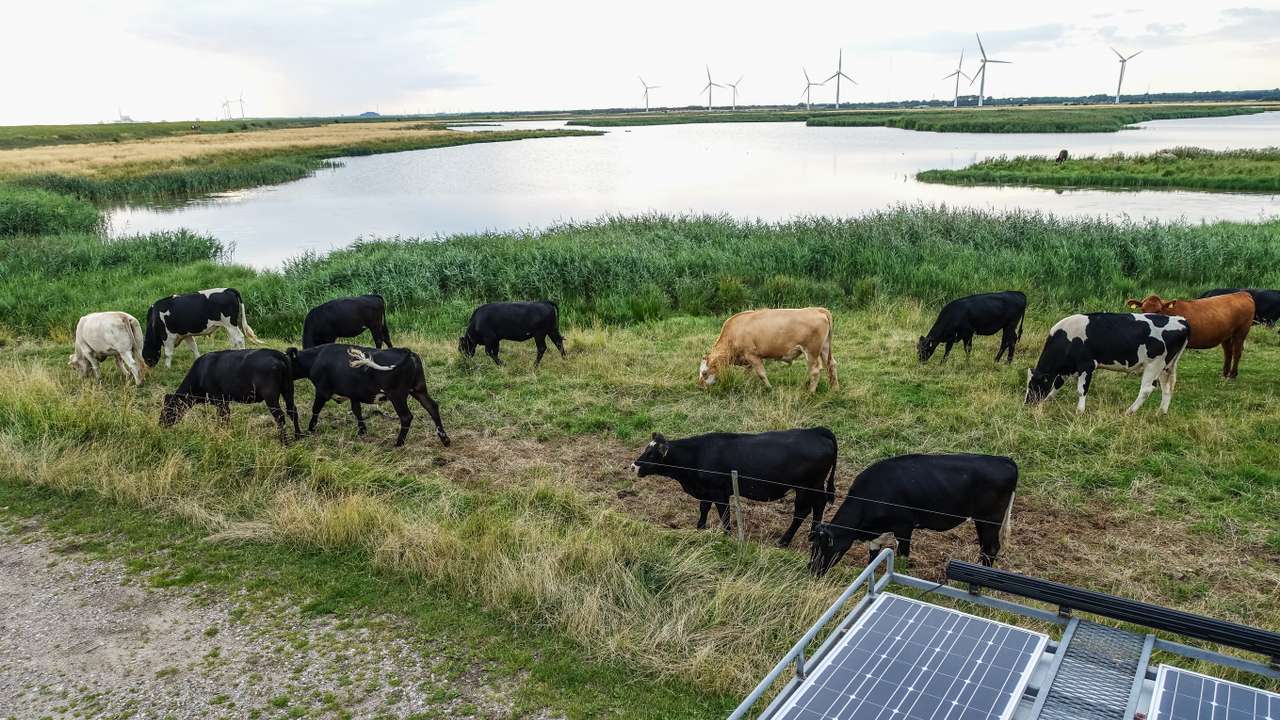
Nigeria plans to import dairy cattle from Denmark in a new push to reduce the country’s heavy dependence on milk imports, which cost around $1.5 billion every year.
The move is part of a wider strategy to improve local milk production and ease pressure on the economy.
According to Livestock Development Minister Idi Maiha, Nigeria aims to double its milk production from 700,000 tonnes to 1.4 million tonnes annually within the next five years.
The goal is to close the wide gap between how much milk the country consumes and what it produces.
Nigeria currently produces less than half the 1.6 million tonnes of milk it consumes each year, forcing it to rely on imports to meet demand.
RECOMMENDED FOR YOU
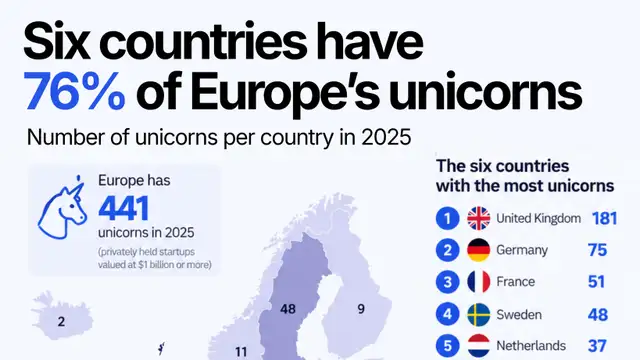
Six countries account for three-quarters of Europe’s unicorn startups
This has placed a burden on foreign exchange reserves and slowed the growth of local dairy businesses.
Although Nigeria has more than 20 million cattle, most are low-yield breeds managed by pastoralist communities.
Minister Maiha said a Nigerian farm has already begun importing high-yielding dairy cows from Denmark and is expanding its herd through structured breeding practices.
He added that the government has introduced eight new types of pasture for the first time in nearly five decades.
A new national plan for animal genetics is also being implemented with support from the UN’s Food and Agriculture Organisation.
Officials believe building a stronger local dairy industry will help stabilise food prices and improve nutrition while strengthening the naira, which has shown signs of improvement on the foreign exchange market in recent months.
By focusing on breeding better cattle, improving grazing land, and investing in local farms, authorities say Nigeria can move from a heavy milk importer to a self-reliant producer in the near future.