Historic Alexandria tramway prepares to shut ahead of contested overhaul
By Mariam Rizk and Mohamed Ezz
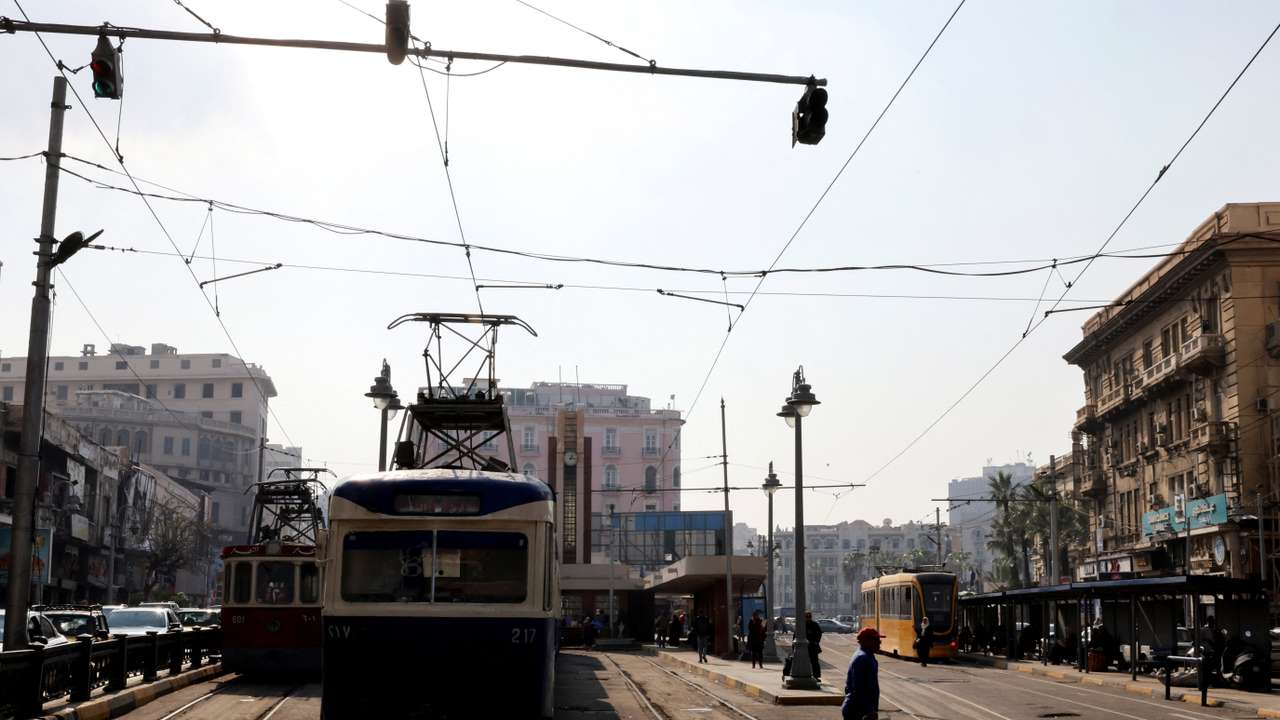
As the blue-and-white tram carriages rattle into a large square in the heart of Alexandria, doors creak open to a crush of passengers, many of whom can recite every stop by heart.
But the clatter of single and double-deck trams along this century-and-a-half-old line – a source of civic pride and transport alike for tens of thousands of daily commuters in Egypt's second city – is soon to be stopped.
Next week, authorities are starting a sweeping renovation aimed at replacing the nearly 14-kilometer (9-mile) line's worn but beloved trams with a digitally controlled light rail system, one of the latest projects in a broader push to revamp Egypt’s road and rail networks under President Abdel Fattah al-Sisi.
RECOMMENDED FOR YOU

Six countries account for three-quarters of Europe’s unicorn startups
The National Authority for Tunnels says the renovations should roughly double current speed, cutting end-to-end travel time along a similar route by over half an hour, and boost passenger capacity.
While some commuters welcome the renovation plan, others worry that construction could ensnarl narrow streets, that ticket prices could jump, or that works, planned over two years, might have to be extended.
Some are mourning the loss of one of the Mediterranean city's most treasured features.
"It's not just a means of transport," said Fatma Hussein, 63, a retired agricultural engineer who has ridden the tram since her school days. "It's our memories ... our history. You can develop it, but why stop it? Why deprive employees, students and the people who use it all the time?"
CLIMBING BETWEEN FLOORS
Launched in the 1860s, the Raml line is a rare holdout of double-decker trams. Wide carriage windows frame Alexandria’s tree-lined streets, dilapidated apartment blocks and historic villas.
With standard tickets costing just five Egyptian pounds (about $0.10), it also remains an affordable option for workers, students and pensioners amid rising living costs.
Alexandrian novelist Alaa Khaled, who grew up near the tramline, recalls how he used to make rides into a game with his father, climbing between the tram's floors to see the city from different angles.
RECOMMENDED FOR YOU

Burkina Faso to stop importing armoured vehicles, Traore says
"Even now, I still take the whole journey and gaze at the villas and trees as a window onto the history of the city, or just sit down and read," he said.
Architect and urban mobility specialist Yasmin Kandil said she worried that the light rail project, which includes elevating parts of the line to bypass intersections, will prioritise vehicles and speed while distorting the city's aesthetics.
CONGESTION CONCERN
Residents' concerns have been fuelled by the recent suspension of the local Abu Qir rail line for conversion into a metro line, which commuters say worsened congestion and left travellers scrambling for alternatives.
Authorities say they will deploy replacement buses during the construction of the light rail to limit disruption. The National Authority for Tunnels, which manages the tram and its renovation, did not respond to a Reuters request for comment.
The European Investment Bank is providing 138 million euros ($165 million) for the project and lists the total cost at about 592 million euros ($708 million). France’s development agency is also providing financing.
Alexandria has another tram line, the City Line, which has newer trams and has yet to be slated for renovations.
But the loss of the Raml line will be "painful", said 52-year-old tram driver Mahmoud Ramadan, who has worked on the tram network since 1997 and said he met his wife on the job.
RECOMMENDED FOR YOU

Sheinbaum pushes back at Trump and rejects any interference in Mexico
"Not everyone will understand," he said. "It's your home and your life for 30 years.”
This article was produced by Reuters news agency. It has not been edited by Global South World.