How US tariffs could undermine Zimbabwe’s 12 trade deals with Iran
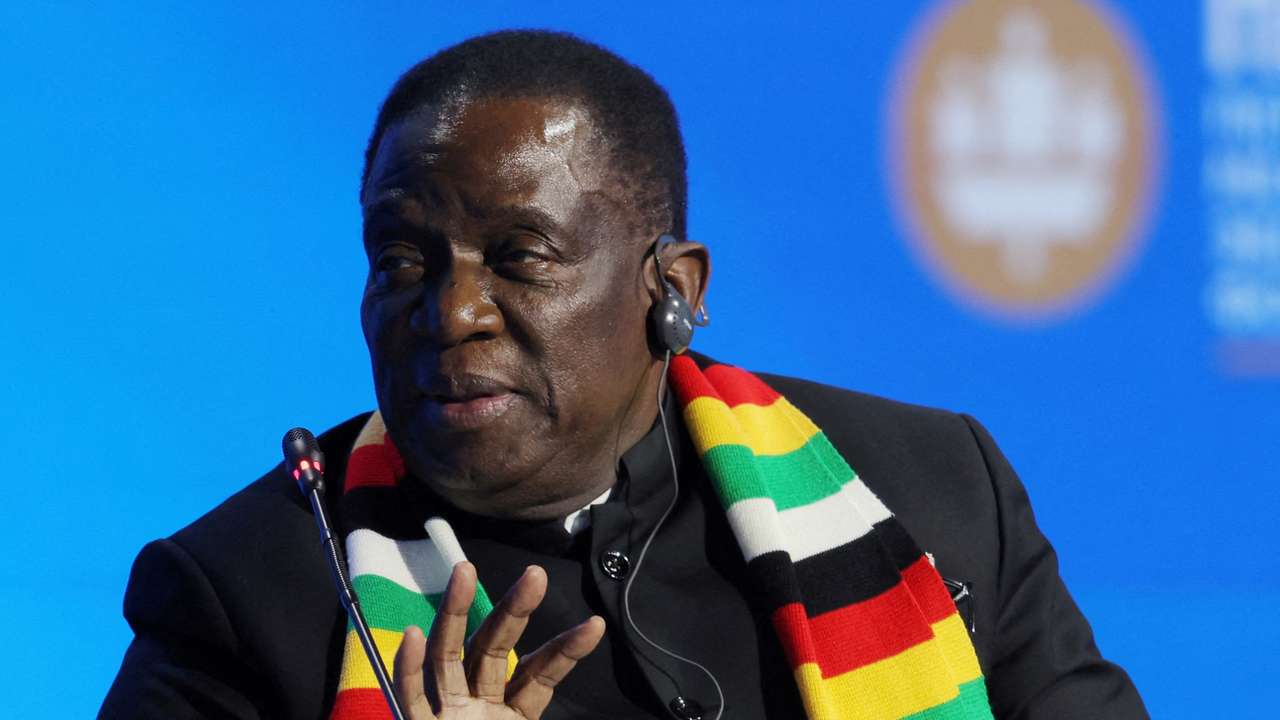
Zimbabwe’s plans to expand trade with Iran may face serious setbacks after the United States announced a 25% tariff on countries that do business with Tehran.
President Donald Trump said the tariff would apply “to any country doing business with the Islamic Republic of Iran,” aiming to pressure Tehran over its government’s violent response to nationwide protests.
The policy would impose a heavy tax on imports from nations with active trade ties to Iran, although the US government has not formally published the full details and legal framework of the measure.
Zimbabwe has signed 12 memoranda of understanding (MoUs) with Iran covering key sectors such as agriculture, mining, pharmaceuticals, and tourism, and officials had hoped to boost bilateral trade substantially, from around US$30 million to US$500 million, through joint ventures and investment partnerships.
“The 25% tariff essentially acts as a massive transaction tax on any country maintaining these ties,” a Zimbabwean trade expert told the Zimbabwe Independent, warning that deals signed in late 2023 are now at risk.
RECOMMENDED FOR YOU
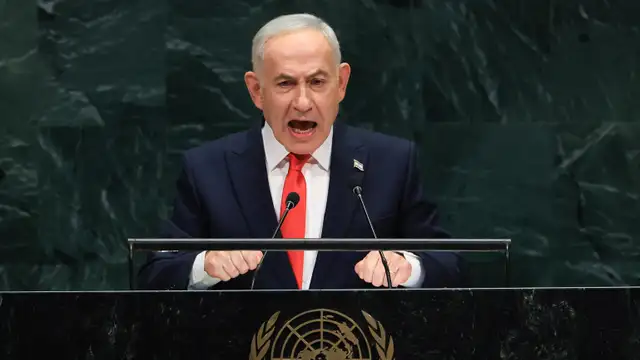
‘Iran could destroy us’ - Netanyahu warns of nuclear threat ahead of Israel election
For Zimbabwean companies, the tariff poses a new and difficult economic choice as to whether to continue pursuing trade goals with Iran and face higher costs imposed by the United States, or scale back ties to avoid potentially losing competitiveness in the US and global markets.
Under the new rules, any country trading with Tehran could see its goods face higher duties when entering the US market, even where those countries have limited or regional trade volumes with Iran.
This story is written and edited by the Global South World team, you can contact us here.