In Ghana, Sahel jihadis find refuge and supplies, sources say
By David Lewis and Maxwell Akalaare Adombila
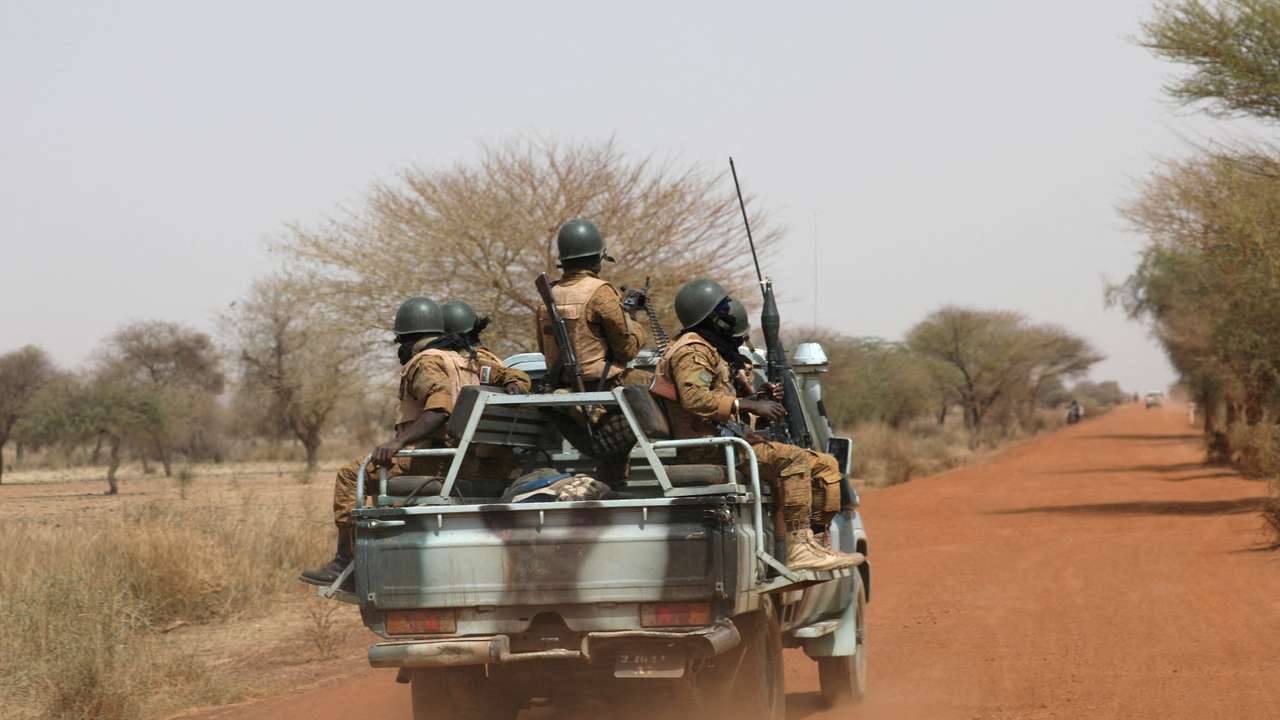
Islamist militants fighting in Burkina Faso are discreetly using Ghana's north as a logistical and medical rear base to sustain their insurgency, seven sources told Reuters, a move that could help them expand their footprint in West Africa.
The sources, who include Ghanaian security officials and regional diplomats, said Ghanaian authorities appeared to be mostly turning a blind eye to the insurgents crossing over from neighbouring Burkina Faso to stock up on food, fuel and even explosives, as well as getting injured fighters treated in hospital.
But they said that approach, while so far sparing Ghana from the kind of deadly Islamist attacks that have plagued its neighbours, risks allowing militants to put down roots in the country and recruit in some marginalised local communities.
RECOMMENDED FOR YOU
Six countries account for three-quarters of Europe’s unicorn startups
Ghana shares a 600 km (372 mile) border with Burkina Faso, the country at the heart of an insurgency that has killed thousands, displaced millions and, according to some experts, turned the Sahel region into the epicentre of global terrorism as factions loyal to al Qaeda and Islamic State expand their presence.
Burkina Faso has lost control of over half its territory as a pro-al Qaeda group known as JNIM gained ground. A JNIM leader this week told French broadcaster RFI that it was aiming to push into Ghana, Togo and Benin.
Unlike Benin and Togo, Ghana has not suffered a major attack.
Boniface Gambila Adagbila, Ghana's ambassador to Burkina Faso, told Reuters the militants were taking advantage of porous borders and saw Ghana as a "safe haven", but denied suggestions that the authorities had de-facto struck a non-aggression pact with the jihadists. He said Ghana was working with Burkina Faso to "flush them out".
AVOIDING DISTURBANCE TO SUPPLY LINES
Ghana, which holds elections on Dec. 7, is seen as a strong democracy and has a close relationship with Western nations, especially the UK and the U.S., which regularly praise it for its role in promoting peace and security in the region.
"The absence of real attacks on Ghanaian soil seems to result from JNIM’s calculus of not disturbing supply lines and places of rest as well as not provoking a relatively strong army," Clingendael, the Netherlands Institute of International Relations, said in a report.
The organisation said Ghana was tackling the threat in a number of ways, including joint operations with neighbours.
RECOMMENDED FOR YOU
Burkina Faso to stop importing armoured vehicles, Traore says
"Yet, to avoid escalation it also appears to have accepted de facto non-aggression with JNIM," Clingendael said, citing high-ranking government sources, who said that disrupting the supply networks risked provoking violence.
A senior Ghanaian security official told Reuters that militants do use Ghana as a rear base for launching attacks elsewhere and also seeking medical treatment.
However, the official, who asked not to be named due to the sensitivity of the issue, said they were monitored and sometimes used as informants. There were also cases of militants being handed over to Burkinabe authorities.
"We've arrested a lot of terrorists in the past and handed them over to Burkina," the official said, adding that Accra preferred to handle the cases discretely.
Ghana's Information Ministry declined to comment.
When they first emerged in West Africa 20 years ago, Islamist militants, mainly then from Algeria, operated in northern Mali and the government at the time adopted an informal non-aggression pact: Bamako helped negotiate freedom for Westerners kidnapped by the militants who, in return, did not carry out attacks in Mali.
As violence spread following a jihadi offensive in Mali in 2012, officials in Burkina Faso and Niger tried, at various times, similar arrangements. They all collapsed as the insurgency gained strength or governments fell.
Anger at heavy losses in clashes with militants has triggered coups in all three countries since 2020. Juntas that seized power have all expelled Western military support and turned to Russia for help instead.
RECOMMENDED FOR YOU
Sheinbaum rings historic bell as thousands fill Zocalo for Mexican Independence Day
Western nations have since refocused resources on efforts to shore up the northern regions of Benin, Togo, Ghana and Ivory Coast, which border the Sahel.
ACTIVE IN GHANA
Ghana is a centrepiece of that pivot to the coast.
When asked why the militants had so far refrained from attacking Ghanaian targets, the Ghanaian official said: "You won't destroy where you sleep, would you?"
Clingendael said that of the 40 incidents recorded in Ghana since 2015 that were suspected of being linked to violent extremist groups, only two involved actual violence. The rest involved forces moving through territory, trying to recruit fighters, picking up supplies or seeking refuge.
“Violent extremists are indeed active in Ghana,” it said.
Arms experts have, in the recent years, traced explosive charges and detonator cords used in bombs targeting U.N. and government troops in Mali back to mining operations in Ghana, according to a U.N. report seen by Reuters.
Aaron Atimpe, a researcher on preventing violent extremism, said militants crossing into Ghana were recruiting among local communities. "It is not just an area where they can rest and get supplies. In the process people are being radicalised and recruited."
RECOMMENDED FOR YOU
Sovereignty dominates biggest ever BRICS summit in India
This article was produced by Reuters news agency. It has not been edited by Global South World.