Iran map sheds light on ethnic group distribution across provinces
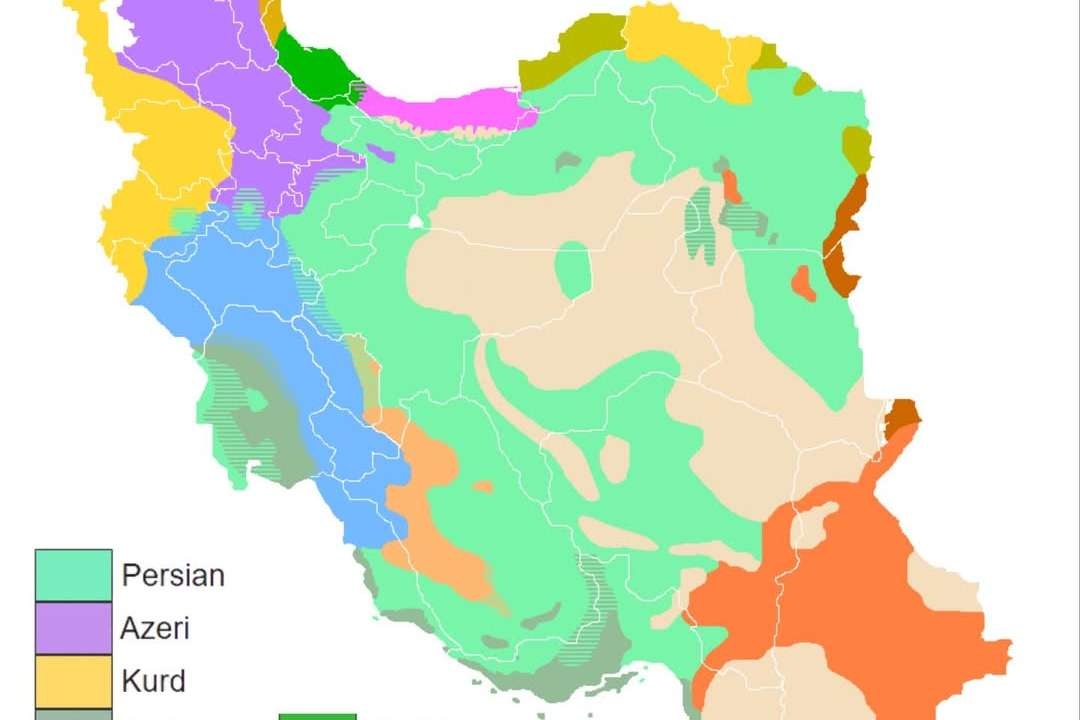
From the Caspian Sea in the north to the deserts and Gulf of Oman in the south, Iran is home to a multitude of ethnic communities whose histories and traditions have shaped the country’s identity for centuries.
From the Caspian Sea in the north to the deserts and Gulf of Oman in the south, Iran is home to a multitude of ethnic communities whose histories and traditions have shaped the country’s identity for centuries.
Dominating much of central and southern Iran is the Persian population, the country’s largest ethnic group. They form the backbone of Iran’s cultural and political life, and Persian (Farsi) is the official language used across government, media and education. Persians are estimated to make up around 60 per cent of the country’s population.
In the northwest, the above map shows a significant presence of Turkic-speaking groups, led by the Azeris, Iran’s second-largest ethnicity. Azeris share linguistic and cultural roots with wider Turkic communities and are concentrated in provinces such as East and West Azerbaijan.
Other Turkic tribes, including the Qashqai, who traditionally practised nomadic pastoralism in southwestern Iran, and smaller Turkmen populations in the northeast, also feature prominently.
RECOMMENDED FOR YOU
‘Trust in the UN has vanished’ - Araghchi sets out Iran’s priorities
The western provinces are marked by the Kurdish ethnic group, known for their distinct language and cultural traditions and centred around the mountainous regions near Iraq and Turkey. Kurds make up an estimated 10% of the population.
South of the Kurds live the Lurs, a group of related tribes with their own language and cultural heritage, spread across the Zagros Mountains.
In the southeast, the Baloch community reflects Iran’s historical and cultural links with neighbouring Pakistan.
Iran’s Caspian coast hosts unique Iranian ethnicities like the Gilaki and Mazanderani, both with deep historical roots in the lush northern provinces. These groups speak distinct languages and contribute to the region’s rich musical, culinary and social traditions.
Along the Caspian’s western shore, the Talysh people maintain their own linguistic heritage, blending Iranian cultural influences with their own distinct identity.
Smaller pockets of Arab communities are visible in the map’s southwestern reaches near the Gulf, remnants of centuries of trade and migration. Other minorities include Armenians, Assyrians and Afro-Iranian populations.
This story is written and edited by the Global South World team, you can contact us here.