'It was like doomsday,' says Kabul hospital survivor after Pakistan air strike
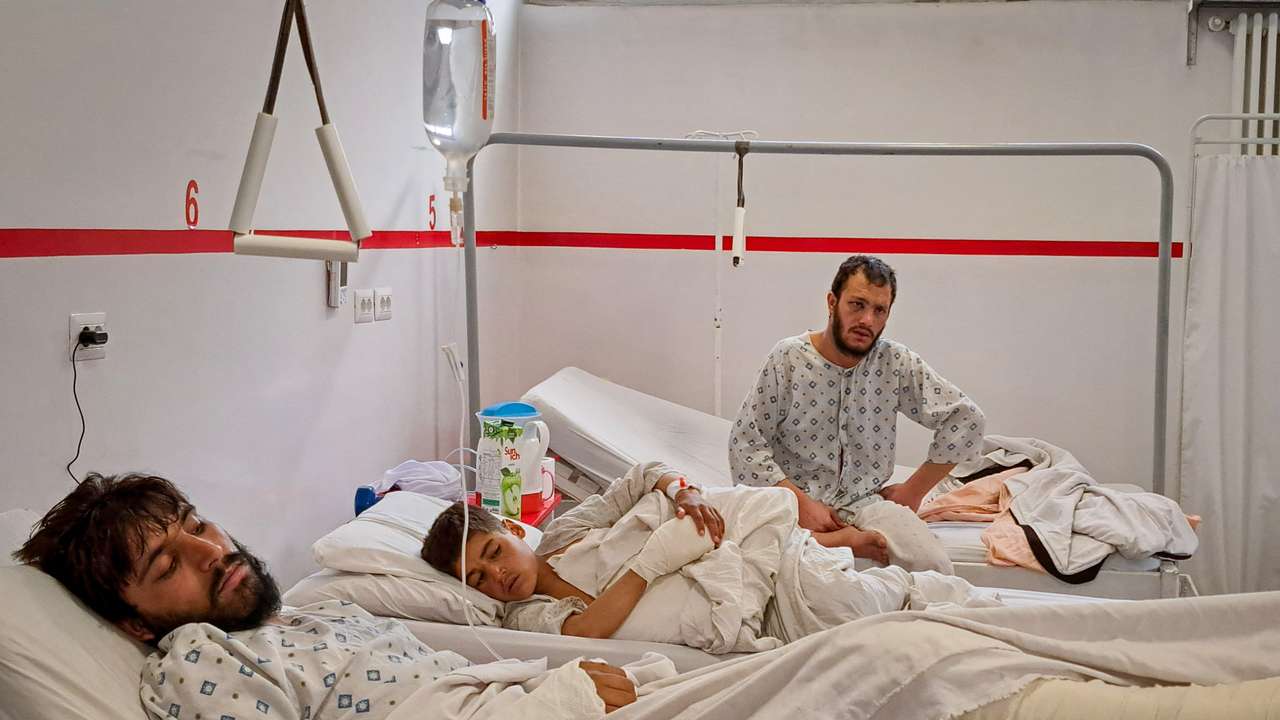
By Mohammad Yunus Yawar
Ahmad, 50, watched flames engulf his friends at a drug rehabilitation centre in Kabul where he was undergoing treatment, unable to save them as they cried for help after a Pakistani air strike, leaving a scene he said resembled "doomsday".
The Afghan Taliban government says at least 400 people were killed and 250 injured in the Monday night attack, but Islamabad denied having targeted any such facility, saying it had struck military installations and "terrorist support infrastructure".
The strike is the latest in a bitter conflict between the two Islamic nations that has flared during the holy month of Ramadan.
RECOMMENDED FOR YOU

Six countries account for three-quarters of Europe’s unicorn startups
Ahmad, who also volunteered as a guard at the hospital and gave only one name, said he and his 25 roommates had gathered in their dormitory after prayers when the attack occurred. He was the only survivor among them.
"The whole place caught fire. It was like doomsday," he said.
Mohammad Mian, who works in the radiology department of the hospital, said many young people under treatment lived in large containers on the campus and very few survived the strike.
"It was extremely terrifying," he said. "Those who survived were the ones whose rooms were not destroyed and were fortunate. But the places where the bombs were dropped, everyone there was killed."
BLACKENED WALLS, BODIES BENEATH THE RUBBLE
When Reuters visited the site on Tuesday, the blackened walls on a single-storey building served as evidence of the fires that had raged inside only hours ago.
In other places, structures were reduced to piles of brick, metal, and wood, with personal belongings of patients, including pillows, shoes, and items of clothing, left scattered among the debris.
In Ahmad's dormitory, some bunk beds still stood intact against a wall, their bedding undisturbed as the room, with the ceiling thrown off, lay open to the blue sky.
RECOMMENDED FOR YOU
Olympic flame arrives on African soil for first time as Senegal begins Dakar 2026 countdown
Dr Ahmad Wali Yousafzai, a health officer at the hospital, which he said housed some 2,000 patients at the time of the strike, recalled three explosions whose blasts he said hurled some of his colleagues from one wall to another.
As fires erupted, there were screams and cries for help "from all directions", he said.
"We were too few in number to save all of them," he added.
Ambulance driver Haji Fahim was among those who transported bodies to the Afghan-Japan hospital close by, moving at least eight bodies over five hours.
"Now we have come again ... there are still bodies under the rubble," he said on Tuesday.
This article was produced by Reuters news agency. It has not been edited by Global South World.