Japan's economy contracts sharply, posing challenges for monetary policy

Japan's economy witnessed its steepest contraction since the height of the pandemic, raising complexities for the Bank of Japan (BOJ) amid growing speculation about the potential end of the world's last negative rate regime.
According to revised figures from the Cabinet Office, gross domestic product (GDP) contracted at an annualized 2.9% in the three months through September, marking the deepest drop since spring 2020.
The updated figure, worse than the preliminary reading of minus 2.1%, indicates a loss of momentum in Japan's economic recovery from the pandemic during the summer.
RECOMMENDED FOR YOU
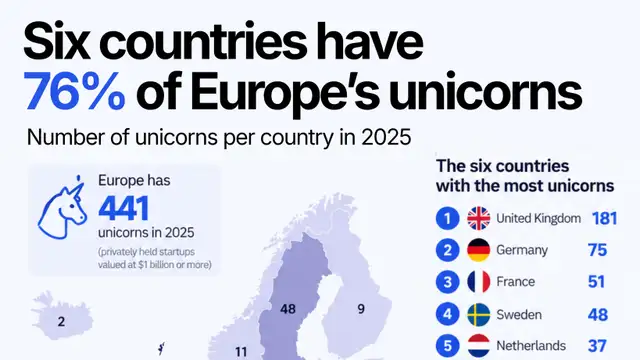
Six countries account for three-quarters of Europe’s unicorn startups
The outlook remains uncertain as overseas economies slow down, and persistent inflation weighs on domestic consumption.
Household spending fell 2.5% in October from a year earlier, extending an eighth consecutive monthly drop, while nominal wage gains of 1.5% left pay increases trailing behind inflation.
The weak GDP readings complicate the decision-making for the BOJ, which is considering potential shifts in its monetary policy.
Market speculation about the BOJ scrapping its negative interest rate has intensified, driven by remarks from central bank officials.
RECOMMENDED FOR YOU

Ugandan queen mother claims house arrest amid Tooro succession dispute
Japanese bond yields surged, and the yen strengthened against the dollar, suggesting anticipation of possible BOJ action.
Prime Minister Fumio Kishida faces challenges amid record-low poll ratings, a fundraising scandal, and criticism over measures to tackle inflation.
The weak GDP figures and ongoing consumer spending challenges present additional hurdles for Kishida's administration.
Economists suggest that the BOJ might act in early 2024, with April considered the most likely timing for a policy adjustment.
RECOMMENDED FOR YOU
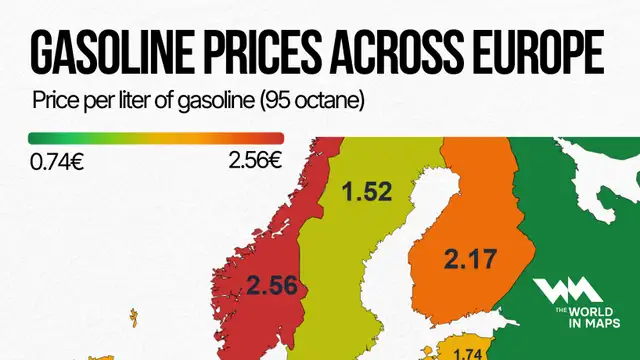
Norway has Europe’s highest petrol prices, Russia and Belarus remain cheapest
The outcome of Japan's economic indicators, combined with market speculation, leaves uncertainty about the BOJ's policy direction.
The central bank's decision, expected after its meeting on December 19, could impact the country's economic recovery efforts and add political pressure on Prime Minister Kishida.
