Kenya plans to repay Chinese loans in yuan as a strategy to ease debt pressure

Kenya is advancing negotiations with China’s Export-Import Bank to restructure part of its dollar-denominated debt into yuan, a move described by analysts as a “win-win” for both nations.
The plan centres on debts accrued for the Standard Gauge Railway (SGR), a $5 billion infrastructure project linking Mombasa, Nairobi, and Naivasha.
Treasury Secretary John Mbadi confirmed the talks are well advanced, noting the shift promises substantial savings.
“The moment we move from the US dollar to the renminbi, automatically, the interest rate reduces by almost half,” He added. “To us, that is a big saving.
Kenya spends about $1 billion annually servicing loans to China, roughly one-quarter of its external debt repayments for the fiscal year ending June 2025.
RECOMMENDED FOR YOU
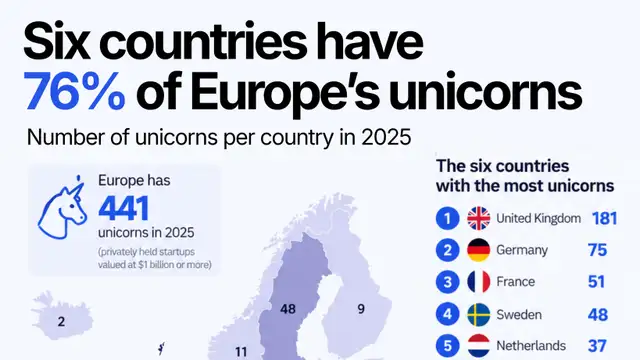
Six countries account for three-quarters of Europe’s unicorn startups
As of March, the country’s total external debt stood at approximately $40.5 billion, of which $5.04 billion is owed to China, while the World Bank accounts for $14.4 billion and eurobond investors $7.52 billion.
Beijing has not officially commented on the negotiations, but has expressed willingness to continue supporting practical cooperation with Kenya and other African nations
Analysts see the proposed restructuring as potentially transformative. It would lower servicing costs in the short term and help conserve Kenya’s dwindling foreign reserves while also supporting China’s broader push to elevate outward global use of the yuan.
If successful, the interest rate on these loans, currently at 6.37 per cent for their dollar form could be reduced by about half.
This story is written and edited by the Global South World team, you can contact us here.