Lebanon Roundup: Ceasefire push ahead of Israel talks, Rubio joins Washington meeting, Beirut bans non-state weapons
Lebanon seeks pause in fighting ahead of Israel talks
Lebanese officials have signalled openness to a pause in military activity—if not a full ceasefire—ahead of planned talks with Israel. The initiative reflects growing pressure to contain escalating violence along the border, as diplomatic efforts intensify. Authorities stressed that halting hostilities could create conditions for meaningful negotiations, although divisions remain internally over how to approach Israel. The talks are seen as a rare opportunity to de-escalate a conflict that has rapidly worsened in recent weeks. However, the absence of consensus within Lebanon complicates the government’s position. The outcome will likely depend on both regional dynamics and international mediation efforts.
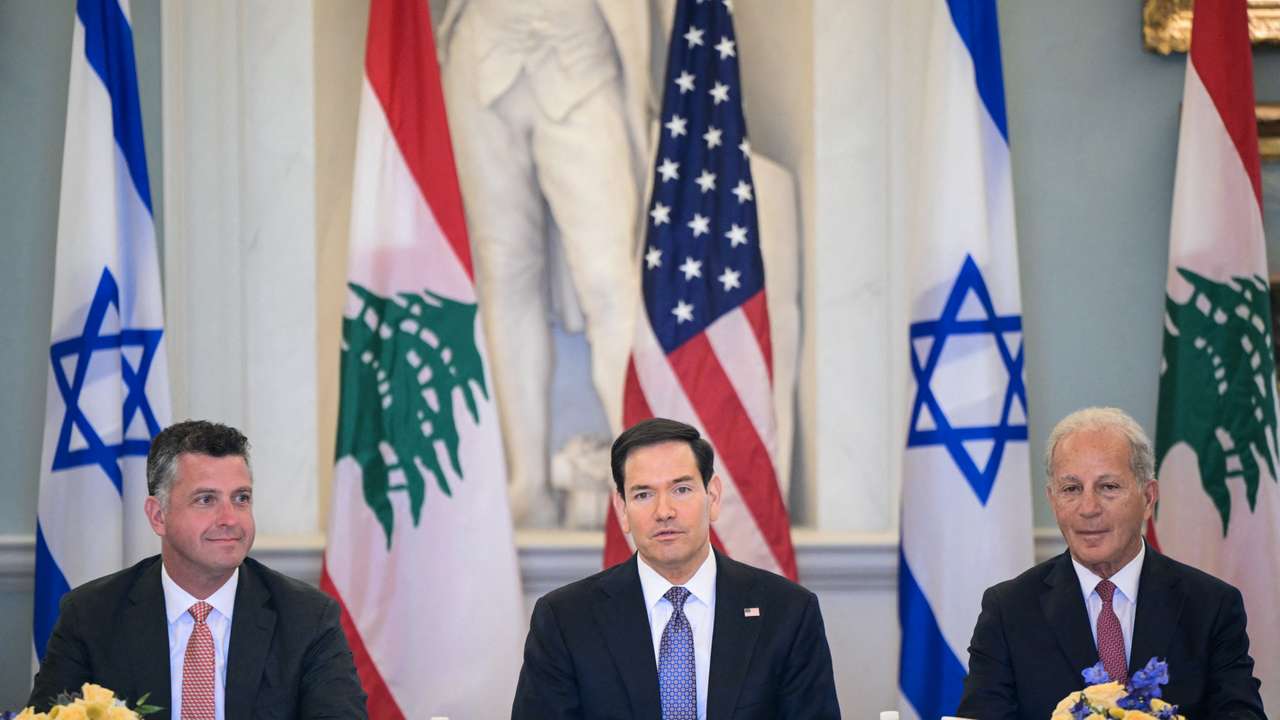
Marco Rubio to join historic Lebanon–Israel talks
Senior US officials, including Marco Rubio, are set to participate in high-level talks between Lebanon and Israel in Washington. The meeting marks the first direct engagement between the two sides in decades, underscoring the urgency of the crisis. According to reports, discussions will focus on securing a ceasefire and addressing broader security concerns, particularly the role of armed groups. Washington’s involvement highlights the international dimension of the conflict and efforts to broker stability. However, expectations remain cautious given entrenched positions on both sides. The talks come amid ongoing violence and humanitarian concerns.
Government bans non-state weapons in Beirut
The Lebanese government has moved to ban the presence of non-state weapons in Beirut, reinforcing its authority over security matters. The decision forms part of broader efforts to assert state control and limit the influence of armed groups such as Hezbollah. Officials emphasised that all military activity must fall under state institutions, signalling a significant policy shift. The measure follows escalating tensions and internal criticism over the role of militias in dragging Lebanon into conflict. Analysts warn that enforcing the ban could prove challenging given Hezbollah’s entrenched position. Nonetheless, the move reflects increasing pressure for centralised control
Civilian toll mounts as Israeli airstrikes continue
The number of casualties in Lebanon has surpassed 1,900 as Israeli airstrikes continue across the country, according to media reports. The bombardment has caused widespread destruction in urban and rural areas, displacing large numbers of civilians. Hospitals and emergency services are under severe strain as they respond to the growing humanitarian crisis. The escalation follows renewed hostilities linked to the broader regional conflict involving Iran and allied groups. International actors have raised concerns over the scale of the violence and its impact on civilians. Despite diplomatic efforts, there are few signs of an immediate de-escalation.
RECOMMENDED FOR YOU

Iran's Pezeshkian urges BRICS to turn economic weight into real projects
Hezbollah tensions rise amid protests and army warnings
Tensions within Lebanon are intensifying as Hezbollah faces growing opposition and protests. Demonstrations have erupted against the group’s actions, which many blame for drawing the country deeper into conflict. In response, the Lebanese army has warned it may intervene firmly to maintain order and uphold state authority. The standoff highlights deep divisions within Lebanese society over Hezbollah’s role and influence. Political leaders are increasingly under pressure to balance internal stability with external threats. The situation remains volatile as both political and security tensions continue to escalate.
This story is written and edited by the Global South World team, you can contact us here.