LIVE: Polls close, PM Abiy's party expected to rule Ethiopia a third time
Key Takeaways
- Tigray and other conflict-hit areas are largely excluded from the election.
- Prime Minister Abiy Ahmed is expected to remain in power.
- Critics say democratic freedoms and press freedom have declined.
- Violence in Amhara and Oromia continues to threaten stability.
- Growing tensions in Tigray and with Eritrea raise fears of renewed conflict.
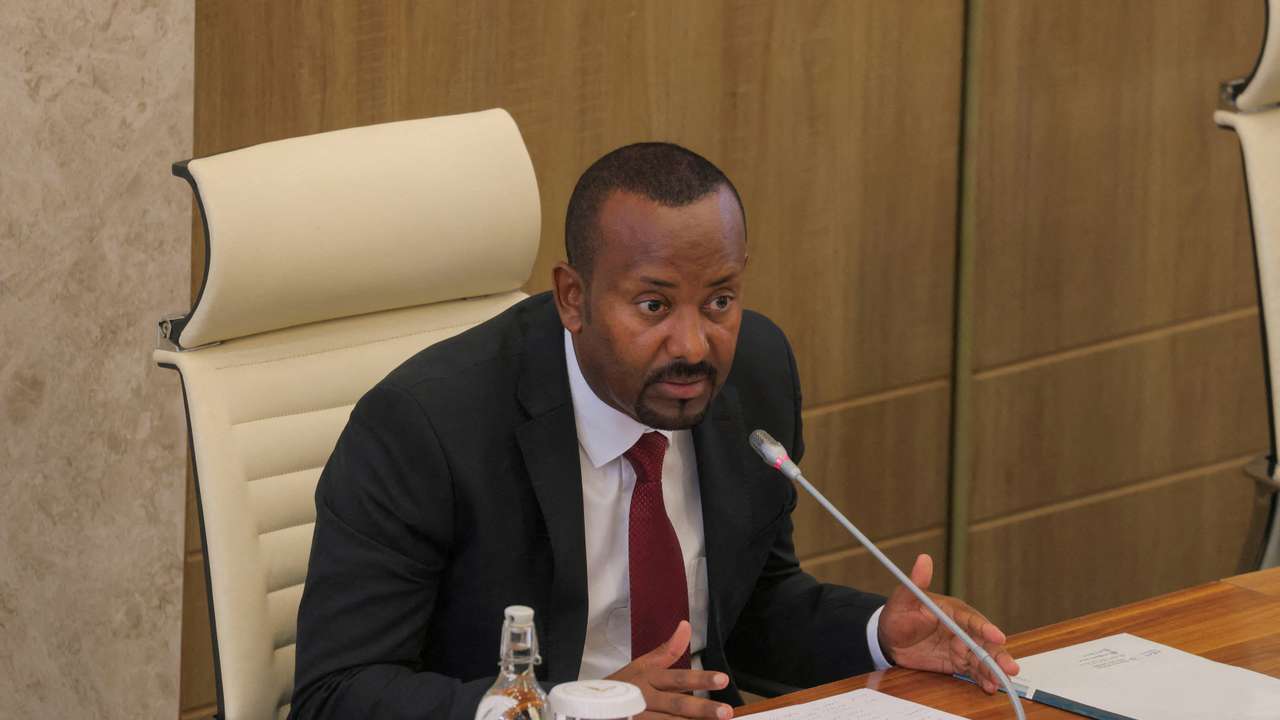
Ethiopia's seventh general election since the fall of military rule in 1991 is underway, with millions of voters heading to the polls as parts of the country remain engulfed in conflict and political uncertainty.
LIVE UPDATES
This concludes our live coverage of Ethiopia's 2026 general election. Stay with Global South World for more updates and information on the results and other interesting developments.
20:20 GMT: Private candidate Abraham Tilahun expresses "irregularities" on the digitally registered voting options.
17:00 GMT: misunderstandings erupt over voting delays
16:30 GMT: 'Ballot stronger than bullet': Ethiopian president votes
RECOMMENDED FOR YOU

Ugandan queen mother claims house arrest amid Tooro succession dispute
Speaking after casting his vote, Taye addressed concerns and criticism surrounding the election, emphasising that the occasion held a significance that extended beyond the political contest itself. “I’m very much excited. I know there are so many detractors out there. There's nothing new about it. It has been the case all over the world,” Taye said.
14:28 GMT: A contending party, the Gogot Party, alleges that its election observers have been beaten and forced to leave the election grounds in central Ethiopia's Welkite.

11:30 GMT: Prime Minister Abiy Ahmed casts his votes
8:50 GMT: Voters continue to queue to cast their ballots at the Beshale Katla polling station in Addis Ababa on June 1, 2026, during Ethiopia’s 2026 parliamentary elections.
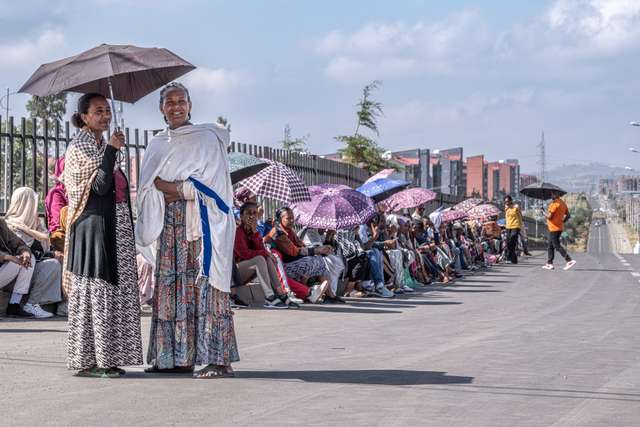
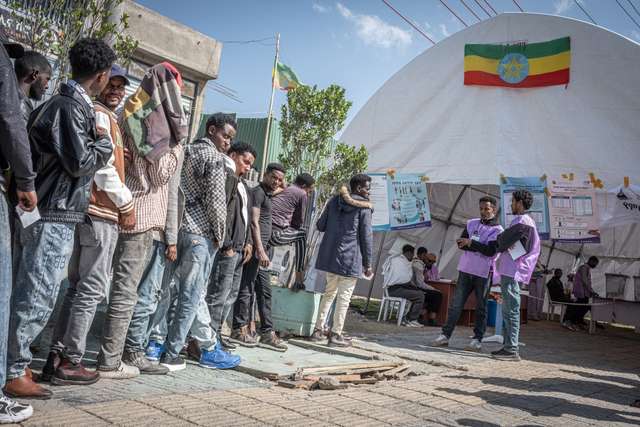
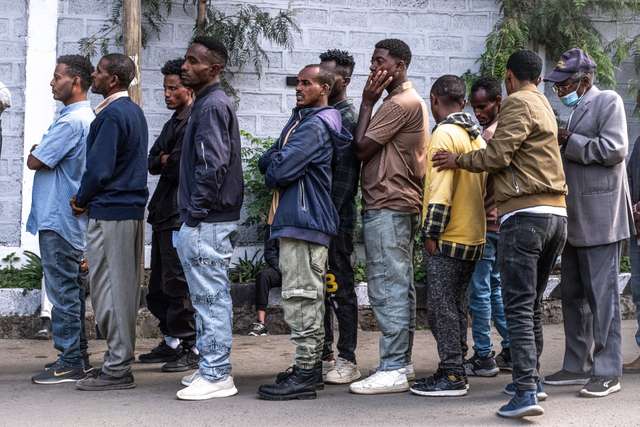
8:30 GMT: AU election observer, Uhuru Kenyatta, notes slow election participation from Ethiopians.
8:15 GMT: Temesgen Tiruneh, Aspirant for the Office of Prime Minister, votes. He cast his vote alongside Amhara Regional Administration President Arega Kebede and Amhara Prosperity Party Office Head Yirga Sisay at the Hidase Election Station in Bahir Dar City this morning.
Millions remain unable to vote
Voting has begun across much of Ethiopia, but significant portions of the population have been excluded from the electoral process due to ongoing insecurity.
Most notably, the entire northern region of Tigray, home to an estimated six million people, has been left out of the election. The region is still recovering from a devastating two-year civil war that ended in 2022 and remains embroiled in political disputes with the federal government.
RECOMMENDED FOR YOU

100 years after Fidel Castro’s birth, what became of his revolution?
Authorities have also cancelled voting in some constituencies affected by violence in the Amhara and Oromia regions.
Abiy Ahmed seeks another mandate
Prime Minister Abiy Ahmed's Prosperity Party is widely expected to emerge victorious, continuing its hold on power after a landslide win in the previous election.
Although Ethiopians vote for members of parliament rather than directly electing a prime minister, the party that secures a parliamentary majority will form the next government.
Abiy rose to power in 2018 amid widespread anti-government protests and was initially celebrated for political reforms, the release of jailed journalists and opposition figures, and efforts to make peace with neighbouring Eritrea, achievements that earned him the 2019 Nobel Peace Prize.
Key opposition parties and coalitions
Apart from Prime Minister Abiy Ahmed and his ruling Prosperity Party, Ethiopia's 2026 election features a fragmented opposition landscape with several parties and coalitions competing for parliamentary seats. Analysts widely expect the opposition to struggle against the ruling party due to organisational weaknesses, security challenges, and political restrictions
Coalition for Ethiopian Unity (CEU)
A newly formed opposition alliance launched in 2025, the coalition brings together several parties, including the Ethiopian People's Revolutionary Party (EPRP), Enat Party, All Ethiopian Unity Organisation, One Ethiopia Democratic Party, and Amhara Gionawi Movement Party. The coalition says it is contesting the election on a platform of national unity, democratic reforms, and improved governance.
Oromo Federalist Congress (OFC)
One of Ethiopia's best-known opposition parties, the OFC advocates greater federalism and regional autonomy, particularly for the Oromo people. Veteran opposition figure Merera Gudina has criticized the election environment, arguing that political conditions are not conducive to a genuinely competitive contest.
National Movement of Amhara (NaMA)
NaMA draws much of its support from the Amhara region and focuses on Amhara political interests, federalism, and security concerns. It emerged as one of the more prominent opposition parties following the 2021 election and remains one of the few opposition groups with parliamentary representation.
RECOMMENDED FOR YOU

Russia signs BRICS Pay and technology deals in New Delhi
Ethiopian Citizens for Social Justice (EZEMA)
Led by prominent politician Berhanu Nega, EZEMA presents itself as a national, non-ethnic political movement advocating democratic reforms, economic development, and institutional strengthening. The party has held seats in parliament and remains a recognisable opposition force.
Other registered national parties
Several additional parties are contesting the election, including the Oromo Liberation Front, Oromo Liberation Movement, Ethiopian People Revolutionary Party, Ethiopian Freedom Party, and All Ethiopian Unity Party, among dozens of others registered by the electoral board.
Ethiopia operates a parliamentary system, meaning citizens do not directly elect the prime minister. Instead, voters elect members of parliament, and the party or coalition that wins a majority forms the government.
Key facts
Ethiopians cast ballots for candidates seeking seats in the House of Peoples' Representatives, the country's lower house of parliament.
- The parliament has 547 seats.
- Candidates can run on behalf of political parties or as independents.
- Elections are held every five years.
- To govern, a party must win at least 274 seats, which is more than half of the parliament.
- The majority party or coalition forms the government.
- The leader of that party typically becomes the prime minister.
- Ethiopia uses a first-past-the-post electoral system.
- The country is divided into constituencies.
- Each constituency elects one representative.
- The candidate with the most votes wins the seat, even without an absolute majority.
- The election is administered by the National Election Board of Ethiopia (NEBE), an independent body.
- Votes are counted at the constituency level.
- Preliminary results are released after voting ends.
- Final results are certified by the election board.
As more than 50 million Ethiopians are expected to vote in the 2026 election, Global South World will continue to provide updates as voting progresses and results begin to emerge.
This story is written and edited by the Global South World team, you can contact us here.