Mexico Roundup: Truckers demand Sheinbaum talks, US operations proposal rejected and trade deal remains unfinished
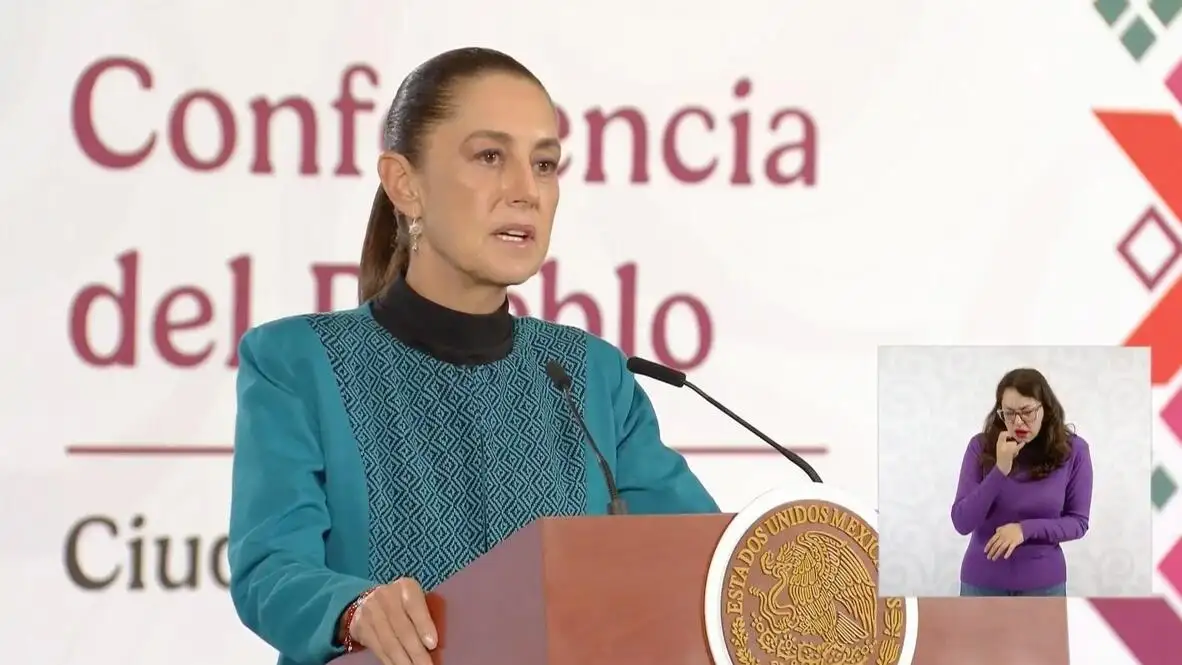
Freight transport groups demand direct talks with Sheinbaum after nationwide highway protests
Mexico's freight transport industry has demanded direct negotiations with President Claudia Sheinbaum after nationwide demonstrations disrupted highways and exposed growing frustration over cargo theft, extortion, operating costs and changes to tax incentives. The protests began on October 26, following a call for an indefinite national stoppage by the National Chamber of Freight Transport (CANACAR) and other trucking organisations. The participating groups included the Honourable Mexican Alliance of Transport Organisations (HAMOTAC), the Mexico-American Federation of Transporters (FEMATRAC) and INDECO. In a joint statement, the organisations demanded high-level talks with the president and agreements that would identify responsible government agencies, specific actions and deadlines. They explained that they had declined an earlier meeting convened by the Interior Ministry because other transport associations invited to the discussions were not participating in the strike. "Our decision does not represent a refusal to engage in dialogue." The organisations said previous commitments made by the Interior Ministry in February 2024 had failed to produce sufficient improvements. They argued that their grievances extended beyond taxation to persistent highway robberies, extortion, killings of drivers and deteriorating roads.
Government and transport industry open negotiations over toll tax relief
Mexico's Interior Ministry and representatives of the freight transport industry have agreed to negotiate fiscal measures affecting trucking companies after a proposed change to tax relief helped trigger the nationwide strike. The dispute centres on the government's 2027 revenue legislation, which would reduce the annual revenue threshold for companies eligible for a toll-road tax incentive from 300 million pesos to 250 million pesos. Under the existing incentive, eligible companies can credit up to 50% of certain toll-road expenses against their income tax liability. CANACAR president Augusto Ramos said the proposed change would place additional pressure on companies already facing high fuel costs, expensive tolls, highway insecurity and delays in recovering stolen vehicles. Sheinbaum defended the measure on October 26, saying the government was seeking to direct tax relief towards smaller transport operators rather than larger businesses. She said the change would not affect people operating one or two trucks and pointed to other existing incentives involving income tax and the special tax on production and services.
Sheinbaum rejects US proposal for joint anti-cartel operations on Mexican territory
President Claudia Sheinbaum has rejected renewed requests from the United States to conduct joint security operations inside Mexico, insisting that cooperation against organised crime must respect Mexican sovereignty and territorial integrity. Speaking at her daily news conference on October 26, Sheinbaum responded to a New York Times report that the administration of US President Donald Trump had presented a memorandum proposing expanded security cooperation, including arrangements that could allow American personnel to accompany operations against drug cartels in Mexico. Sheinbaum said she did not know about the specific memorandum described in the report. However, she confirmed that Washington had repeatedly requested a more direct operational role for US personnel. She said Mexico had consistently rejected those requests. "They have asked us several times for joint operations in our country, and we have always said no," Sheinbaum stressed that cooperation would continue, but Mexican authorities would retain responsibility for operations conducted on Mexican soil. "We coordinate, but without their participation in our territory." She said any American agency personnel present in Mexico must operate within the country's National Security Law and Constitution.
Mexico–US trade talks advance, but Sheinbaum says no final agreement has been reached
President Claudia Sheinbaum says Mexico and the United States are making progress in trade negotiations, but outstanding issues must be resolved before either government can announce a final agreement. Speaking on October 26, Sheinbaum said Economy Minister Marcelo Ebrard remained in close contact with the US Department of Commerce over unresolved trade matters. She acknowledged progress in the discussions but cautioned against treating the negotiations as completed. "We are still working; we have not reached an agreement." She added that the governments were close to resolving some outstanding issues, but further discussions were necessary. The negotiations are taking place against the backdrop of the review of the United States–Mexico–Canada Agreement (USMCA), known in Mexico as the T-MEC. Mexico is seeking relief from US tariffs affecting several important export industries, particularly automobiles, steel and aluminium. These sectors are central to Mexico's manufacturing economy and its commercial relationship with the United States. Higher tariffs increase costs for exporters and can affect investment decisions, employment and the competitiveness of products manufactured in Mexico. Sheinbaum has argued that the two countries should preserve their economic integration while resolving disagreements through negotiation.
RECOMMENDED FOR YOU

Indonesia drops 3.2 tonnes of dry ice to combat wildfire haze
This story is written and edited by the Global South World team, you can contact us here.