New Dutch government plans 'freedom tax' to fund defence spending
By Bart H. Meijer and Charlotte Van Campenhout
The incoming Dutch government plans to add a surcharge to income and corporate taxes to generate around 5 billion euros ($6 billion) per year for increased defence spending, coalition parties said on Friday.
To meet a target set by NATO countries last year, the government aims to increase defence spending to 2.8% of gross domestic product by 2030 and to 3.5% by 2035, compared with around 2% now.
Ultimately, the increase in defence spending would be around 19 billion euros per year, which would be funded by broad budget cuts, including in healthcare and welfare, as well as the tax increment the government has named a freedom tax.
RECOMMENDED FOR YOU
Six countries account for three-quarters of Europe’s unicorn startups
In its coalition agreement presented on Friday, months after the October election, the new government also said it planned to invest in housing, while limiting the government deficit to around 2% of GDP.
'A NEW COURSE' FOR THE COUNTRY
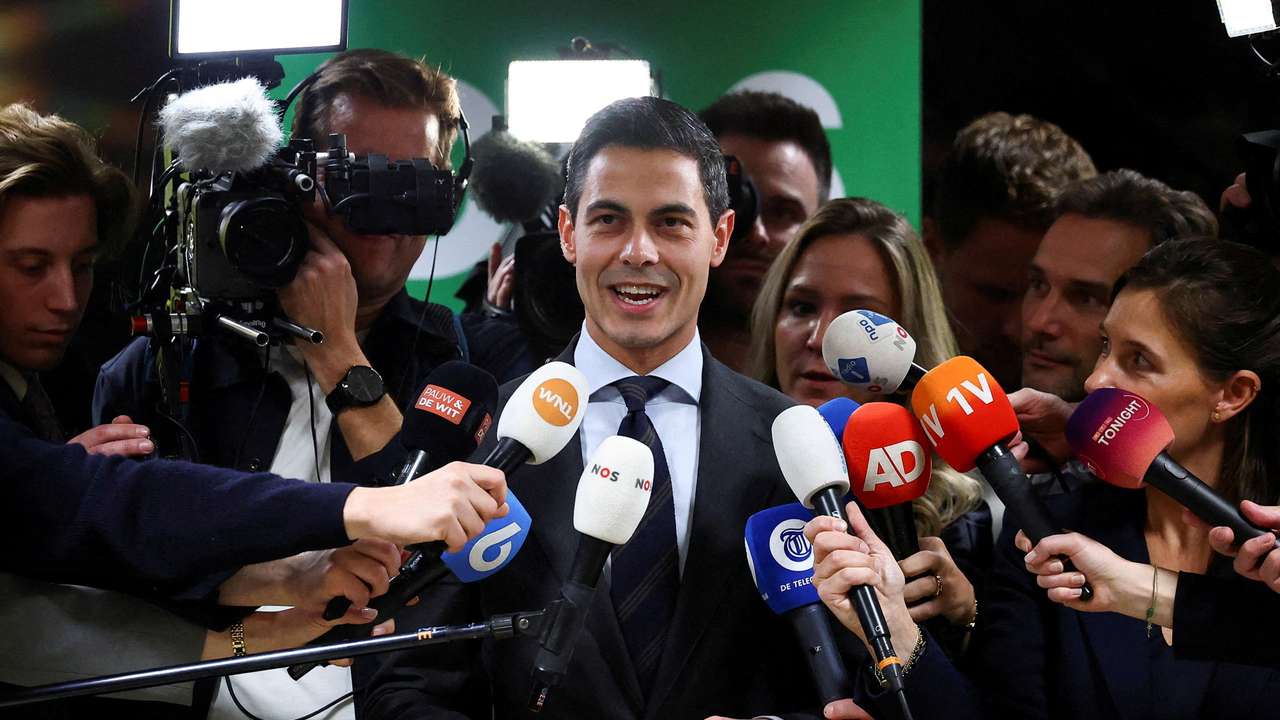
"We are charting a new course for our country, with investments aimed at the long term," leader of the D66 party Rob Jetten said.
Earlier this week, Jetten and other political leaders agreed to form a rare minority government in which the centrist pro-EU D66, will team up with the conservative Christian Democrats and right-wing VVD.
This coalition will only hold 66 of the 150 seats in the lower house of parliament, and will need to find support among opposition parties for its proposals.
The main leftwing opposition party said it would strive for more social and greener policies.
As the leader of the new government, Jetten, aged 38, will become the youngest prime minister in Dutch history.
Other cabinet posts will be filled in the coming weeks, and the government is expected to be officially installed within a month.
RECOMMENDED FOR YOU

Madagascar Roundup: Child food poverty hits 77%, growth rebound forecast for 2027 and northern risk mapping begins
This article was produced by Reuters news agency. It has not been edited by Global South World.