Somali regions reject Mogadishu's move to cut ties with UAE
By Giulia Paravicini
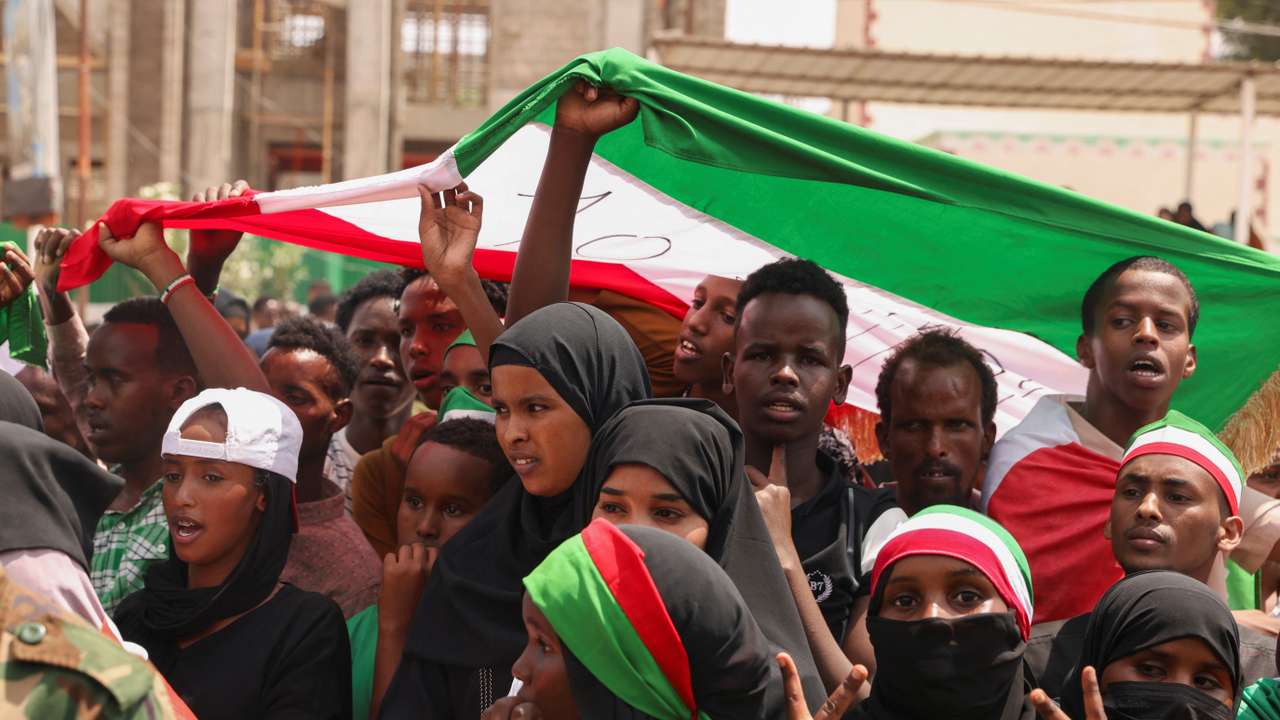
Three self-governing regions in Somalia that have close relations with the United Arab Emirates have dismissed a decision this week by the central government to sever ties with the UAE, a longterm sponsor.
On Monday Somalia annulled all agreements with the UAE, including in the field of security, accusing the Gulf country, which has trained and funded Somalia's army and invested in its ports, of undermining Somalia's national sovereignty.
Somalia did not provide further explanation of its reasons for the move. Mogadishu is investigating allegations that the UAE whisked a separatist leader out of Yemen via Somalia. Separately, the UAE has been linked to Israel's recognition last month of Somaliland, a breakaway region of northern Somalia, as an independent state.
RECOMMENDED FOR YOU
Milk tops the world’s most valuable food commodities, ahead of rice and pork
The UAE's Ministry of Foreign Affairs did not immediately respond to a request for comment on Somalia's decision. The UAE has longstanding interests in the Horn of Africa and Red Sea regions, where it has frequently vied with other wealthy Gulf states for influence.
Somaliland and two semi-autonomous states, Puntland in the north and Jubbaland in the south, said they would not recognise the decision by Mogadishu to cut ties with the UAE.
"Somalia’s daydreaming changes nothing ... The UAE is here to stay, no matter what a weak administration in Mogadishu says," Khadar Hussein Abdi, Minister of the Presidency of the Republic of Somaliland, said late on Monday.
The Jubbaland regional government said Mogadishu's decision was "null and void" and existing "security and development agreements will continue to exist".
Puntland said the decision would have no impact on relations between it and the UAE, including over the coastal city of Bosaso where a subsidiary of the UAE's DP World has a 30-year concession to run the port.
EXPANDING INFLUENCE
The UAE has long leveraged its wealth to expand its influence across the Horn of Africa, using a mix of economic, military and diplomatic clout to exert regional power.
For decades Somalia's federal government has possessed only limited authority across the country, and has failed to defeat Islamist militants, despite years of international support, including African peacekeepers and U.S. air strikes.
RECOMMENDED FOR YOU
Olympic flame arrives on African soil for first time as Senegal begins Dakar 2026 countdown
The UAE trained hundreds of Somali troops from 2014-2018, and still covers salaries and provides logistics for around 3,400 Somali military police and special forces troops in and around the capital, according to senior Somali sources.
It has also forged bonds directly with regional governments, committing hundreds of millions of dollars to ports and military infrastructure on the coast along global shipping routes.
Two Somali officials, speaking on condition of anonymity to discuss sensitive diplomacy, told Reuters that in place of UAE military funding the country could turn to the UAE's wealthy Gulf rivals Qatar or Saudi Arabia for help.
This article was produced by Reuters news agency. It has not been edited by Global South World.