South Sudan must realign its commitments to feed 7.8 million in critical need — Opinion
Since South Sudan’s independence in 2011, the country has faced persistent instability due to a rift between President Salva Kiir Mayardit and his former deputy, Riek Machar.
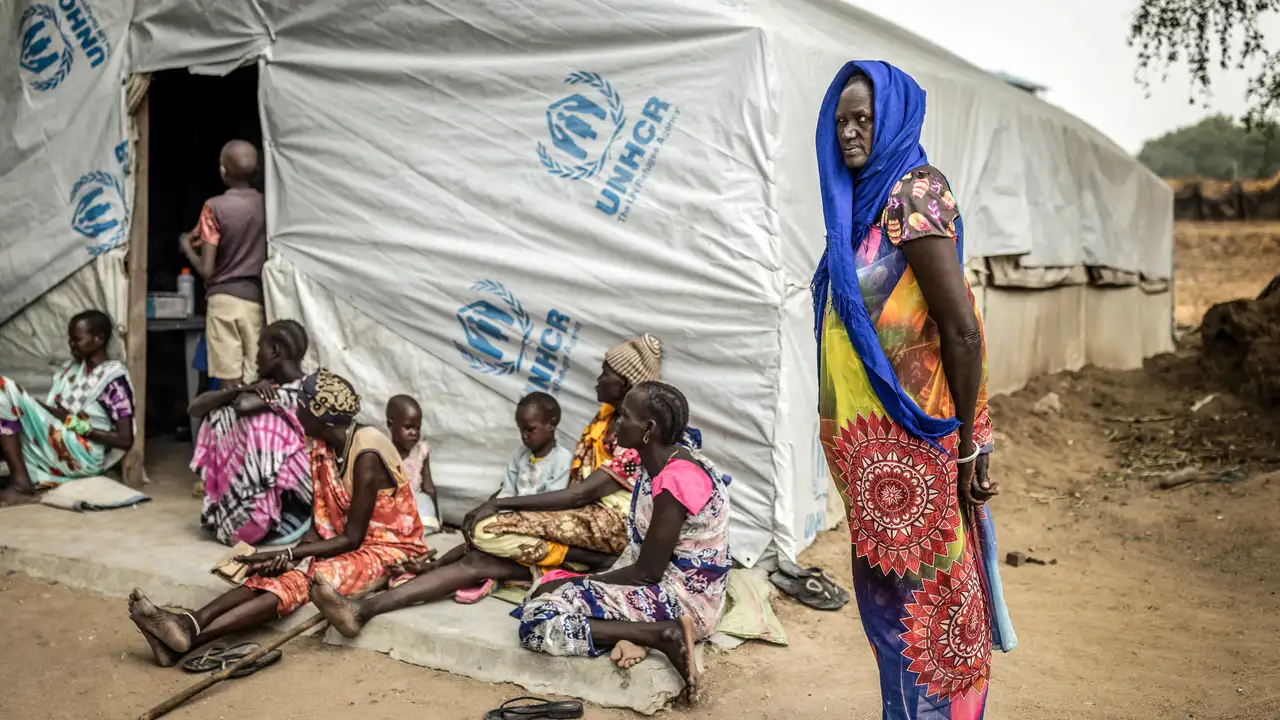
Despite being one of the world’s youngest nations, it has endured some of the worst humanitarian crises, forcing millions to flee to neighbouring Uganda, Sudan, Ethiopia, Kenya, and the Democratic Republic of Congo.
Political disagreements sparked a major armed conflict in 2013. It ended with the signing of the Revitalised Agreement on the Resolution of the Conflict in the Republic of South Sudan (R-ARCSS), but the deal has proved volatile, with rival camps accusing each other of violating the agreement.
The result of escalating conflict has been the worsening of South Sudan’s humanitarian situation characterised by the growing rates of malnutrition and food insecurity, especially among the most vulnerable.
“This crisis is hitting women and children the hardest,” observes Adham Effendi, World Food Programme’s South Sudan Country Director. “And we can see that in the extremely high levels of malnutrition. These children are the future of the country, but without urgent support, this future is at stake.” He attributes the slowed response to conflict and access denials.
RECOMMENDED FOR YOU
Why are millions leaving Southern Asia while Western Asia draws more migrants?
Aid cuts have worsened the crisis, leaving many internally displaced people in South Sudan without access to essential services.
The Food and Agriculture Organisation (FAO), the World Food Programme (WFP) and the United Nations Children’s Fund (UNICEF) project that food insecurity has worsened in South Sudan.
Their joint statement estimates 7.8 million people will face high acute food insecurity between April and July 2026. That’s over 56% of the population, at the Integrated Food Security Phase Classification (IPC) Phase 3.
The statement further shows that about 700,000 children will “face severe acute malnutrition, the deadliest form. Similarly, 1.2 million pregnant and breastfeeding women are acutely malnourished, placing both mothers and infants at heightened risk.”
These figures reflect the scale of devastation in IDP camps, particularly in states like Jonglei, where nearly 300,000 displaced people live in abject poverty and scramble daily for the very limited supply of basic services in a shrinking, overstretched economy.
South Sudan must pursue a long-term cure to its chronic food insecurity; this way, it will build enough capacity to contain future crises. This remedy majorly lies in sustained, strategic investment toward climate change mitigation and sustainable agricultural practices.
In order to realise this, the country must review its fiscal priorities. Despite efforts to boost agricultural production in the East African country, the sector’s share in the national priority basket is still critically low.
Agriculture receives just 130.9 billion SSP ($1 billion) in the 2025/2026 national budget, while much bigger portions are reserved for security spending, public sector salaries and servicing the growing public debt, yet corruption concerns persist.
RECOMMENDED FOR YOU
Every World Bank president has been a US national since 1946
Equally important, the country ought to take decisive steps to address the underlying causes of its humanitarian crisis, especially political instability, resource mismanagement and conflict. The state must consciously build stronger institutions and invest in its people, focusing on inclusive and sustainable growth.
The article solely represents the views of Simpson Muhwezi, a Ugandan freelance writer and development practitioner.
