The silent tug-of-war between the clock and the sun in Europe
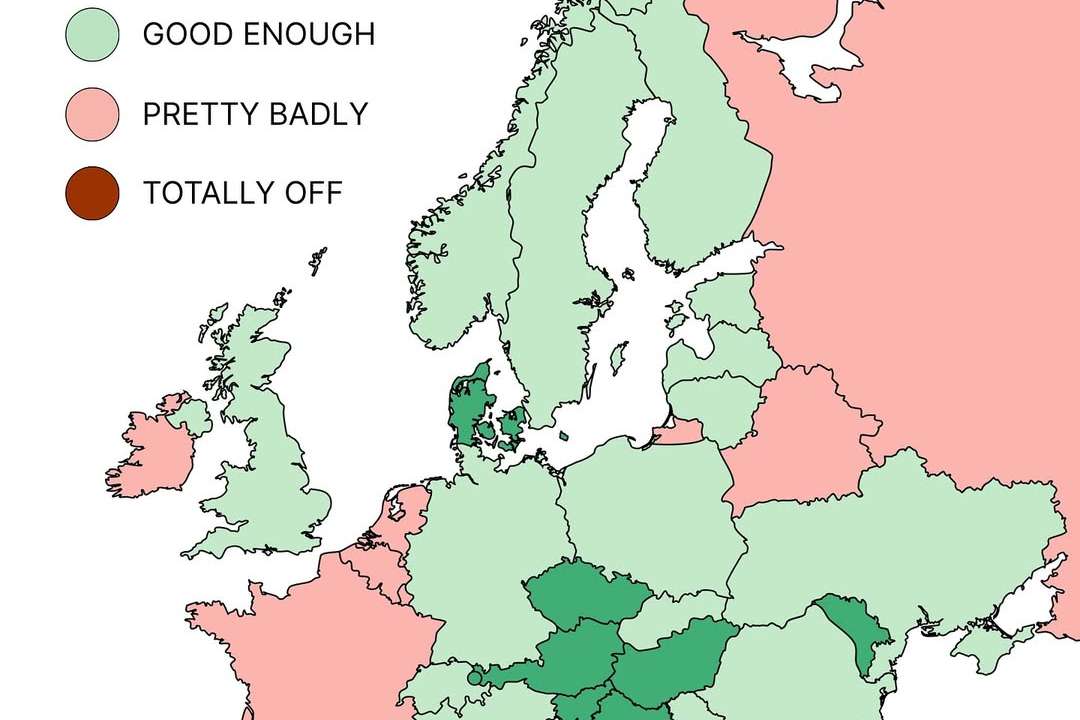
In Europe, time zones are meant to align daily life with the sun’s rhythm, but in reality, many countries run on a social clock that’s out of sync with their geographical position.
A new map shows exactly how well (or badly) nations match their time zones to their natural solar time: some tick in near-perfect alignment (marked in dark green), while others live in what feels like a parallel timeline (shaded brown).
Take, for instance, the case of Spain. Despite much of its territory sitting west of the prime meridian, it operates on Central European Time, a choice rooted in history, not geography.
The result is the country being broadly categorised in the “totally off” zone on the map. This means that many Spaniards are eating dinner late, finishing work into the evening and waking up under a shifted sun.
RECOMMENDED FOR YOU

Sanchez pledges to restore normality in Ceuta after mass migrant arrivals
Researchers argue this misalignment isn’t just quirky; it has real effects. According to studies of social jet-lag, “artificial” time zones contribute to sleep disruption, productivity losses and other subtle impacts on health and economy.
Meanwhile, within the European Commission, the debate is heating up about clock changes and permanent time zones. The discussion centres around how to align social time better with “sun time” while maintaining economic coordination across countries.
In a world where remote work, global teams and international travel are now the norm, being out of sync even by one hour creates friction.
This story is written and edited by the Global South World team, you can contact us here.