The top 10 manufacturing nations in Africa
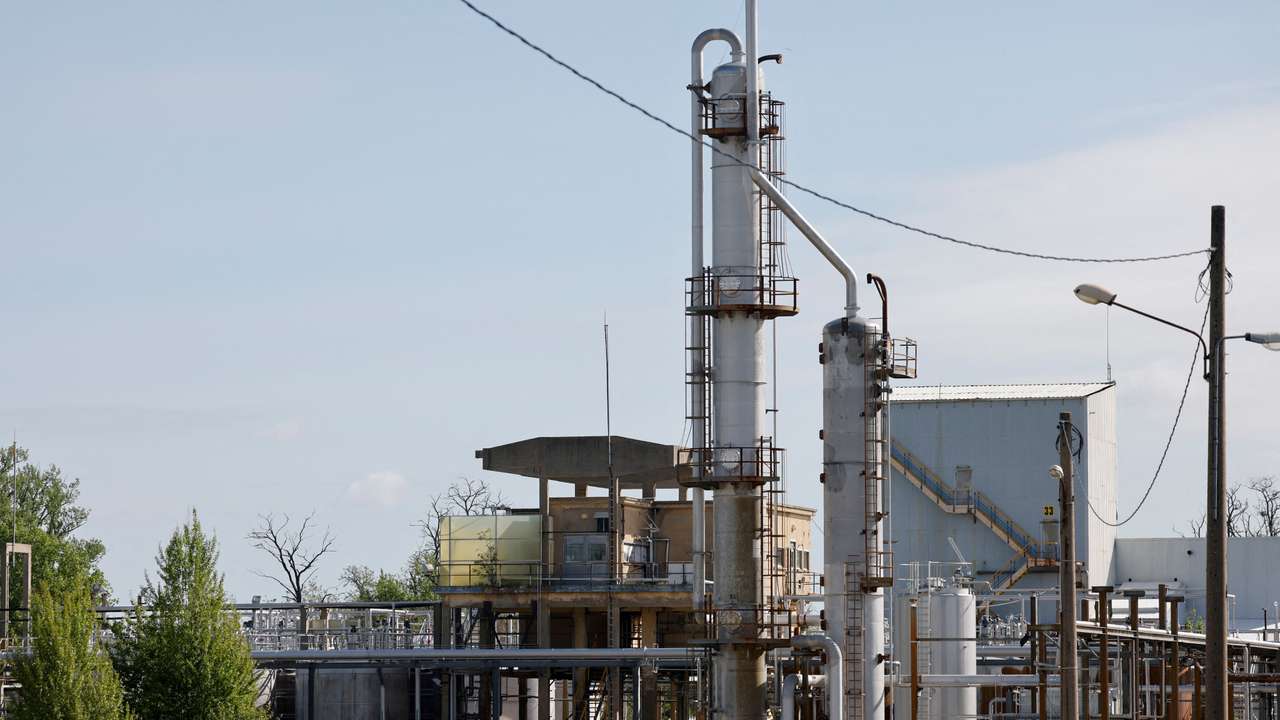
Africa’s manufacturing sector is a vital engine for economic growth, projected to reach a value-added output of $77.66 billion and a total output of $284.70 billion by the end of 2025, according to data from Statista.
Despite a projected decline in compound annual growth rate (CAGR), -2.27% for value-added and -2.84% for output, the sector remains a key pillar for economic transformation, job creation, and industrial diversification.
Here are the top 10 manufacturing nations building a competitive value chain ranging from automotive to agro-processing in 2025, according to a report by The African Exponent.
- South Africa
Africa’s most industrialised economy leads in automotive, steel, chemicals, and food processing. Anchored by giants like Volkswagen SA, Sasol, ArcelorMittal, and Tiger Brands, South Africa benefits from advanced infrastructure, deep financial markets, and integration with global value chains.
- Egypt
With strong exports to Europe and the Middle East, Egypt excels in cement, pharmaceuticals, petrochemicals, and textiles. Key players include Elsewedy Electric, Cleopatra Group, and EIPICO, driven by pro-industrial policy reforms and a skilled workforce.
RECOMMENDED FOR YOU

Netanyahu calls IDF 'most moral army' and defends Israel's treatment of Christians
- Nigeria
Nigeria boasts of Africa’s largest domestic market with flagship projects like Dangote Refinery and the expansion of BUA Group are reshaping its industrial landscape. Top sectors include cement, food and beverages, consumer goods, and oil refining.
- Morocco
A regional hub for automotive and aerospace, Morocco leverages EU trade ties and foreign investment, including major firms like; Renault Morocco, PSA Group, and Bombardier Morocco. Government incentives and industrial zones further fuel growth.
- Kenya
East Africa’s industrial anchor excels in agro-processing, pharmaceuticals, and plastics. With Nairobi as a tech and manufacturing hub, top firms like Bidco Africa, Brookside Dairy, and Devki Group are scaling up regional production.
- Algeria
Combining public and private manufacturing, Algeria is strong in cement, steel, electronics, and automotive assembly. Firms such as Groupe Cevital, SNVI, and Hyundai Algeria lead operations supported by national infrastructure.
- Ethiopia
Industrial parks and low labour costs attract global manufacturers in textiles, leather, and food processing. Supported by state-driven policies, companies like Ayka Addis and Derba Cement underscore Ethiopia’s export-oriented push.
- Ghana
Programs like “One District One Factory” have boosted agro-processing, cocoa manufacturing, and pharmaceuticals in Ghana. Major companies include Kasapreko, Fan Milk, and Nestlé Ghana, driving value-added exports.
- Tunisia
A niche player in automotive components, electronics, and textiles, Tunisia supplies EU markets with high-value light manufacturing. Companies such as Coficab, Poulina Group, and STIP are expanding their continental footprint.
- Zambia
Driven by cement, agro-processing, steel, and consumer goods, Zambia’s industrial base is growing. Firms like Zambeef, Trade Kings, and Dangote Zambia are benefiting from government-led industrial incentives.
RECOMMENDED FOR YOU

Spain’s migration minister faces protests during Ceuta visit
Africa’s manufacturing momentum is shaped by local policies, international investment, and the need to create value beyond raw material exports.
This story is written and edited by the Global South World team, you can contact us here.
