US tracking closely how to get oil tankers through Strait of Hormuz, White House says
- #Americas
- #Asia
- #Pacific
- #Commodities Markets
- #Conflicts
- #War
- #Peace
- #Defense
- #Diplomacy
- #Foreign Policy
- #Europe
- #Middle East and Africa
- #Emerging Market Countries
- #International Agencies
- #Treaty Groups
- #Middle East
- #North America
- #North Atlantic Treaty Organization
- #Energy Markets
- #Nuclear Armaments
- #Nuclear Proliferation
- #government
- #Politics
- #US President
- #Power Markets
- #International
- #National Security
- #South-West Asia
- #Gulf
- #International Trade
- #Tariffs
- #Civil Unrest
- #Military Conflicts
By Nandita Bose and Bo Erickson
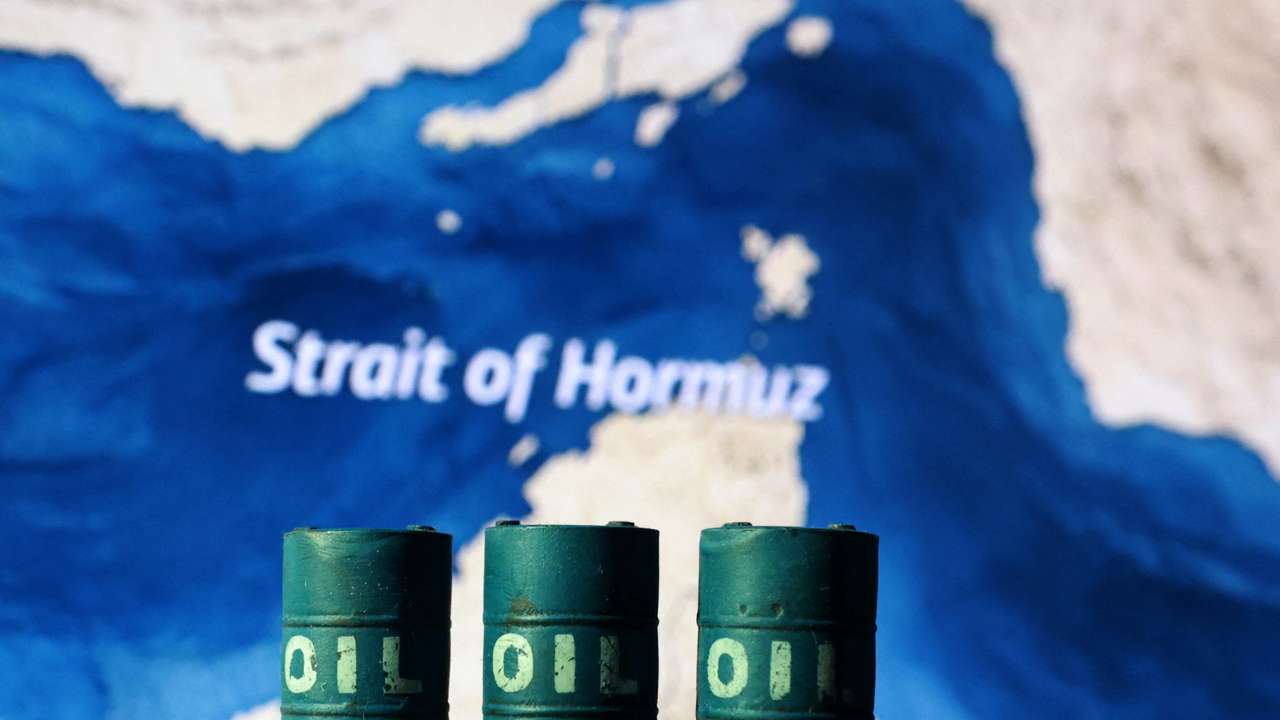
White House press secretary Karoline Leavitt on Wednesday said the United States is tracking "very closely" how to get oil tankers through the Strait of Hormuz.
"As far as tankers through the Strait, it's something we're tracking very closely," Leavitt told reporters about the key shipping lane near Iran. However, the press secretary said there is no "specific timeline" on when the tankers could move freely.
"We're going to see prices at the pump go back down," Leavitt added, arguing the Trump administration's prioritization of domestic energy production will help stabilize prices when the military operation in Iran is over.
RECOMMENDED FOR YOU

Europe hit by wave of protests as rising living costs, housing crisis fuel unrest
This article was produced by Reuters news agency. It has not been edited by Global South World.