West Africa worst affected by disinformation campaigns in 2023, report says
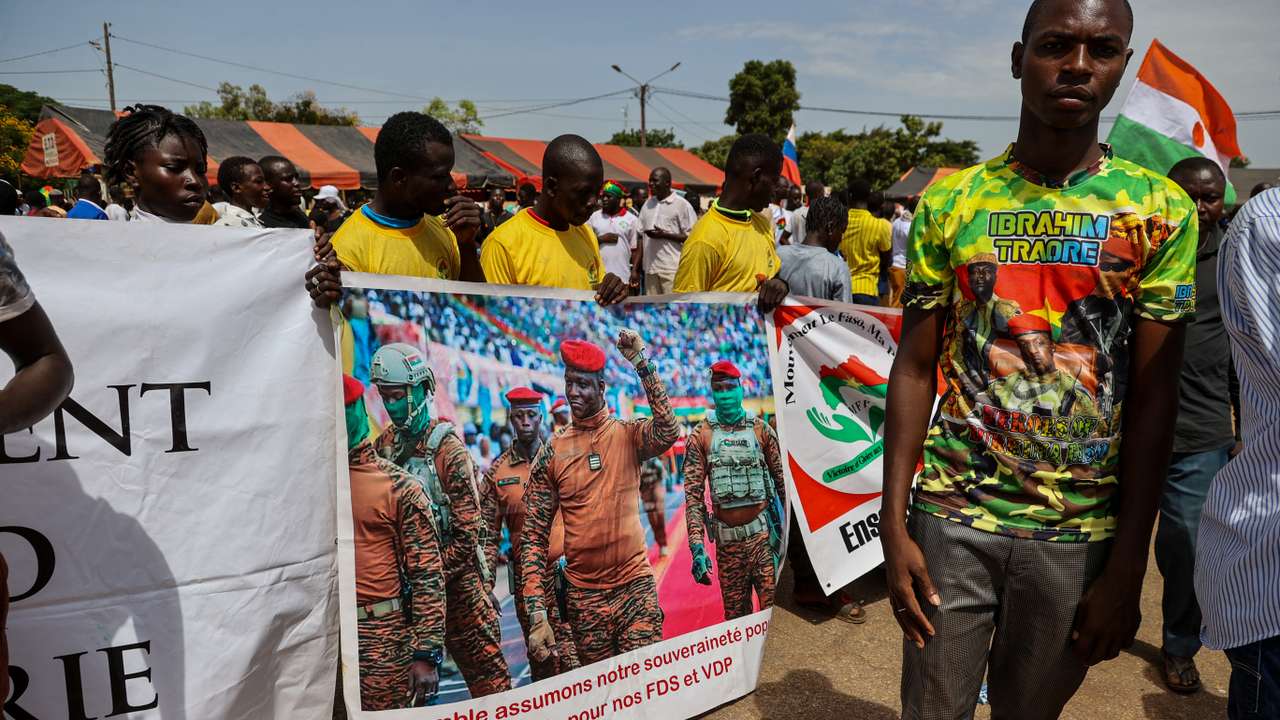
The Africa Center for Strategic Studies (ACSS) has disclosed in its latest report that Africa experienced a four-fold surge in disinformation campaigns throughout 2023, the bulk of which were instigated by Russian agents, with a particular focus on West African nations.
According to the latest findings titled, “Mapping a Surge of Disinformation in Africa” from the ACSS, a staggering total of 189 instances of disinformation campaigns were identified in 2023, impacting a staggering 39 countries across the continent.
While a range of entities, including affiliates of China’s Communist Party, militant Islamist groups, military juntas, and domestic political actors, were implicated in sponsoring such campaigns, Russia emerged as the predominant disseminator of disinformation in Africa.
The report further shed light on the extensive reach of Russian agents, who executed 80 documented campaigns across 22 countries, solidifying their status as the principal source of disinformation in the region. Notably, these efforts intensified before and after the coup in Niger last July.
Elections emerged as a key target for disinformation actors, with a notable group identified as "Team Jorge," an Israeli entity, orchestrating disinformation campaigns during at least 20 African electoral processes since 2015.
RECOMMENDED FOR YOU
Six countries account for three-quarters of Europe’s unicorn startups
The report also adds that these disinformation campaigns employ the services of paid African influencers, digital avatars, and the dissemination of fake or out-of-context videos and images. These messages are often replicated and amplified across multiple channels, including Russian state-controlled media, radio broadcasts, and official communications platforms.
Disinformation is deliberately crafted, far from being merely inaccurate, and is meant to deceive and inflict significant harm. It can be disseminated by both state and non-state actors, exerting a wide-reaching impact on various human rights. This harmful practice undermines efforts to formulate effective public policies and increases tensions, particularly during emergencies or periods of armed conflict.