What to know about the Nipah virus, another bat-borne disease alarming Asia
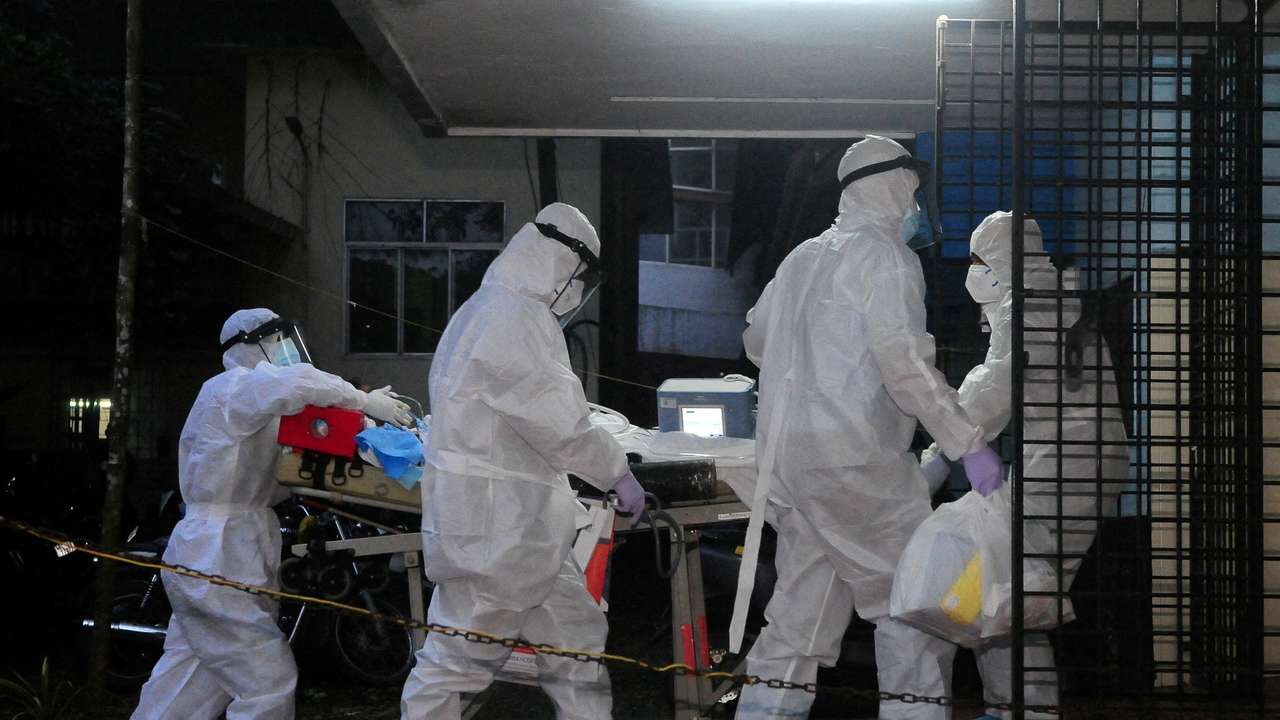
Health authorities in West Bengal, India have reported a cluster of Nipah virus infections, including healthcare workers in Barasat near Kolkata. At least five cases have been linked to a private hospital, with around 100 close contacts quarantined and under observation.
Regional airports from Thailand to Nepal and Taiwan have reinstated COVID-style screening for travellers from India as a precaution.
What is Nipah virus?
Nipah virus (NiV) is a zoonotic pathogen carried by fruit bats. It can jump to humans via infected animals or contaminated food (notably raw date palm sap), and it can spread between people through close contact. The World Health Organization lists it as a high-priority pathogen because of its severity and outbreak potential.
RECOMMENDED FOR YOU

Six countries account for three-quarters of Europe’s unicorn startups
Symptoms to watch for
Infection ranges from mild or asymptomatic to severe:
- early: fever, headache, muscle pain, sore throat
- later: severe respiratory illness, encephalitis (brain inflammation), seizures
- can progress to coma within 24 to 48 hours in severe cases
- Fatality in past outbreaks has ranged from 40% to 75%, depending on healthcare response
How does it spread?
Nipah reaches humans in three main ways:
- From animals to people: via contact with infected pigs or other animals.
- From bats to people: through fruit or products such as raw date palm sap contaminated with bat saliva or urine.
- Between people: through close contact with bodily fluids, particularly among family members and healthcare workers.
No cure, no vaccine
- There is currently no specific antiviral or approved vaccine for Nipah. Treatment is supportive, focusing on managing respiratory or neurological complications.
Where has it appeared before?
- First identified in Malaysia in 1999, during an outbreak linked to infected pigs.
- Detected in Bangladesh in 2001, where outbreaks have since occurred almost every year.
- Reported periodically in eastern India, including cases involving hospital transmission.
This story is written and edited by the Global South World team, you can contact us here.