What Vietnam’s first free trade zone means for Asia-Pacific trade
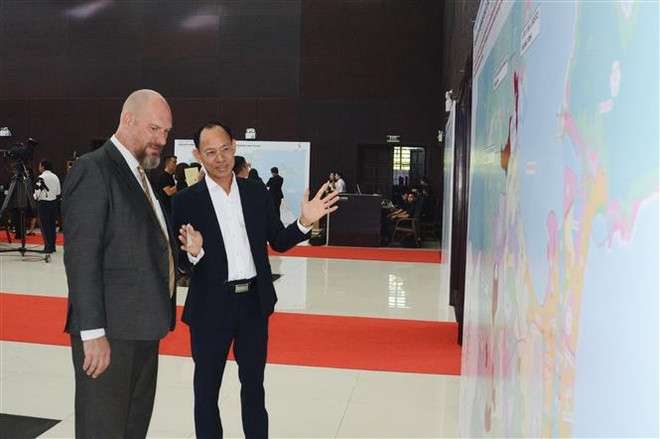
Vietnam has officially launched its first free trade zone in the central city of Da Nang, a move the government says will strengthen the country’s position in international trade and supply chains.
Deputy Prime Minister Nguyen Hoa Binh announced the decision during a ceremony on June 22, calling it a major step in Vietnam’s economic transformation.
The Da Nang Free Trade Zone spans over 1,800 hectares and will include areas for manufacturing, logistics, services, and digital innovation.
Vietnam hopes the zone will attract global investors and become a gateway for trade across the Asia-Pacific region.
It is connected to key transport infrastructure such as the Lien Chieu deep-water port, Da Nang International Airport, and the East-West Economic Corridor, giving it a strong position in regional logistics networks.
RECOMMENDED FOR YOU

Six countries account for three-quarters of Europe’s unicorn startups
The government says the project will play an important role in Vietnam’s wider development strategy, as Da Nang prepares for closer economic integration, including a proposed merger with neighbouring Quang Nam province.
Authorities also see the zone as a foundation for Da Nang’s future international financial centre and part of efforts to turn the city into a hub for green growth, digital services, and advanced industries.
At the launch, city officials signed agreements with several large Vietnamese and international companies, signalling early interest in the zone’s investment potential.
The agreements are expected to support new projects in production, technology, and finance.
This story is written and edited by the Global South World team, you can contact us here.