Why semiconductor chips are the new oil in global politics
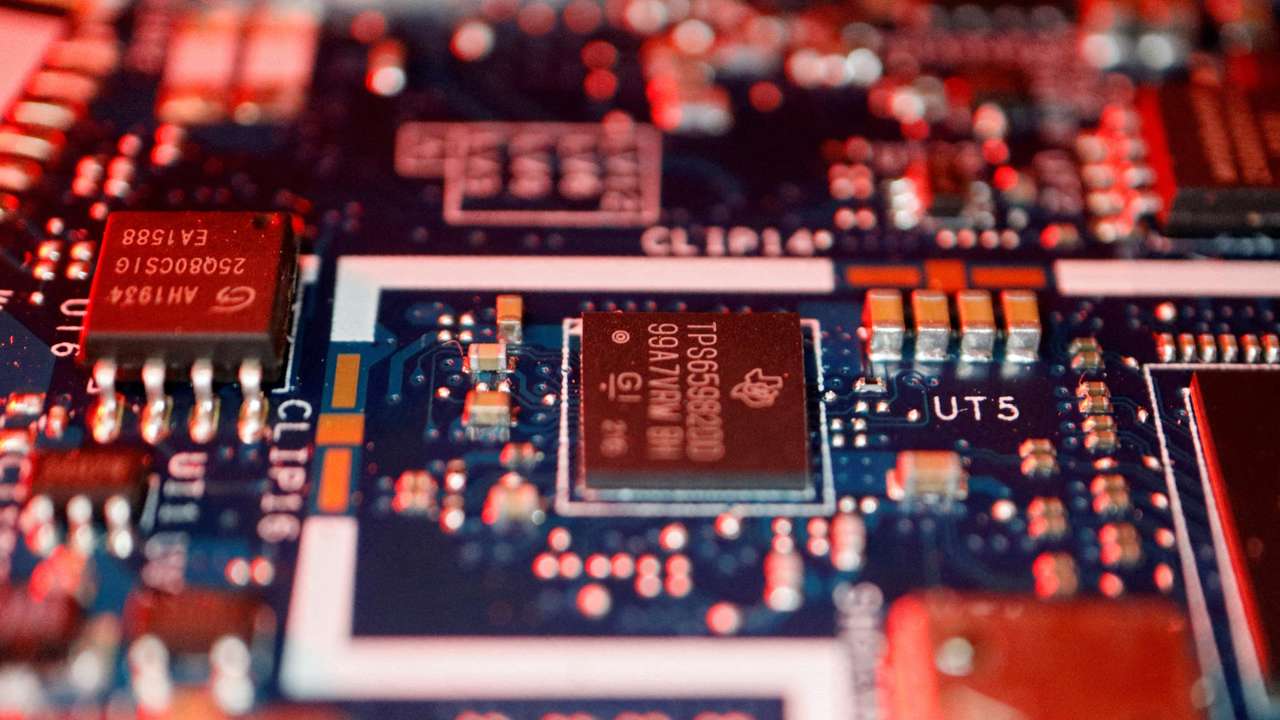
Semiconductor chips have become indispensable to modern life, powering everything from smartphones and electric vehicles to artificial intelligence and missile systems.
Their importance now rivals that of oil in the geopolitical arena, with chips forming a cornerstone of national security, technological leadership, and economic power. Unlike oil, however, semiconductors are not fungible and rely on an exceedingly complex and fragile global supply chain.
Central to this tension is the U.S.–China rivalry. American administrations have imposed strict export controls on advanced AI chips and fabrication equipment to hinder China’s technological ascent. In response, China continues to invest heavily in domestic alternatives and has made breakthroughs in lagging-edge technologies like FPGAs, chips critical to defence, telecom, and industrial systems.
Efforts to fortify domestic chip production have also intensified. The U.S. CHIPS and Science Act and similar initiatives in the EU aim to reshore chipmaking capacity and reduce reliance on Asian hubs. The U.S. plan includes reallocating $2 billion to secure rare-earth mineral supplies (like gallium and germanium), while the EU is launching a €43 billion package to increase its semiconductor production share.
A fundamental pivot came in 2025 when the U.S. Department of Commerce broadened semiconductor export restrictions to limit Chinese access to cutting-edge metrology and lithography tools systems essential for advanced chip fabrication. These tightened controls significantly reduced Chinese demand for Dutch company ASML's lithography systems, causing its revenue from China to drop from 29% in 2023 to a projected 20% in 2025.
RECOMMENDED FOR YOU

Six countries account for three-quarters of Europe’s unicorn startups
Meanwhile, Taiwan remains the global epicentre of advanced chip manufacturing. TSMC supplies about 60% of all chips and nearly 90% of the most sophisticated ones. This concentration makes Taiwan's semiconductor industry and, by extension, regional stability central to broader global supply security.
The control of advanced tools like EUV lithography produced solely by ASML further illustrates how one technology can shape world dynamics. According to the Guardian, the U.S. and its allies have successfully blocked China from obtaining these machines, effectively limiting its ability to manufacture top-tier chips.
The analogy to oil lies in scarcity and strategic leverage. Just as OPEC once controlled energy prices, a few nations now control the production of semiconductors. But chips differ greatly; while you can stockpile oil, semiconductors require intricate tools, materials, and global coordination to produce.
This story is written and edited by the Global South World team, you can contact us here.