Why some countries still don’t have diplomatic relations with the Holy See
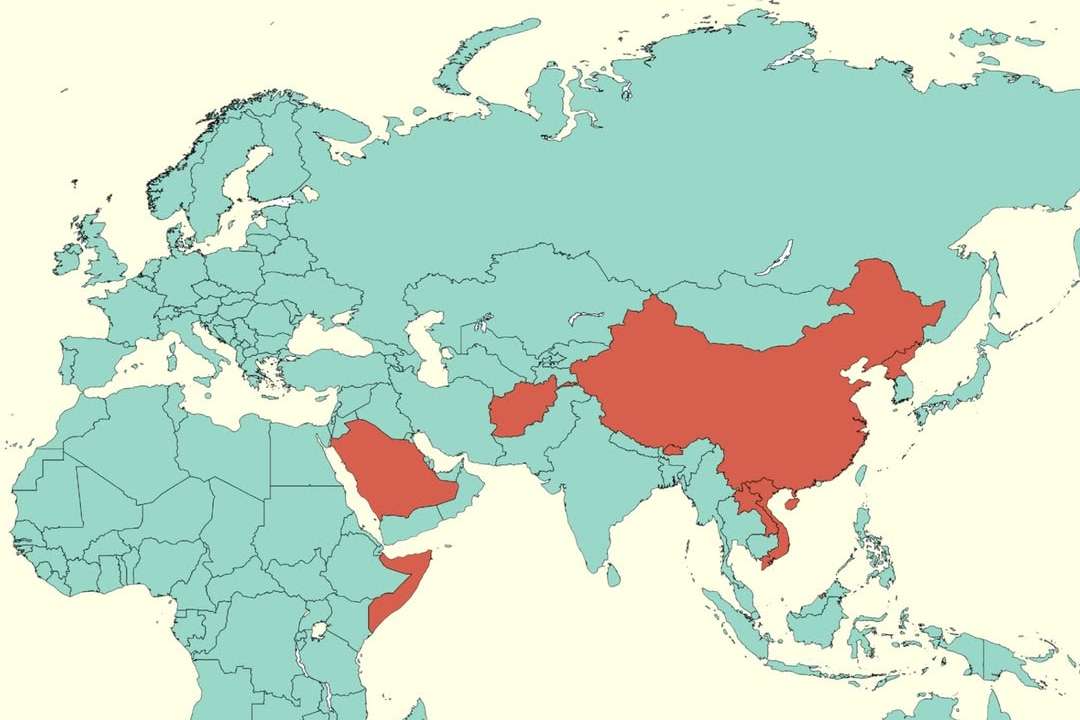
Despite being the world’s smallest independent state by both area and population, the Holy See—the ecclesiastical jurisdiction of the Pope and the central authority of the Catholic Church—has one of the widest-reaching diplomatic networks on Earth. As of 2024, it maintains formal diplomatic relations with over 180 countries, along with the European Union and several international organisations.
Yet, as the map above shows, a small group of countries remains outside this global circle. From communist giants to war-torn regions and ideologically rigid states, here’s a breakdown of why some nations still have no diplomatic ties with the Holy See.
Countries without diplomatic relations with the Holy See
Highlighted in red on the map, these countries currently have no formal diplomatic engagement with the Vatican:
- China
- North Korea
- Vietnam
- Afghanistan
- Saudi Arabia
- Oman
- Somalia
- Comoros
Why do these countries stand apart?
1. China
China’s relationship with the Vatican is one of the most complex. Although there has been a provisional agreement since 2018 on the appointment of bishops, full diplomatic relations have not been restored since the Holy See recognised the government in Taiwan. The Chinese Communist Party maintains tight control over religion, making diplomacy difficult.
2. North Korea
With strict isolationist policies and no freedom of religion, North Korea has never established ties with the Holy See. There are no official Catholic churches, and any underground religious activity is met with severe punishment.
3. Vietnam
Vietnam and the Vatican have improved ties in recent years, with a resident papal representative now allowed, but no formal diplomatic status exists yet. Talks are ongoing, and observers expect a breakthrough shortly.
4. Saudi Arabia and Oman
Both nations are Islamic monarchies with no formal churches and strict bans on public Christian worship. Religious freedom is limited, making official ties with the Holy See nearly impossible under current laws.
5. Afghanistan
Ongoing conflict, the resurgence of the Taliban, and a strict interpretation of Islamic law leave no room for a formal Catholic presence or diplomatic recognition of the Holy See.
6. Somalia and Comoros
Both nations have weak governance and fragile internal conditions, especially Somalia, which faces instability and terrorism. Religious minorities, including Christians, are often persecuted.
The Holy See's global role
The Holy See isn’t just a religious authority—it’s a sovereign entity under international law, actively participating in:
- UN diplomacy
- Peace negotiations
- Humanitarian advocacy
- Interreligious dialogue
Its diplomatic influence is seen as a moral and ethical counterbalance in global affairs, particularly on issues like migration, conflict resolution, poverty, and climate change.