AI is becoming a first stop for health advice, with India leading global use
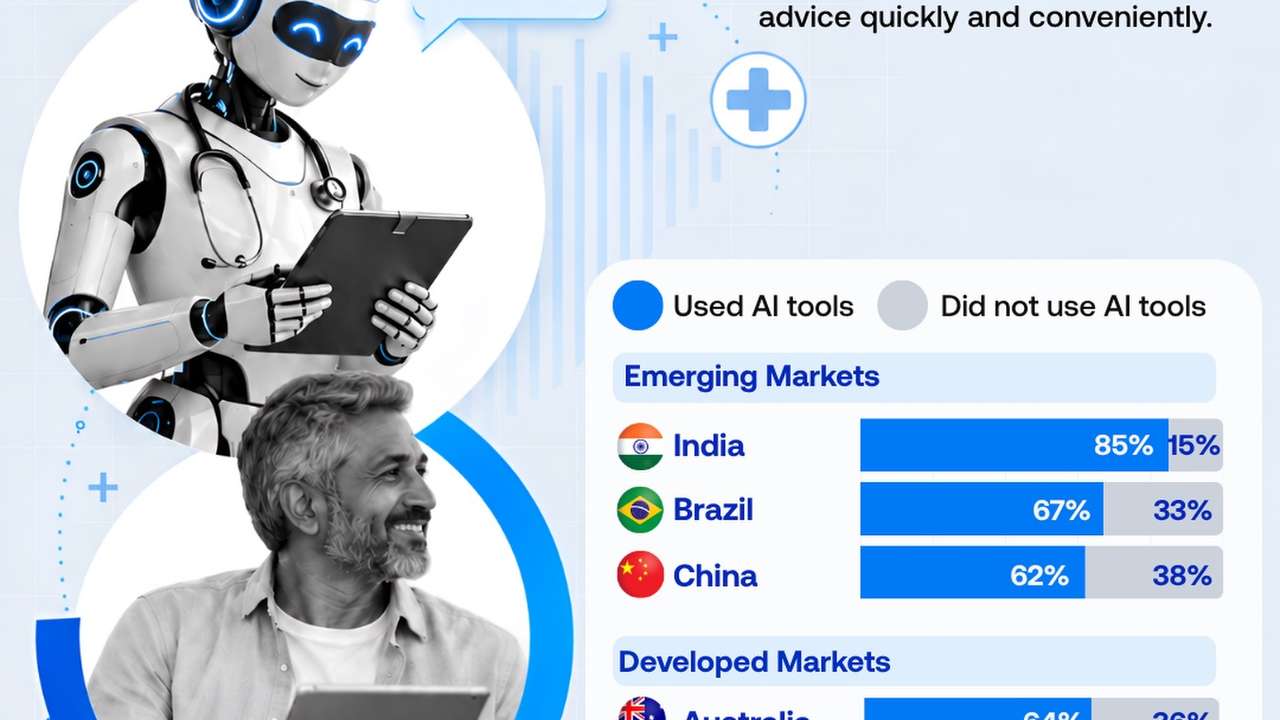
Artificial intelligence is becoming a common tool for people seeking health information, with consumers in emerging markets adopting it at particularly high rates, according to a 2026 Boston Consulting Group survey.
Main points
- India leads health-related AI use at 85%
- Global usage stands at 57%
- Younger adults are the biggest users
Artificial intelligence is becoming a common tool for people seeking health information, with consumers in emerging markets adopting it at particularly high rates, according to a 2026 Boston Consulting Group survey.
BCG surveyed more than 13,000 internet-connected adults across 15 countries and found that 57% had used AI tools for their personal health. India recorded the highest rate among the countries highlighted, at 85%, followed by Brazil at 67% and China at 62%.
Usage was generally lower in several developed economies. The survey found 64% in Australia had used AI for health, compared with 50% in the United States, 44% in Germany, 43% in Britain and 34% in Japan.
Generative AI tools such as ChatGPT and Google Gemini are increasingly being used to ask health questions, understand symptoms and make sense of medical information.
RECOMMENDED FOR YOU
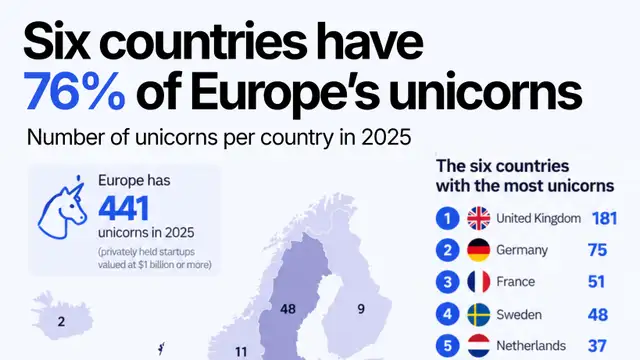
Six countries account for three-quarters of Europe’s unicorn startups
AI chatbots were the most common type of health-related AI tool in the survey, used by 33% of respondents for general health advice. AI-enabled wearables such as smartwatches and fitness trackers followed at 19%, while other uses included nutrition and fitness coaching and tools for explaining medical results.
The findings do not mean most people are replacing doctors with AI. BCG found that much of the current use happens at the early stages of a person's healthcare journey, such as looking up symptoms or understanding information before deciding what to do next.
Younger adults are adopting AI faster
Age is another major dividing line. About 78% of Gen Z respondents and 71% of Millennials said they had used AI for health. That fell to 50% among Gen X and 31% among Baby Boomers.
Consumers, however, remain cautious about the accuracy of AI-generated health information, privacy and security, and many favour a system in which AI supports healthcare professionals rather than replaces them.
This story is written and edited by the Global South World team, you can contact us here.