Brazil's presidential election exposes challenge of ensuring equal treatment on Big Tech platforms: Opinion
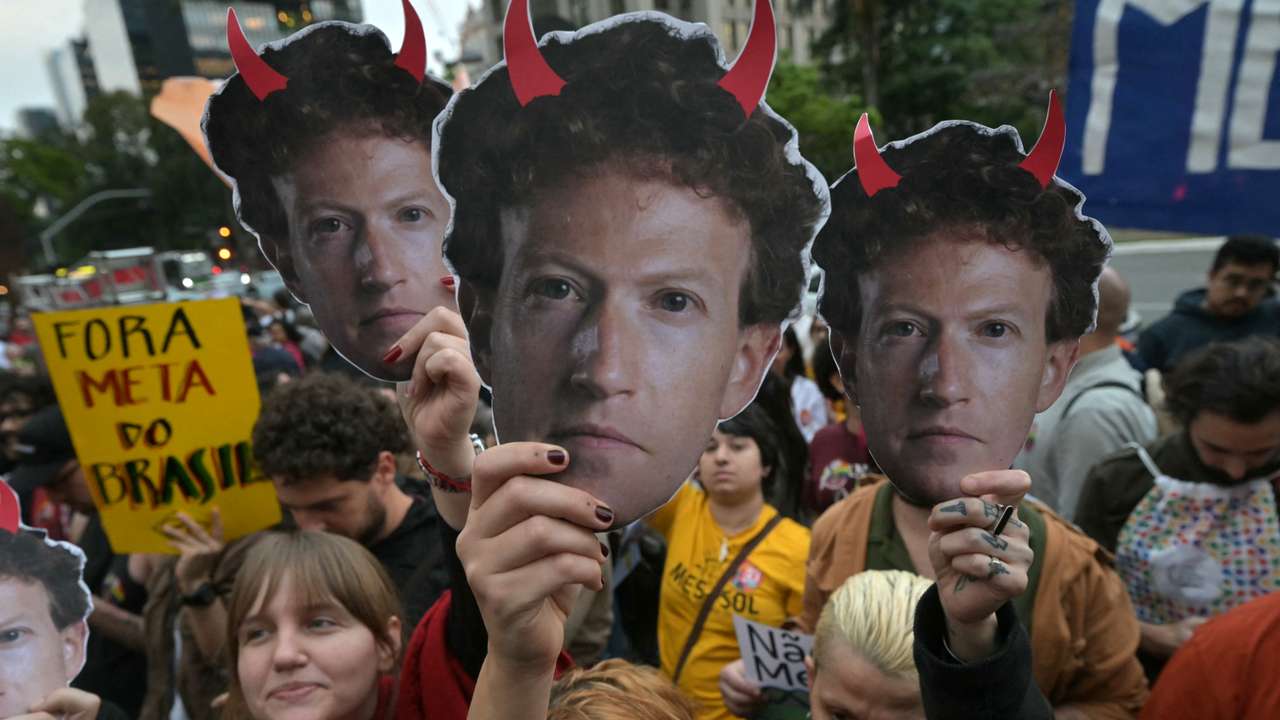
Political campaigns change with every election, driven by new technologies. Today, social media is the stage on which democracy plays out, where the priority is gaining followers and reaching more people through tools and content such as deepfakes, fake news and clips from interviews and debates. Those who capture the public’s attention win, rather than necessarily those with the best proposals.
In this election, the contest on Meta’s platforms has become a legal dispute, with Brazil’s Superior Electoral Court (TSE) requiring the company to apply the same rules to President Luiz Inácio Lula da Silva, of the Workers’ Party (PT), and Flávio Bolsonaro, of the Liberal Party (PL), who received the most votes in the first round.
This is equal treatment. Meta must apply the same criteria to both candidates, which does not mean they will have the same reach. The company must not restrict the visibility of the run-off candidates in searches or the distribution of their political content, and it must apply the same criteria when generating images using artificial intelligence. Meanwhile, the TSE’s rule excludes only the candidates’ official profiles from recommendations. Supporter channels and accounts sharing clips remain free to go viral.
Lula’s campaign alleges that Meta failed to ensure equal treatment. Flávio’s profile appeared in searches while Lula’s did not; Meta AI generated images of Flávio but refused to generate images of Lula (see here). The tech company denies favouritism and attributes the problems to technical faults. The PL candidate’s campaign also says it has been disadvantaged.
RECOMMENDED FOR YOU

New Asia Forum: Indonesia to set out progress on sustainable AI data centres
Faced with conflicting accounts, only an audit of internal data examining the criteria rather than the results could provide an answer, with access to records of restrictions and their reasons, ranking scores and the history of code changes. But only the company holds these data, and Brazil’s Electoral Public Prosecutor’s Office concluded that it had not provided everything the TSE requested.
The challenge for future elections, in Brazil and elsewhere, is not to force algorithms to produce identical results, but to ensure their rules are known before campaigning begins and audited throughout the election. Without this, equal treatment becomes merely a promise rather than a right that society can exercise.
This article exclusively represents the opinions of its author, Adriane Buarque de Holanda, and not those of Global South World.
