America's best-paid public employees are football coaches
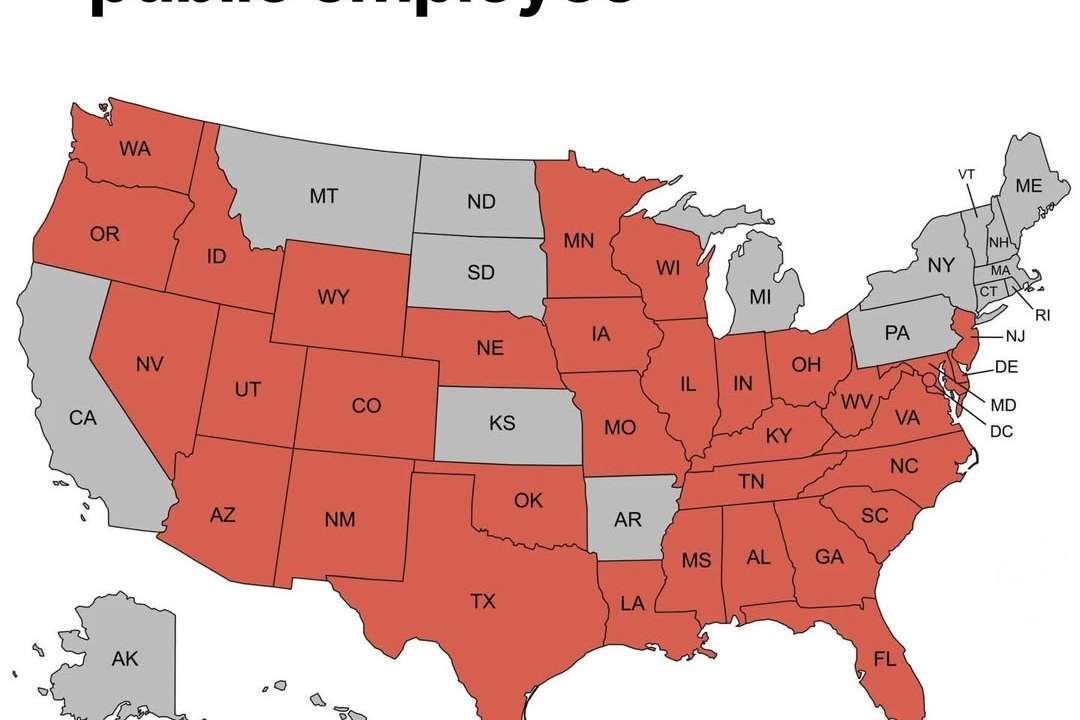
In many U.S. states, the highest-paid public employee is not a governor, judge or university president, but a college football coach, highlighting the sport's immense economic and cultural influence.
Key Points
- Football coaches are the highest-paid public employees in a majority of U.S. states.
- Top college coaches earn multi-million-dollar salaries funded largely by athletic revenues.
- The trend highlights the economic and cultural power of college football across America.
In many U.S. states, the highest-paid public employee is not a governor, judge or university president, but a college football coach, highlighting the sport's immense economic and cultural influence.
Data from state payroll records analysed by USA Today, ESPN and Business Insider show football coaches top public salary rankings across much of the South, Midwest and West. Many earn multimillion-dollar compensation packages that far exceed those of elected officials.
The trend reflects the financial strength of major college football programmes. Top universities regularly generate more than $100 million annually through media rights, sponsorships, ticket sales and merchandise, while conferences such as the SEC and Big Ten benefit from multibillion-dollar broadcasting deals.
Coaches at public universities, including Alabama, Georgia, Ohio State and Texas, have earned contracts worth more than $8 million per year, making them among the highest-paid public employees in the country.
RECOMMENDED FOR YOU
From Suomi to Zhongguo, why some countries have completely different names at home
The pattern is most visible in states where college football is deeply embedded in local culture. In contrast, some Northeastern and West Coast states are led by medical school executives, university administrators or other public officials on state payroll lists.
The growing salaries continue to fuel debate over public spending, particularly as universities navigate rising tuition costs and a rapidly changing college sports landscape shaped by athlete compensation and NIL agreements.
For supporters, elite coaches generate revenue and national visibility that justify their pay. Critics argue the gap between coaching salaries and those of educators or public servants raises broader questions about priorities in public higher education.