Argentina Roundup: Báez properties raided, Machado jailed in US, Neuquén sets first 2027 election
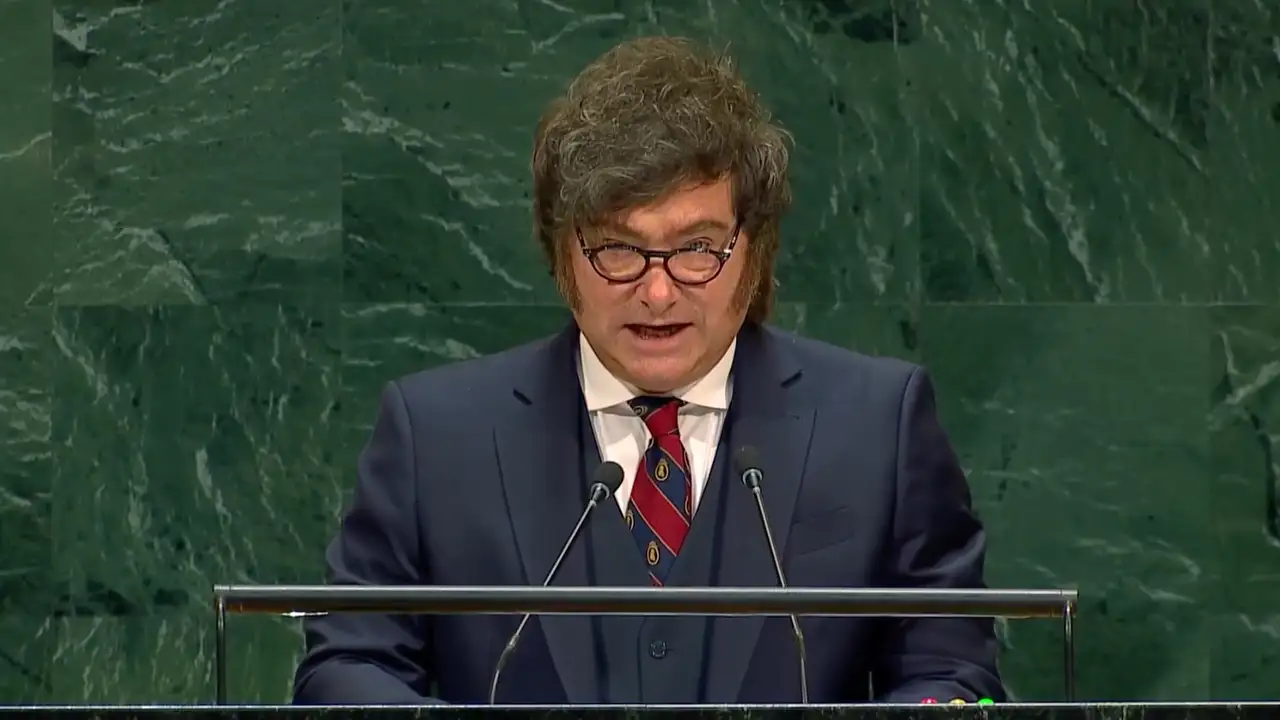
Argentine authorities raid 27 properties linked to Lázaro Báez in drug trafficking and money laundering investigation
Argentine federal authorities have conducted 27 raids on properties, businesses and other locations linked to imprisoned businessman Lázaro Báez, as investigators examine suspected drug trafficking and money laundering operations in the southern province of Santa Cruz. The searches, carried out between November 9 and 10, 2026, targeted properties in Río Gallegos, El Calafate and Buenos Aires, including rural estates, commercial premises, real estate agencies and a vehicle-washing business. Authorities also searched Báez's prison cell at the Ezeiza federal penitentiary, where he is serving sentences arising from previous corruption and money laundering cases. The operations were authorised by federal judge Claudio Marcelo Vázquez, based in Río Gallegos, following requests from the federal prosecution service and Argentina's specialist economic crime and money laundering unit, known as PROCELAC. The investigation is being led by federal prosecutor Julio Zárate, with the involvement of PROCELAC prosecutor Diego Velasco. According to judicial sources cited by Argentine media, the raids form part of two connected investigations. The first concerns a suspected drug trafficking organisation allegedly transporting cocaine through Santa Cruz using trucks belonging to a transport company. Investigators believe the operation may have been active since at least December 2025, with drugs allegedly distributed through a network involving commercial premises, including a vehicle-washing business. 2. Fred Machado sentenced to six years in US prison over money laundering and fraud
Fred Machado sentenced to six years in US prison over money laundering and fraud
Argentine businessman Federico Andrés “Fred” Machado has been sentenced to six years in prison in the United States after admitting involvement in money laundering and electronic fraud conspiracies. The sentence was imposed on November 10, 2026, by federal judge Amos L. Mazzant of the US District Court for the Eastern District of Texas. Machado received a 72-month sentence for conspiracy to commit money laundering and another 72-month sentence for conspiracy to commit wire fraud. The judge ordered the sentences to run concurrently, meaning Machado faces a total prison term of six years rather than 12 years. He was also sentenced to three years of supervised release following his imprisonment. The ruling followed a plea agreement negotiated between Machado and federal prosecutors after his extradition from Argentina in November 2025. Under the agreement, prosecutors agreed to dismiss several other charges contained in the original indictment. Machado had been arrested in April 2021 at an airport in Neuquén and subsequently spent more than four years detained in Argentina while fighting extradition to the United States. His associates told La Nación that they expect the time he spent in custody in Argentina to be credited towards his American sentence. If that period is recognised, it could substantially reduce the time remaining before his release.
Neuquén schedules February 14 elections, opening Argentina's 2027 electoral calendar
Argentina's southern province of Neuquén has scheduled its general elections for February 14, 2027, making it the first province expected to vote during the country's next major electoral year. Governor Rolando Figueroa formalised the decision through Decree No. 1860/2026, signed on November 9, 2026. The decree calls voters to elect provincial and municipal authorities for the 2027–2031 term. The positions include governor, deputy governor, provincial legislators, mayors, municipal councillors, members of municipal commissions, heads of development commissions and school council representatives. Neuquén city mayor Mariano Gaido also aligned the capital's municipal elections with the provincial vote. The decision means residents of the provincial capital will choose local authorities on the same day as provincial officials. The election date is politically significant because Neuquén will vote well ahead of Argentina's national presidential election later in 2027. Figueroa's decision separates the provincial contest from the national campaign, potentially allowing local candidates to concentrate on provincial issues rather than the political rivalry surrounding President Javier Milei. The strategy resembles a longstanding approach associated with the Movimiento Popular Neuquino, which historically sought to distinguish provincial elections from national party competition.
US Vice President JD Vance cancels planned Argentina visit after Republican midterm defeat
US Vice President JD Vance has reportedly cancelled a planned visit to Argentina following the Republican Party's defeat in the November 3, 2026, US midterm elections, according to reports citing officials familiar with the travel arrangements. The visit had been expected during the third week of November as part of a wider Latin American tour. The itinerary was expected to include Argentina, Colombia and Chile, with some reporting also identifying the Dominican Republic as a possible destination. However, the trip had not been formally announced by the White House, and no confirmed dates or public agenda had been released. Argentine newspaper La Nación reported on November 10 that the visit had been suspended because of the political situation in Washington following the Republicans' electoral losses. The election setback weakened President Donald Trump's position in Congress and increased pressure on his administration to focus on domestic political developments. Sources familiar with the arrangements told the newspaper that Vance remained interested in visiting the region and that the trip could be revived in the coming months.
RECOMMENDED FOR YOU
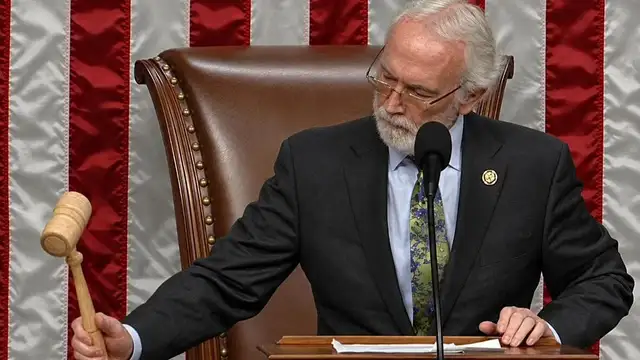
Pete Hegseth escapes impeachment as House Republicans block vote over Iran war
Milei government denies Pope Leo XIV's criticism was directed at its economic policies
President Javier Milei's government has rejected suggestions that comments attributed to Pope Leo XIV were intended as criticism of the administration's economic and social policies. The dispute followed reported remarks in which the pontiff emphasised the importance of protecting vulnerable people, strengthening education and ensuring that economic policies serve human dignity. One statement attributed to the pope said: "The economy must be at the service of the person, and not the person at the service of the economy." The statement attracted attention because Milei's government has pursued a programme of fiscal austerity, deregulation and reductions in public expenditure. The pope was also reported to have called for stronger support for education, universities and scientific research, alongside greater care in public discourse and the avoidance of language that deepens social divisions. Some political observers interpreted the remarks as an implicit challenge to the government's approach to economic management and public services. However, officials at Casa Rosada, Argentina's presidential headquarters, rejected that interpretation. A senior government source told La Nación on November 10 that the pontiff's comments reflected Catholic social teaching rather than a direct intervention in Argentine politics.
This story is written and edited by the Global South World team, you can contact us here.