As Argentina food prices soar, more people scavenge to survive
As Argentina food prices soar, more people scavenge to survive
By Miguel Lo Bianco
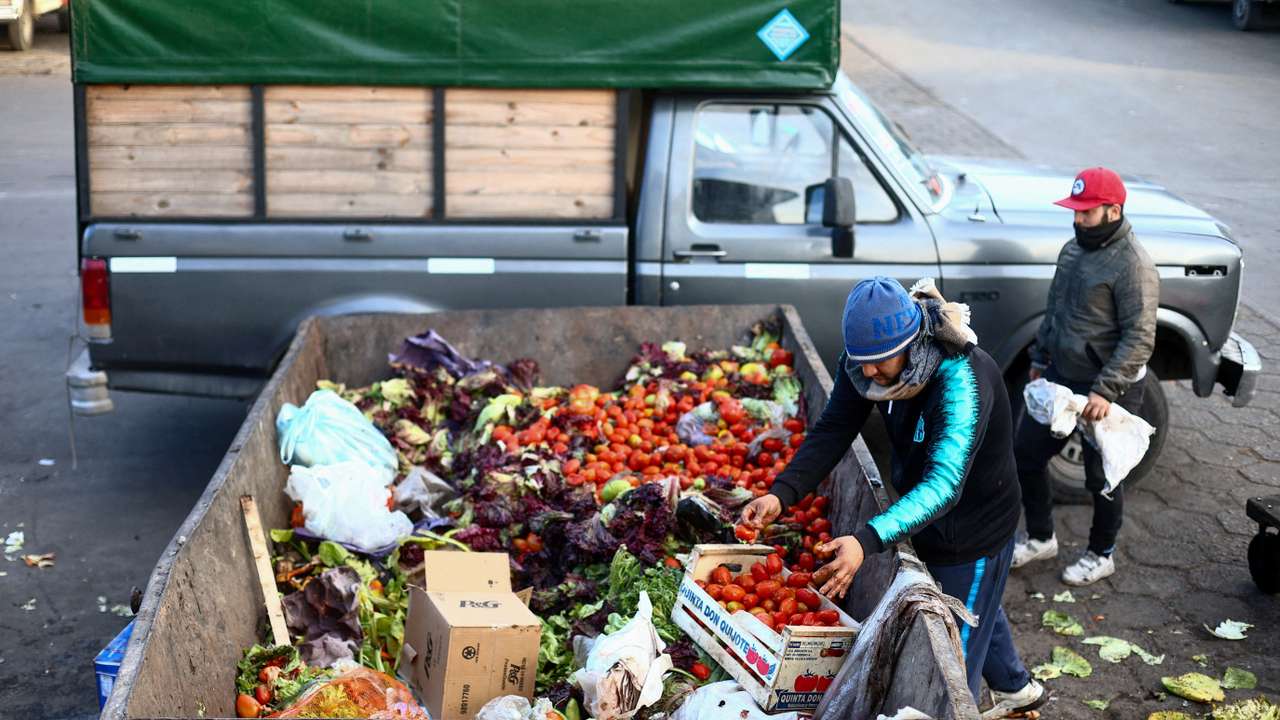
Sandra Boluch, a fruit and vegetable seller in Buenos Aires, is seeing a worrying trend as inflation soars over 250%: sliding sales and more people scavenging for what she throws away, hoping to find enough for a meal.
The South American country is going through its worst economic crisis in decades, with the new government of libertarian Javier Milei trying to slay triple-digit inflation with tough austerity, a move that is boosting the state's finances, but is squeezing people hard.
RECOMMENDED FOR YOU
Delcy Rodríguez says Venezuela will hold elections but gives no date
A report last month suggested poverty was nearing 60% from 40% a year earlier, putting pressure on Milei's reform plans and spending cuts to show quick results as anger simmers around the country and people tighten their belts trying to survive.
"We have some containers in the back where the garbage is disposed of and when you go with a box, you see 20 people coming up to you to see what they can take as a plate of food to their table," said Boluch, adding it had happened before but she was now seeing many more people.
"The truth is that it's something very tough, very sad because there are a lot of people and a lot of older people."
Milei, battling an inherited crisis, has rolled out some tough measures to combat it, including painful cuts to state spending, targeting subsidies for things like utilities and transport, while looking to streamline welfare programs.
His government devalued the peso by over 50% in December, which pushed up inflation further. Prices, even in dollar terms, have started to climb, with Argentines of all ilk feeling the pinch.
"It's very severe," added Boluch. "People are taking less amounts, their wallets are really hurting."
The government will release February inflation data later on Tuesday, with estimates the monthly rise will come in around 15.3%, down from over 20% in January and 25% the month before. Annually it will remain above 250%.
However, Milei has said March could be "complicated", and signals in the economy have looked bleak, with tumbling sales, activity and production, even as the austerity measures have squeezed pensions, state salaries and public investment.
RECOMMENDED FOR YOU
Strong winds from DANA Bertha damage homes in Peru’s Tacna region
"The impact of the cost of food is just brutal," said Ines Ambrosini, a 62-year-old who tries to shop in wholesale markets to find deals.
"Everything costs a lot of money, the food, the fruit, the vegetables, the meat, the dairy products. Coming to these markets helps you take care of your wallet a little more."
This article was produced by Reuters news agency. It has not been edited by Global South World.