Children's Day celebrated on different dates across the world
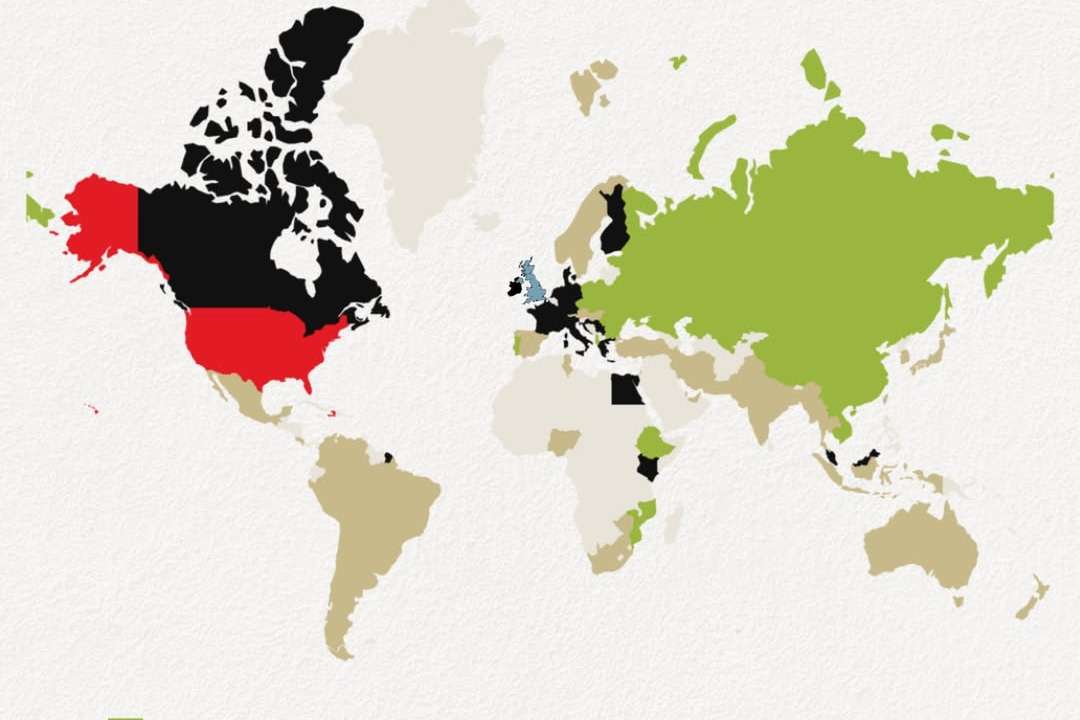
While children are recognised and celebrated worldwide, the date of Children’s Day changes significantly from country to country, reflecting different historical, cultural and political traditions.
Main Points
- November 20 is recognised globally as World Children's Day by the United Nations.
- June 1 is the most common national Children's Day date across many countries in Europe and Asia.
- Governments and UNICEF use the occasion to promote children's rights, education and wellbeing.
While children are recognised and celebrated worldwide, the date of Children’s Day changes significantly from country to country, reflecting different historical, cultural and political traditions.
According to the United Nations and UNICEF, the most widely recognised international observance is World Children’s Day on November 20, marking the anniversary of the UN's adoption of the Declaration of the Rights of the Child (1959) and the Convention on the Rights of the Child (1989). The day is observed globally to promote children's rights, welfare and education.
However, many countries celebrate Children’s Day on their own national dates. A large group of nations, including China, Russia and several countries in Eastern Europe and Central Asia, observe the occasion on June 1, a tradition linked to the International Children's Day first established after World War II.
In North America, the observance differs. The United States celebrates National Children's Day on the second Sunday in June, while Japan marks Children's Day on May 5 as part of its Golden Week holidays. Other countries, including Brazil, India and Australia, have adopted their own national dates through government declarations or cultural traditions.
RECOMMENDED FOR YOU
El Niño could push 49 million more people into acute hunger by 2027, WFP warns
UNICEF estimates that more than 2.2 billion children live around the world today, making child welfare, education and protection key priorities for governments and international organisations. Children's Day events often include school activities, community programmes and campaigns highlighting issues such as education access, health care, child labour and protection from violence.
Despite differing dates, the central message remains the same: recognising children's rights and investing in their future. The UN says ensuring every child has access to education, healthcare and a safe environment remains one of the most important global development goals.