El Niño could push 49 million more people into acute hunger by 2027, WFP warns
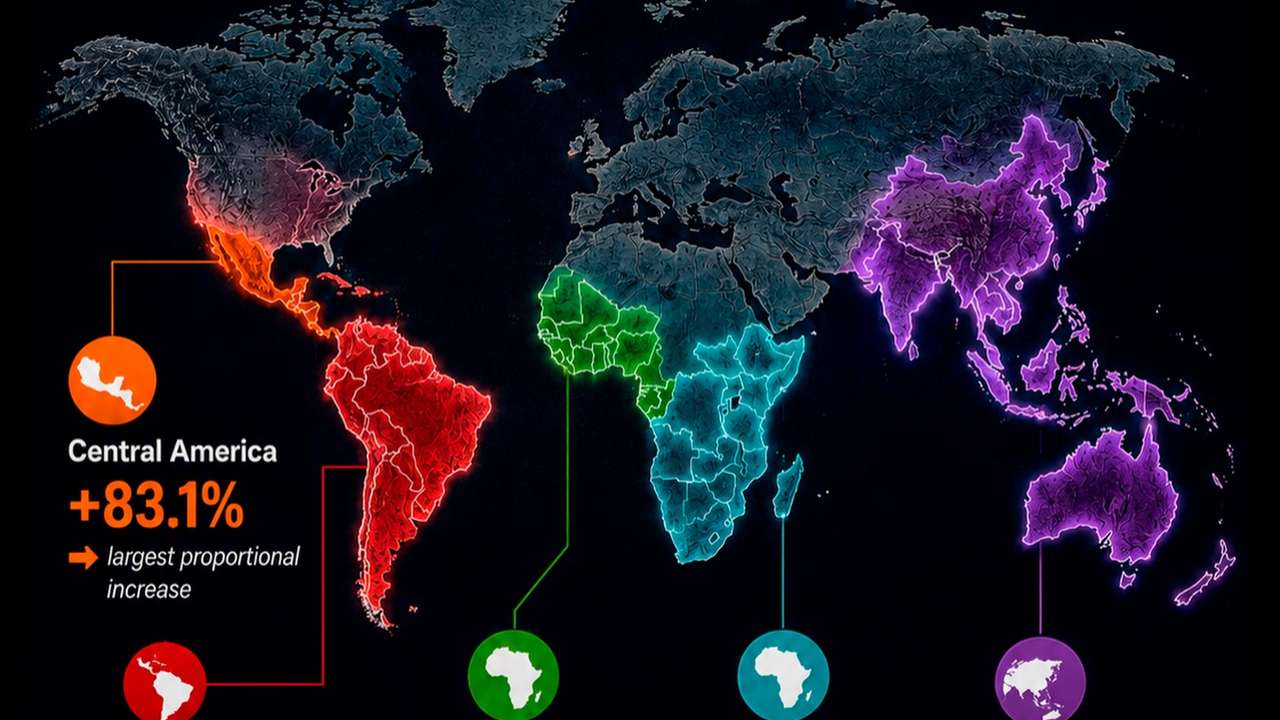
A strengthening El Niño could push about 49 million additional people into acute food insecurity by the end of 2027, with Central America and parts of Africa facing some of the sharpest increases, according to the United Nations World Food Programme.
Key Points
- El Niño could push 49 million more people into acute hunger by 2027
- Central America faces the sharpest projected rise in food insecurity
- Africa could see 24 million more people affected
A strengthening El Niño could push about 49 million additional people into acute food insecurity by the end of 2027, with Central America and parts of Africa facing some of the sharpest increases, according to the United Nations World Food Programme.
WFP analysed 45 vulnerable countries and estimated that the number of people facing acute food insecurity could rise from about 225 million to 274 million, an increase of roughly 22%.
The agency expects El Niño to peak between September and December 2026, but disruptions to rainfall, agriculture and harvests could extend its impact through 2027.
Latin America and the Caribbean could see more than 16 million additional people affected, while Central America could record an 83.1% increase in acute food insecurity, the largest proportional rise in WFP's analysis.
RECOMMENDED FOR YOU

Requena's 101-metre strike tops football's longest goals
El Niño can disrupt normal rainfall patterns, causing drought in some areas and heavier rainfall or flooding in others, threatening crops and rural livelihoods.
Eastern and Southern Africa could add more than 18 million people facing worsening food insecurity, while West and Central Africa could add nearly 6 million.
Many communities in these regions depend heavily on rain-fed agriculture, leaving food production particularly exposed to prolonged drought or disrupted rainy seasons.
WFP estimates that 8.2 million additional people in Asia and the Pacific could face acute food insecurity as El Niño compounds existing economic, climatic and humanitarian pressures.
The agency and the UN Food and Agriculture Organisation are expanding anticipatory measures, including cash assistance, drought- and flood-resistant seeds, livestock protection and improved water access.
WFP said early intervention will be critical. Its projections indicate that 274 million people across the 45 countries studied could face acute food insecurity by the end of 2027 if El Niño's expected effects materialise.
This story is written and edited by the Global South World team, you can contact us here.