Flowers, music and silence mark 20th anniversary of Madrid train bombings
Flowers, music and silence mark 20th anniversary of Madrid train bombings
Spain on Monday marked the 20th anniversary of Europe's deadliest Islamist militant attacks with flowers, music and silence in several ceremonies to remember the train bombings in Madrid.
Ten bombs hidden in sports bags exploded on four packed commuter trains at the height of morning rush hour in Madrid on March 11, 2004, killing 192 people and wounding more than 1,700.
On Monday, church bells tolled in the Spanish capital at 09:00 a.m. local time (0800 GMT) in memory of the victims, before a mass at the Almudena Cathedral.
RECOMMENDED FOR YOU

New Asia Forum: Indonesia to set out progress on sustainable AI data centres
People left flowers and candles at a new monument unveiled at Atocha station, where one of the trains exploded and the other three were heading, and several events to observe a minute's silence were held across the city.
Francisco Alameda, 60, was on one of those trains that day. He told Reuters days before the anniversary that he rushed to help other people as soon as he realised he was not injured.
"The smell of burning flesh has had an impact on me - I can't go to barbecues. There was a sepulchral silence, we didn't speak, we were just helping (the injured)," he said.
King Felipe, Queen Letizia, Prime Minister Pedro Sanchez and EU Commissioner for Home Affairs Ylva Johansson attended an event held at Madrid's Royal Collections Gallery. People left messages at a commemorative olive tree at the museum.
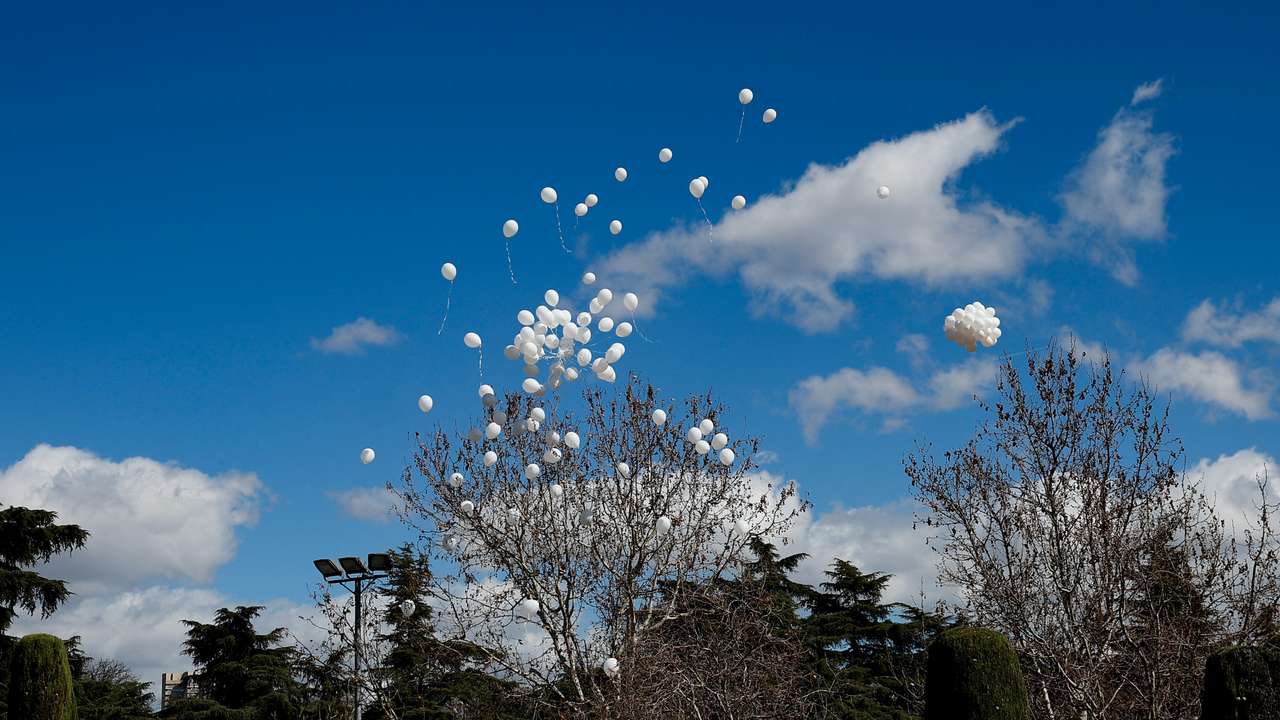
People left white daisies and music was played at Retiro park, where 192 trees were planted after the attacks to remember the victims.
The attacks came three days before a general election in which Spaniards voted out the conservative People's Party that backed of the U.S.-led war in Iraq.
Senior politicians wrongly pinned the blame on Basque separatist group ETA at first. However, Islamist militants said in a video message the bombings were revenge for Spain sending troops to Iraq and Afghanistan. The attacks polarised Spanish society.
"March 11 has been used so many times that is has turned into a weapon to attack each other but the victims are completely detached from that. Nobody cares about the victims," Angel de Marcos, 65, who was at the station that day, told Reuters.
RECOMMENDED FOR YOU
A wake-up call: The countdown for Latin American democracy — Opinion
Three weeks after the attack, seven men including two suspected ringleaders blew themselves up in an apartment in the outskirts of Madrid as police closed in on them. The blast killed a policeman.
This article was produced by Reuters news agency. It has not been edited by Global South World.