How Africa is affected by climate change despite low CO2 emissions
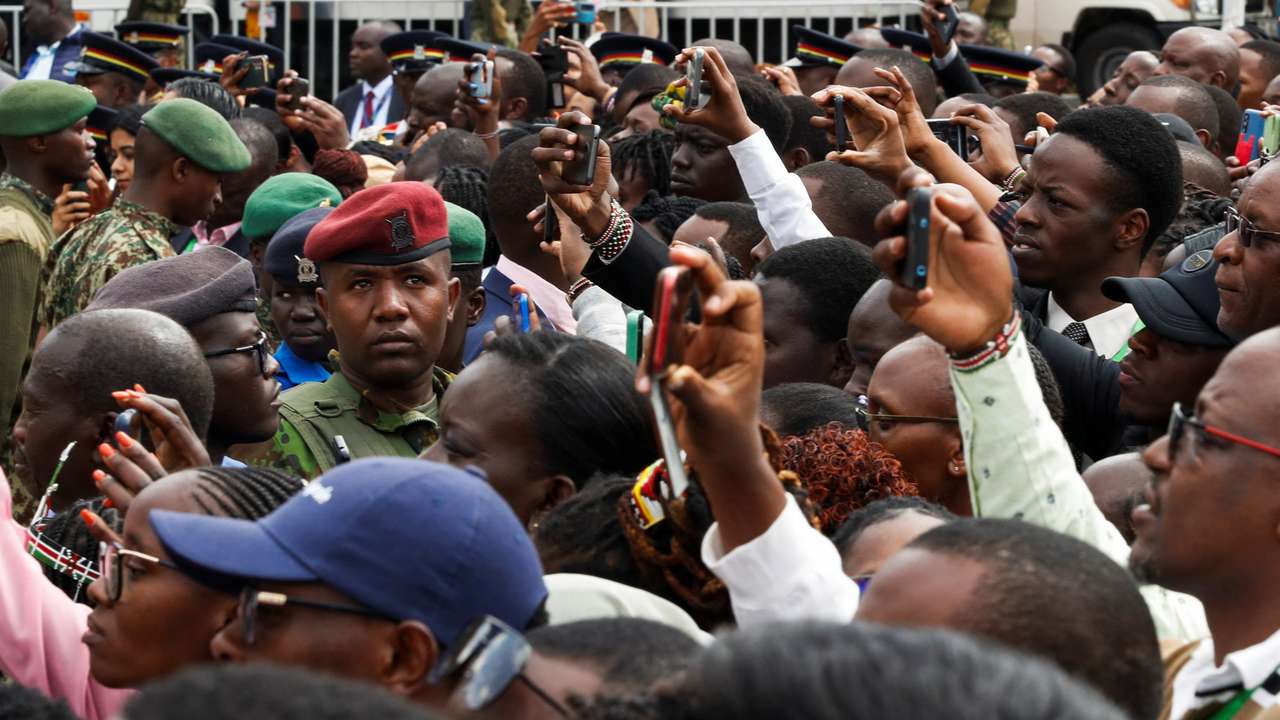
Africa is the most vulnerable continent to climate change, despite making the smallest contribution to global greenhouse gas emissions. The disastrous effects of climate change, such as harsh weather, droughts, floods, and rising sea levels, are already being felt throughout the continent.
Africa contributes less than 10% of the world's greenhouse gas emissions, but it suffers disproportionately from climate change, according to the World Meteorological Organisation.
In recent decades, Africa's rate of temperature rise has intensified, and weather and climate-related dangers have gotten worse. Africa's nations are seriously threatened by climate change, but notably its fragile and conflict-affected governments.
According to a 2022 study published by Christian Aid, a UK charity organisation providing support to individuals in poverty-stricken regions, African nations, which are the least responsible for the global climate issue, could see their GDP growth rate decline by as much as 64% by the end of the century.
Africa's growth and progress are threatened by climate change. It is making poverty, hunger, and conflict worse. Additionally, it undermines the continent's efforts to meet the Sustainable Development Goals.
RECOMMENDED FOR YOU
Six countries account for three-quarters of Europe’s unicorn startups
Effects
The United Nations Framework Convention on Climate Change (UNFCCC) states that up to 118 million extremely poor people on the continent will be exposed to drought, floods, and high heat by 2030. It is upsetting lives and the economy. This will obstruct efforts to reduce poverty and promote growth.
According to the African Development Bank Group, Africa has lost between 5 and 15% of its GDP per capita growth as a result of climate change and its consequences.
Additionally, recent Country Climate and Development Report (CCDR) for the G5 Sahel countries and upcoming assessments on Cameroon, Ghana, and other African nations, climate change might result in GDP losses of 2–12% annually by 2050, pushing millions more people into poverty. If nothing is done, 13.5 million additional people in the Sahel region may become impoverished by 2050. The study also shows that the best method of coping with climate change and the greatest plan for achieving development objectives is implementing reforms for quick, robust, and inclusive growth.
What is Africa doing to fight the climate crisis?
In an effort to meet its target of using 52% renewable energy by 2030, according to research by Climate Home News, Morocco has reportedly constructed the largest concentrated solar facility in the world. Noor, a cutting-edge 6,000-acre solar complex, offers crucial employment possibilities as Morocco shifts away from the fossil fuel industry while providing sustainable electricity for about 2 million Moroccans.
Jean-Paul Adam, Director of Technology, Climate Change and Natural Resources Division at the UN Economic Commission for Africa, said at the COP26 in 2021 that, “African nations are taking initiative, pledging to switch to renewable energy sources and investing in their own resilience. Numerous nations already have a net positive balance and absorb more emissions than they produce. African nations have high goals for the low-carbon development strategies they want to use.”
According to the World Economic Forum, boosting climate-smart agriculture to sustain food security is seen as a key strategy for climate adaptation since countries have been dealing with a growing food security dilemma for the past ten years, which has been made worse by the sharp recent increase in energy and fertilizer prices. In response, the World Bank is increasing its financing by $17.7 billion across sub-Saharan Africa - including $5.1 billion in new commitments - to promote food production, improve the resilience of food systems, facilitate trade, develop inclusive value chains, and aid vulnerable households and producers.
RECOMMENDED FOR YOU

Olympic flame arrives on African soil for first time as Senegal begins Dakar 2026 countdown
Additionally, 4 million people will be reached by the West Africa Food System Resilience Program, which will also enhance yield production through climate-smart agriculture.
What Africa expects from the world in its fight against climate change
African leaders have called for fair and ambitious climate action from the rest of the world to honour their commitments under the Paris Agreement and take urgent and decisive steps to reduce their greenhouse gas emissions and limit global warming to 1.5°C above pre-industrial levels according to their Nationally Determined Contributions (NDCs).
The Paris Agreement reaffirms that wealthier nations should take the lead in giving financial support to less affluent and more vulnerable nations and also encourages voluntary contributions from other parties, acknowledging that to mitigate the negative effects and adapt to a changing environment, large financial resources are required.
Similarly, international bodies like the European Union (EU), are obligated to continually provide funds for projects like the fully solar-powered market hall recently opened in Alexandria Egypt, to support the country’s transition from fossil fuel to clean renewable energy.
