How often should you wash your clothes?
Washing clothes after every wear may feel like good hygiene, but experts say many people are overdoing it, with consequences not just for their wardrobes, but for the environment.
Washing clothes after every wear may feel like good hygiene, but experts say many people are overdoing it, with consequences not just for their wardrobes, but for the environment.
New guidance based on clothing type and usage suggests that while some items require washing after every use, others can be worn multiple times without risk, challenging long-held habits around cleanliness.
According to hygiene experts and industry bodies, frequency depends largely on how close garments sit to the skin and how much they absorb sweat.
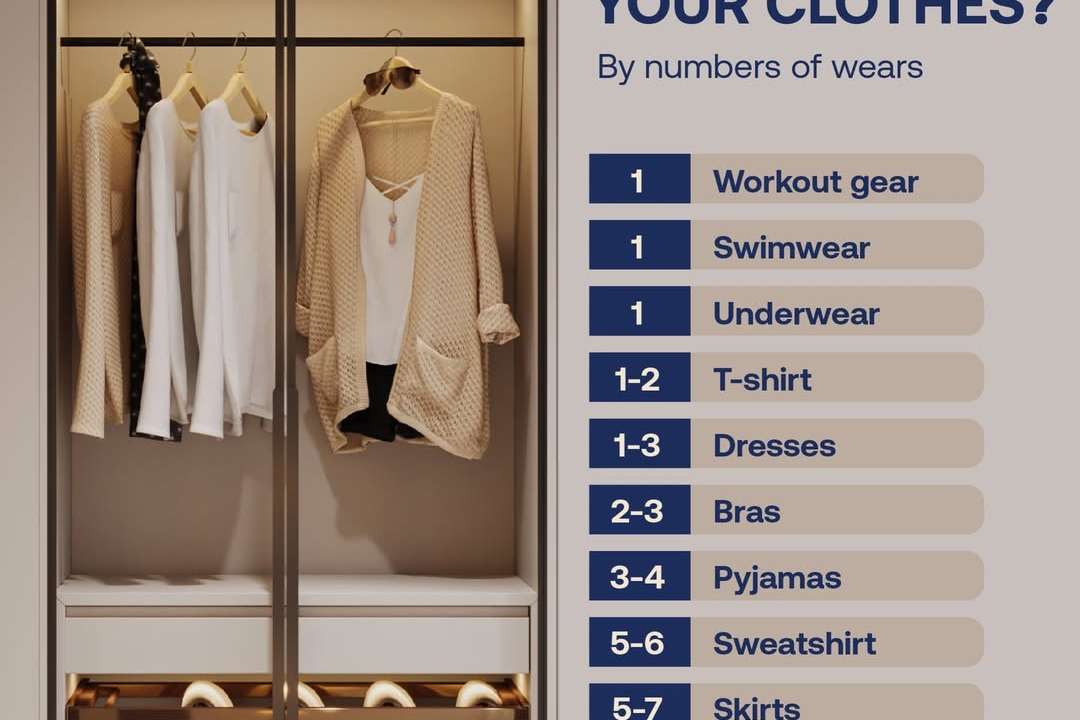
The American Cleaning Institute (ACI) recommends washing underwear, swimwear and workout gear after every use, due to direct contact with sweat and bacteria.
RECOMMENDED FOR YOU

More than 6 billion people are now online as global internet access reaches new high
Similarly, the Cleveland Clinic notes that tight-fitting garments trap moisture and microbes, increasing the risk of skin irritation or infections if not cleaned regularly.
But beyond these categories, the rules change.
- T-shirts: typically after one to two wears
- Dresses: after one to three wears, depending on exposure
- Bras: every two to three wears
- Pyjamas: after three to four wears
- Sweatshirts and skirts: around five to seven wears
- Jeans: up to 10 wears unless visibly dirty
The environmental cost of overwashing
Here’s the part most people overlook: frequent washing has a measurable environmental impact.
The Ellen MacArthur Foundation, through its A New Textiles Economy initiative, estimates that clothing production and use contribute significantly to global carbon emissions, water use and microplastic pollution.
Washing, drying and ironing alone account for a substantial share of a garment’s lifecycle impact.
Every additional wash increases water consumption, energy use and microfibre pollution, particularly from synthetic fabrics.
What this really means is that simply wearing clothes longer between washes can reduce environmental damage without compromising hygiene.
RECOMMENDED FOR YOU
Asia produces the largest share of global GDP