How weak currencies threaten high cost of living in Africa
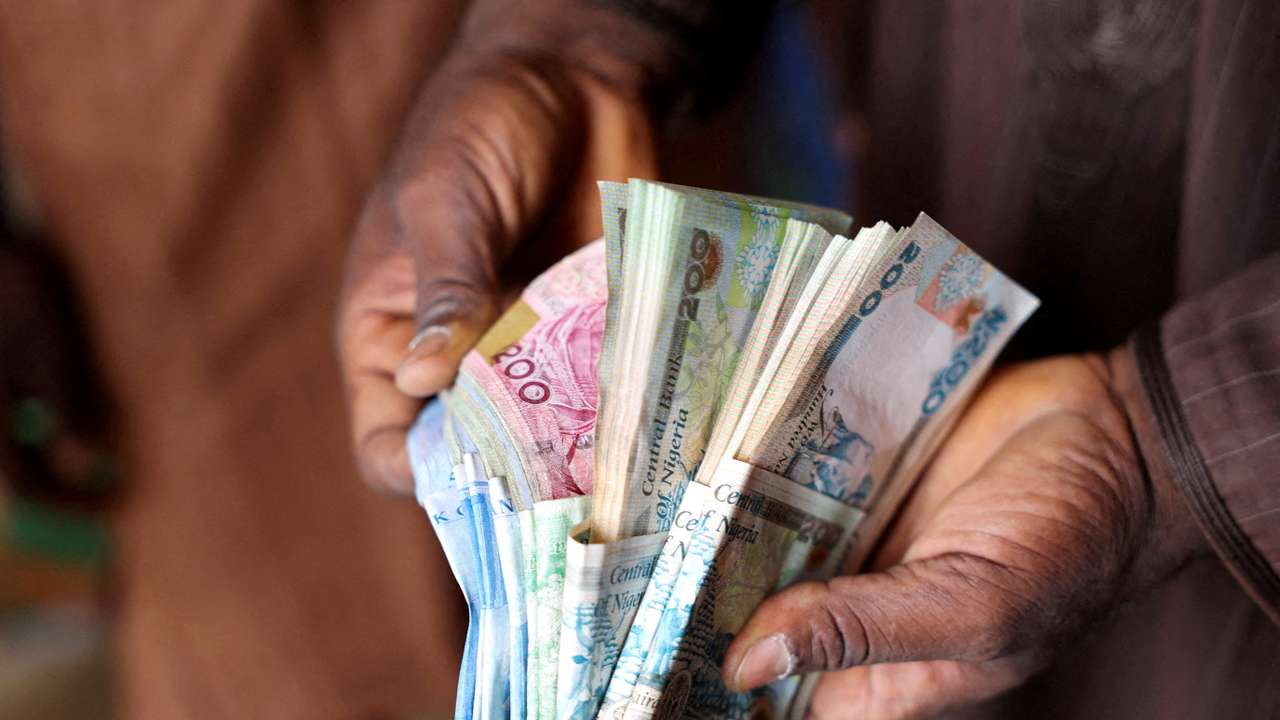
The rising cost of living expenditure in many sub-Saharan African countries has been attributed to weak currencies in respective nations in the region, amid prospects of growing viable economies.
Many countries in the region including Nigeria, Angola and Ghana are experiencing a major dip in their currencies, which has increased the cost of living, a report by The Star indicates.
“Customers that used to buy 1kg of fish or chicken now ask for half a kilo… the bigtime customers I usually supply 3-4kgs, now they barely buy 1kg,” a frozen foods business owner in Lagos, Nigeria told The Star.
She added “I feel reluctant to come to the shop because of the soaring prices of food. Frozen chicken now costs about 3,400 naira ($4) per kilo,” which represents a significant increase of about 26% as compared to some three months ago.
A report by the World Bank in October revealed that not only did the two dominant oil producers - Nigeria and Angola - fall significantly in currency ratings but in the same period, other countries experienced similar depressive notes with their currency.
RECOMMENDED FOR YOU
Six countries account for three-quarters of Europe’s unicorn startups
The statistics published indicated that South Sudan’s currency dipped by 33%, Kenya’s by 16%, Zambia and Ghana by 12%, and the Democratic Republic of Congo by 18% amongst others.
The World Bank explained that Nigeria lost about 40% of the naira’s value against the dollar between December 2022 and September 2023 due to “the central bank's decision to remove trading restrictions on the official market." That notwithstanding, the managers of the country’s economy remain hopeful and poised to restore strength in the naira.
"For the kwanza, it was the decision of the central bank to stop defending the currency as a result of low oil prices and greater debt payments," the report further stated.