Indonesia tops global tax transparency ranking
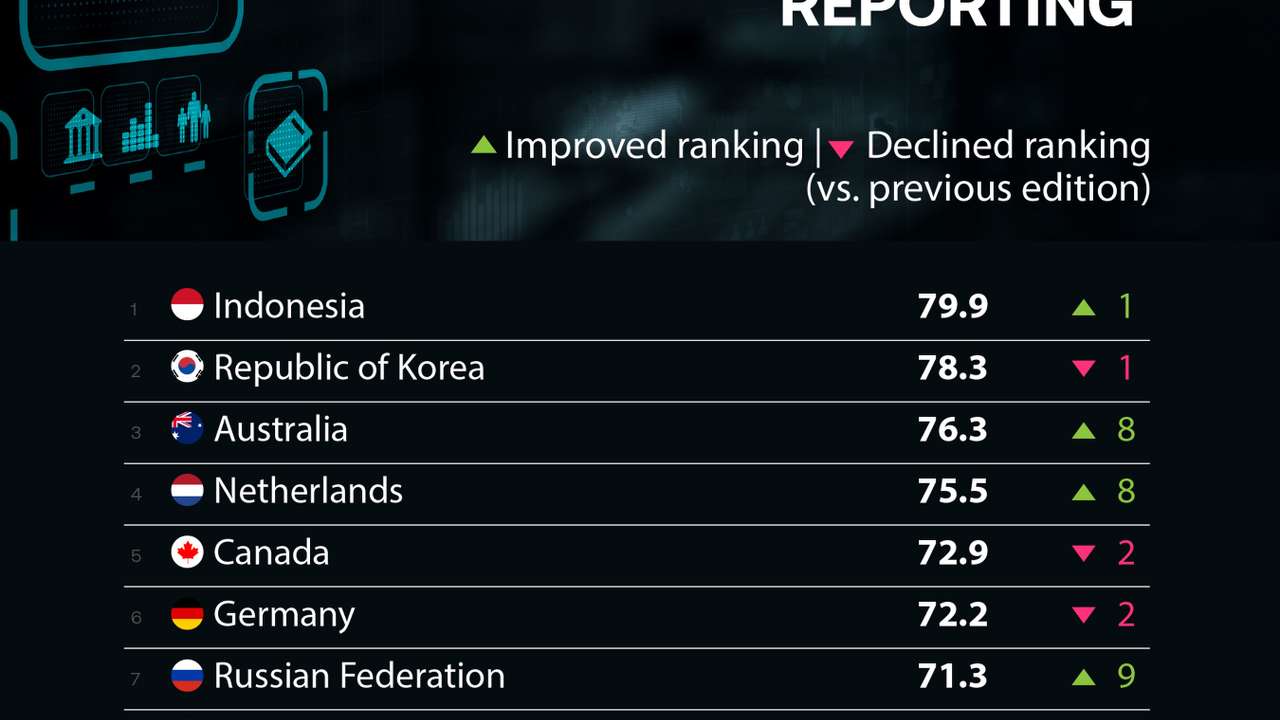
Indonesia has been ranked the world's most transparent country for reporting tax expenditures, according to the latest Global Tax Expenditures Transparency Index (GTETI), overtaking South Korea to claim first place with a score of 79.9 out of 100.
Indonesia has been ranked the world's most transparent country for reporting tax expenditures, according to the latest Global Tax Expenditures Transparency Index (GTETI), overtaking South Korea to claim first place with a score of 79.9 out of 100.
The index, published by the Global Tax Expenditures Lab (GTEL), evaluates how governments disclose tax expenditures, including tax exemptions, deductions, credits and reduced tax rates. These measures represent government revenue forgone through the tax system and are widely used to support economic sectors, investment and social policy.
Indonesia climbed one place from the previous edition to lead the global rankings with 79.9 points, narrowly ahead of the Republic of Korea, which scored 78.3 after slipping from first place.
Australia recorded one of the greatest improvements, rising eight places to third with 76.3, while the Netherlands also climbed eight positions to fourth on 75.5. Canada completed the top five with 72.9, despite dropping two places.
RECOMMENDED FOR YOU
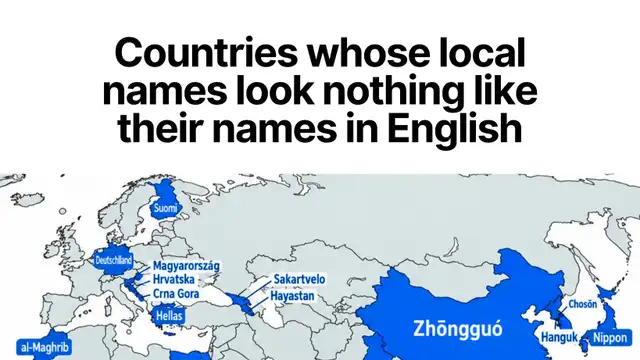
From Suomi to Zhongguo, why some countries have completely different names at home
Germany ranked sixth with 72.2, followed by the Russian Federation on 71.3. Benin emerged as Africa's highest-ranked country, placing eighth globally with 71.0, while France and Brazil rounded out the top ten with 68.9 and 68.8, respectively.
Unlike broader tax competitiveness rankings, the GTETI focuses exclusively on transparency. It assesses whether governments publish comprehensive information about tax expenditures, including their legal basis, estimated fiscal cost, policy objectives, beneficiaries and regular evaluations.
The index examines five key dimensions: institutional frameworks, the quality and scope of reporting, accessibility of information, oversight and accountability, and the use of evaluations to determine whether tax incentives achieve their intended goals.
According to the Global Tax Expenditures Lab, transparent reporting allows governments, legislators and the public to better understand the true cost of tax incentives and whether they deliver value for money.
Tax expenditures can amount to several percentage points of a country's gross domestic product and often rival direct government spending in size. Yet many governments still provide limited public information on these measures.
The GTETI argues that stronger reporting improves fiscal accountability, supports evidence-based policymaking and helps governments assess whether tax incentives remain justified over time.
This story is written and edited by the Global South World team, you can contact us here.