LIVE: Vote counting is ongoing across Costa Rica while preliminary results are awaited
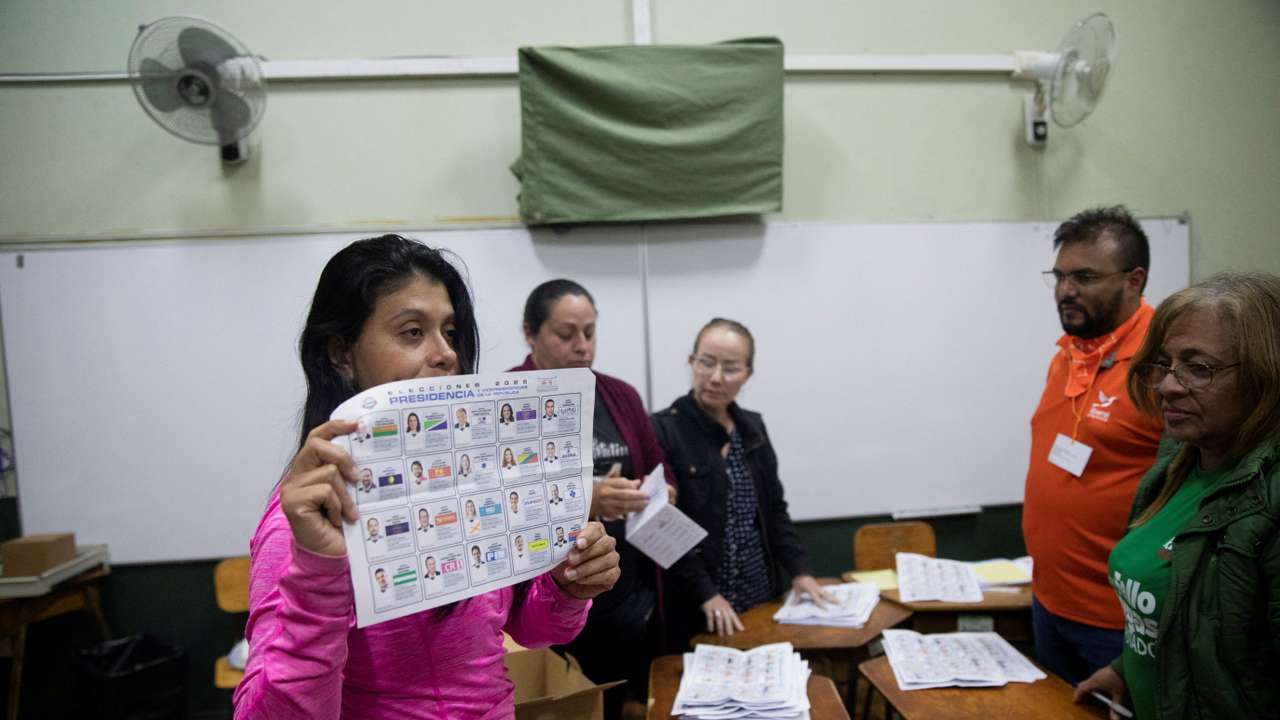
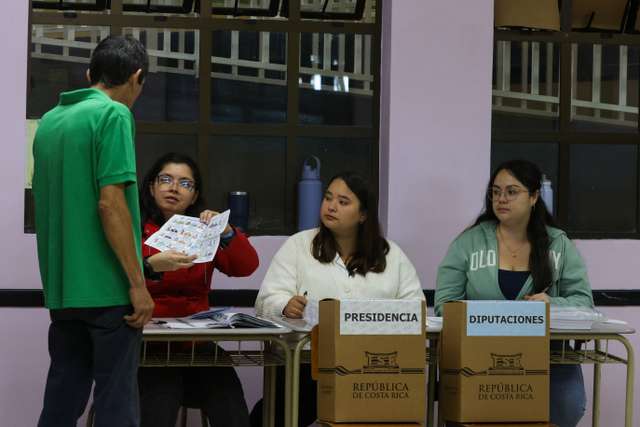
Costa Rica enters election day with around 3.7 million voters facing a pivotal choice over security policy, economic management, and the future of its traditionally stable democratic model.
LIVE UPDATES
This concludes our live coverage of Costa Rica’s general election, a closely watched vote shaped by concerns over security, political fragmentation and institutional trust. Follow Global South World for continued updates as results are finalised and the country moves into the next phase of the electoral process.
01:00 GMT: Vote counting continues across multiple precincts as ballots are tallied.
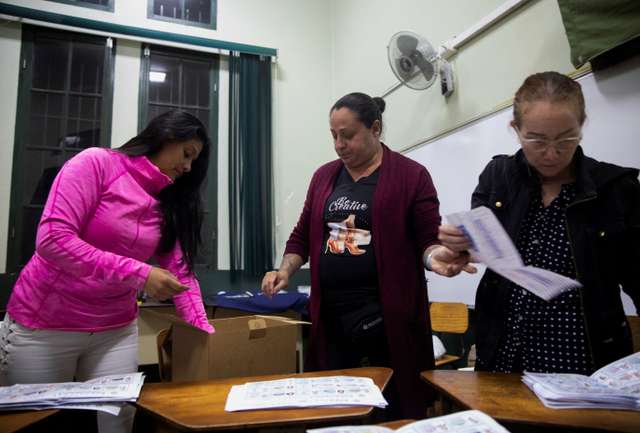
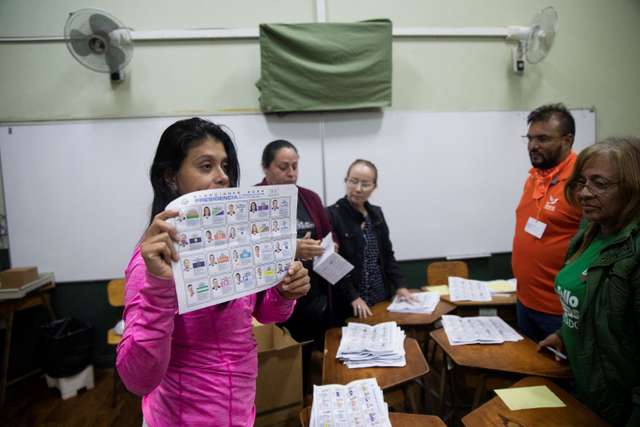
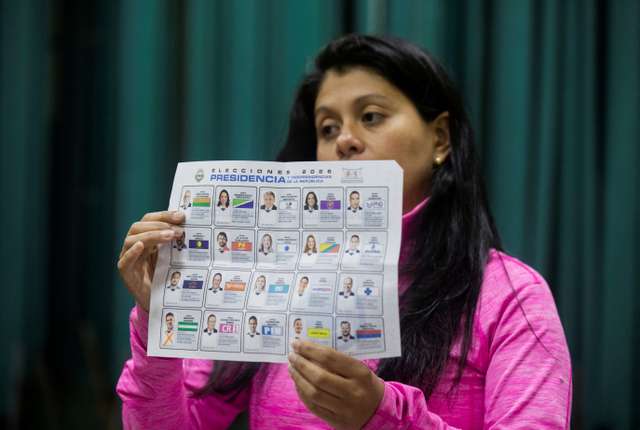
00:00 GMT: Polls close across Costa Rica, marking the end of voting in a closely watched presidential and legislative election as the vote count begins.
22:40 GMT: Polling stations reported heavy turnout as ballot boxes filled up with only hours left before voting closed.
RECOMMENDED FOR YOU
‘Not a licence for impunity’ - Colombia allows police intervention at universities
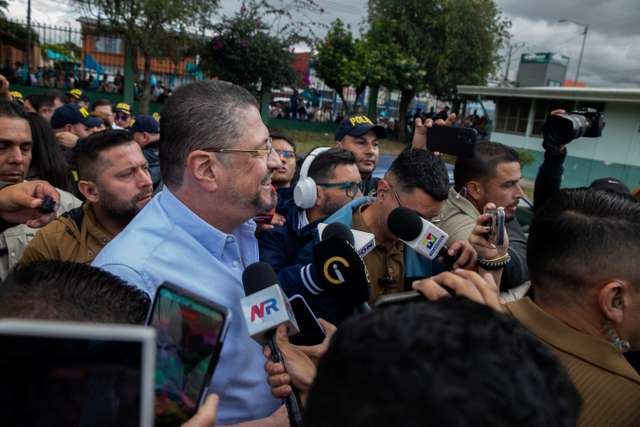
20:45 GMT: Costa Rican President Rodrigo Chaves cast his ballot as voting continued nationwide.
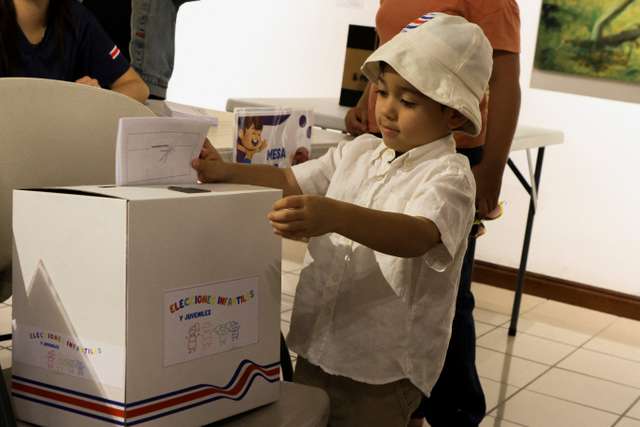
20:32 GMT: Children take part in a symbolic election at the Children's Museum during Costa Rica's general election day in San Jose.
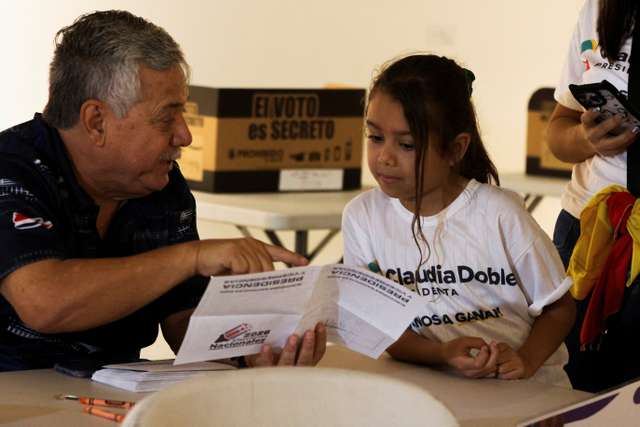
20:15 GMT: Costa Rica’s Supreme Electoral Tribunal said voting was proceeding normally, adding there were no reports of violence at polling stations so far.
19:00 GMT: Costa Rican President Rodrigo Chaves was seen surrounded by supporters of the Sovereign People’s Party, reacting with gestures amid cheers and boos, in a moment captured on video.
17:35 GMT: The election observation mission deployed across designated monitoring routes nationwide as voting continued.
17:10 GMT: Presidential candidate Álvaro Ramos of the National Liberation Party (PLN) casts his ballot during Costa Rica’s general election.
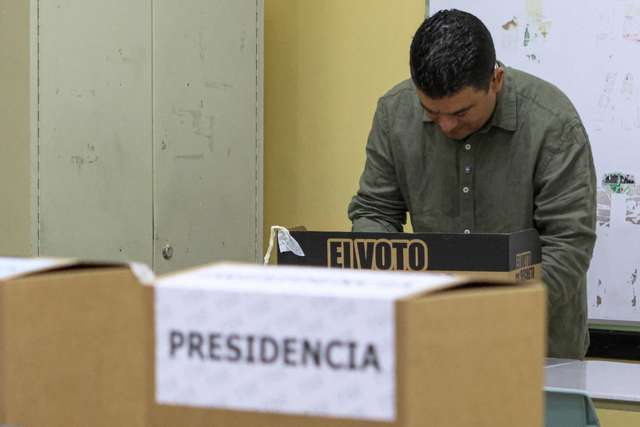
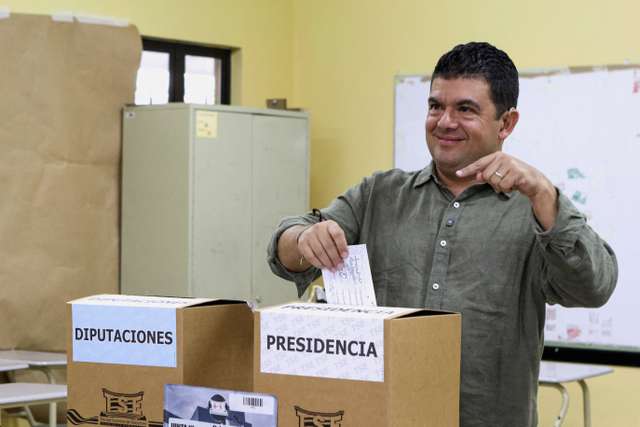
16:30 GMT: Ariel Robles, presidential candidate of the Broad Front (Frente Amplio), cast his vote in Pérez Zeledón and is moving toward Cartago.
15:50 GMT: Claudia Dobles, presidential candidate of the Citizen Agenda Coalition (CAC), cast her vote and urged Costa Ricans to go out early and participate in the democratic process, saying the future of the country is in their hands. She also noted early reports from voting stations in Australia showed her winning at some polls there.
RECOMMENDED FOR YOU
Zelensky seeks more foreign funding to cover Ukraine's military spending
15:20 GMT: José Aguilar Berrocal, presidential candidate for the Avanza Costa Rica Party, cast his vote and said his campaign had been a success, urging voters to back unity, change, and support for entrepreneurs while rejecting higher taxes and bureaucracy.
14:50 GMT: Former Costa Rican president José María Figueres cast his vote and spoke about national unity in defending the country’s democracy.
13:40 GMT: Costa Rican presidential candidate Laura Fernández called on voters to back the country’s “project of change”.
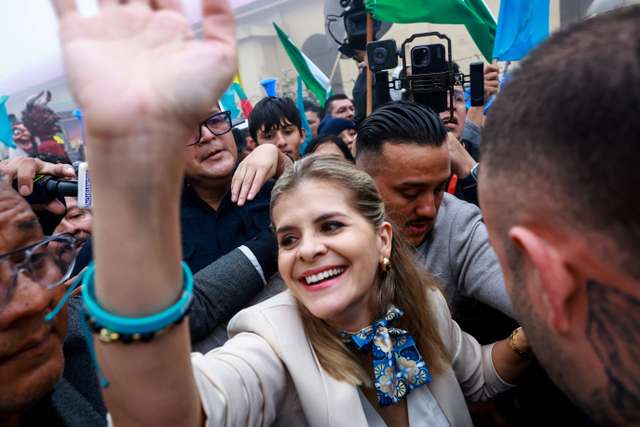
13:30 GMT: Presidential candidate Laura Fernández of the Sovereign People’s Party (PPSO) casts her vote at a polling station.
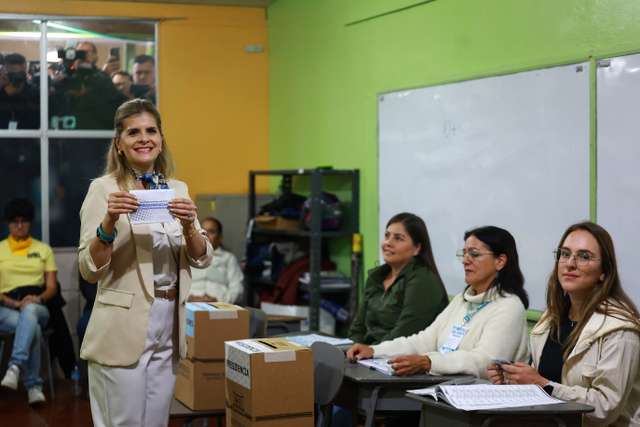
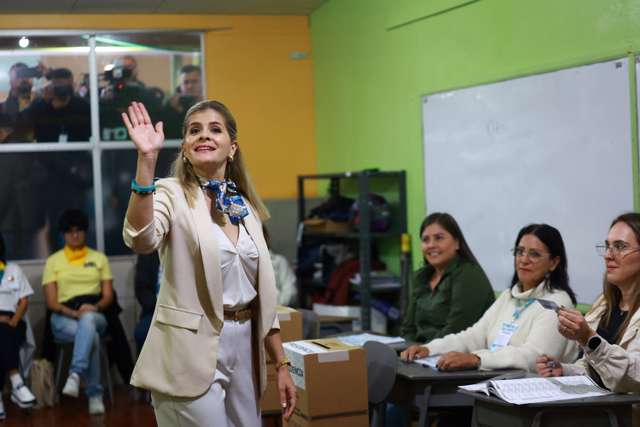
12:00 GMT: Voting begins across Costa Rica
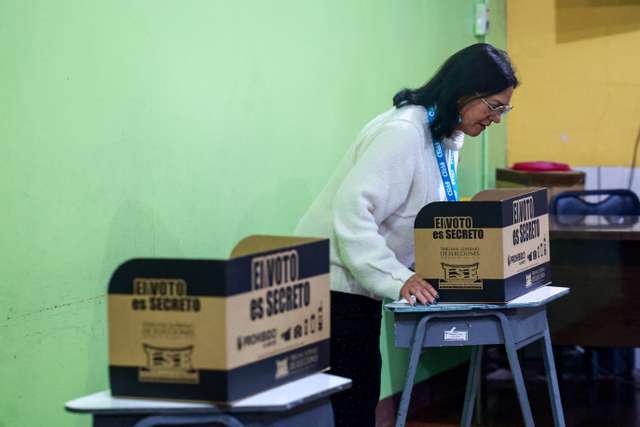
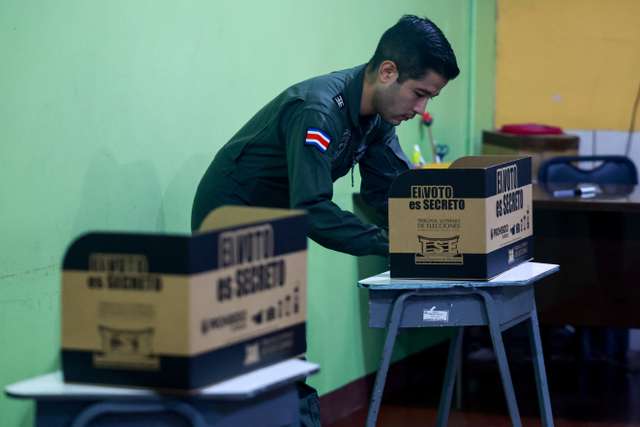
The voting process is set to run for 12 hours on election day, with polls expected to open at 6 AM local time (12 PM GMT) and close at 6 PM local time (12 AM GMT).
RECOMMENDED FOR YOU
Olympic flame arrives on African soil for first time as Senegal begins Dakar 2026 countdown
What to know
On February 1, Costa Rica holds its general election where voters choose a new president, two vice-presidents and all 57 members of the Legislative Assembly. If no presidential candidate wins at least 40 % of the vote in the first round, a runoff is expected on 5 April 2026. Voting is voluntary, but turnout has traditionally been high compared with regional averages. Eligible voting age is 18 and above.
The election comes amid rising public concern over security, driven by increases in homicide rates and organised crime, issues once rare in what’s been seen as one of Latin America’s most stable democracies. Security, economic pressures, and confidence in political institutions are central themes shaping voter attitudes.
The political landscape is highly fragmented. Around 20 presidential candidates compete, but only a few gain significant traction, leaving a large share of undecided voters and making outcomes uncertain.
Front-running candidates & proposals
- Laura Fernández (Partido Pueblo Soberano — PPSO): Leads in polls near the 40 % mark, potentially enough to win outright. She promotes continuity of President Rodrigo Chaves' policies, including a tough stance on organised crime, strengthening national security and justice systems, attracting foreign investment, and modernising infrastructure.
- Álvaro Ramos (National Liberation Party — PLN): Represents a more traditional party alternative. His focus includes security reform using technology (“smart-security”), recruiting more police, improving public services (healthcare, social security) and enhancing public-private partnerships for sustainable growth.
- Ariel Robles (Broad Front — FA): On the centre-left, he emphasises reducing inequality, expanding access to quality education, and promoting environmental sustainability tied to integrated development plans.
- Claudia Dobles (Citizen Agenda Coalition — CAC): A visible voice advocating increased education investment, technological modernisation of schools, and strategic public safety measures linked with community initiatives.
According to the country’s constitution, voting is defined as a “compulsory civic function.” However, there are no legal penalties for individuals who choose not to participate in the electoral process.
More than 3.7 million Costa Ricans are eligible to vote. Despite this, public sentiment toward the election appears muted. A poll conducted on January 21 by the University of Costa Rica’s Centre for Political Research and Studies (CIEP) reported that nearly 79% of respondents felt little or no enthusiasm about the campaigns.
However, the same survey revealed a more nuanced outlook on voter participation. Over 57% of those surveyed indicated they were motivated to vote, while 19.5% expressed no desire to participate.
The most recent CIEP poll, released on January 28, shows that 43.8% of respondents intend to vote for Fernandez. This level of support could allow him to secure a first-round victory, avoiding a runoff. Such outcomes are rare in Costa Rica’s recent electoral history.
Ramos ranks second in the poll with 9.2% support, followed by Dobles at 8.6%. Robles is in fourth place with 3.8%. Meanwhile, the percentage of undecided voters stands at approximately 26%, a decrease from 32% the previous week.
RECOMMENDED FOR YOU
Keiko Fujimori leads national drill in Lima ahead of potential 8.8 quake
Although Fernandez leads by a significant margin, political analysts note that upsets remain possible due to the high number of undecided voters and the weakening of traditional political alliances. In 2022, Chaves won the presidency despite having only 7% support in pre-election polling.
Political climate & stakes
Costa Rica’s fragmented political options and high levels of voter indecision reflect broader scepticism toward traditional parties and political leadership, as well as frustration over persistent economic pressures and rising insecurity. Campaign debates have been dominated by security policy, including controversial proposals such as expanding prison capacity, strengthening police powers and tightening criminal controls, measures that have also raised concerns about civil liberties and institutional balance.
Institutionally, the election will test Costa Rica’s consensus-oriented democratic model. With no party expected to secure a legislative majority, the next president is likely to face a fragmented Legislative Assembly, potentially limiting the government’s ability to pass reforms without broad cross-party negotiation. As a result, the composition of parliament and post-election alliances are expected to be as consequential as the presidential outcome itself.
Crime remains a major concern for many voters, as criminal groups compete for control over key cocaine trafficking routes to Europe and the United States. This growing violence has cast a shadow over the Central American country, long known for its appeal as a wildlife tourism destination.
The campaign focused largely on President Chaves, a controversial leader who is ineligible for re-election due to constitutional limits on consecutive terms.
The 2022 election marked a turning point in Costa Rican politics. Chaves, an economist and former World Bank official who left the institution following sexual harassment allegations, won the presidency after tapping into public frustration with corrupt political elites.
Since taking office, Chaves has sought to boost the economy with mixed results, while often clashing with political institutions. His leadership style has been marked by a rejection of established norms and an abrasive tone.
Legal attempts to prosecute Chaves on corruption and election interference charges were blocked by Congress, preserving his presidential immunity. Fernández has stated she would appoint Chaves to her cabinet if elected, which would allow him to maintain immunity beyond his term.
RECOMMENDED FOR YOU
Niger appoints new army chief weeks after failed mutiny
Traditional political parties have faced difficulties in reshaping their platforms. Despite a rise in organised crime and violence during his presidency, Chaves maintains an approval rating of around 50%.
Costa Rica, once considered one of the region’s safest countries, now reports a homicide rate of 16.7 per 100,000 people – the third highest in Central America. Last year, authorities dismantled the so-called South Caribbean Cartel, Costa Rica’s first identified transnational crime group, and arrested a former security minister on U.S. drug trafficking charges.
In response to the violence, Chaves has referenced the security policies of El Salvador’s President Nayib Bukele. He invited Bukele to attend the inauguration of a new prison modelled after El Salvador’s Terrorism Confinement Centre.
This story is written and edited by the Global South World team, you can contact us here.