Lula and Flávio Bolsonaro over economy, crime and personal attacks in final Brazil election debate
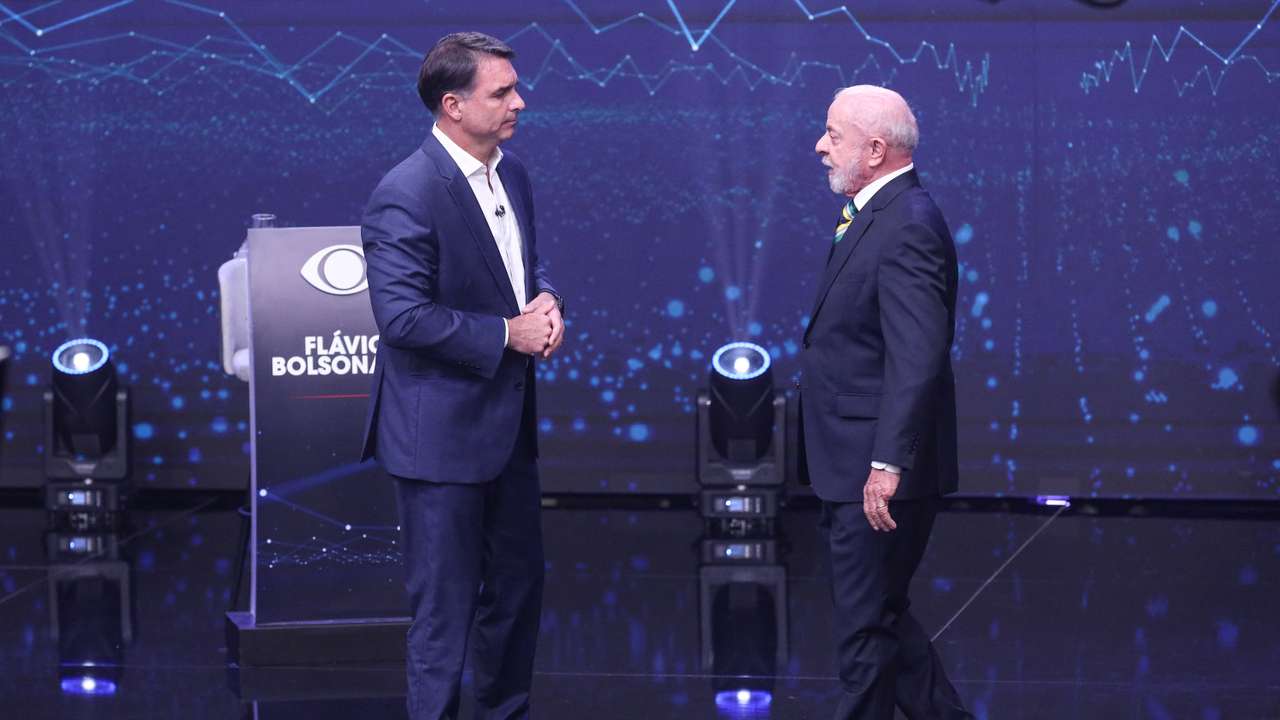
Brazilian President Luiz Inácio Lula da Silva and Senator Flávio Bolsonaro debated economic policy, public security and social spending in their final televised encounter before Sunday’s presidential run-off, although personal insults continued to interrupt the discussion.
Hosted by TV Globo on Friday, October 23, the debate gave the candidates more room to address government policy than their earlier confrontation on Band, which was dominated by accusations and personal attacks.
The broadcaster’s rules required both candidates to discuss challenges facing different regions of Brazil, alongside infrastructure, healthcare, education and public security. However, many of their proposals remained broad and lacked detail.
Economy takes centre stage
Bolsonaro, the Liberal Party candidate, focused on the rising cost of living and financial pressures facing Brazilian households, seeking to link those difficulties to Lula’s economic management.
Lula, of the Workers’ Party, emphasised protecting the purchasing power of workers and pensioners. He suggested that a Bolsonaro administration could end policies providing increases in the minimum wage above inflation and adjustments to pension benefits.
RECOMMENDED FOR YOU
US tops Pakistan’s salt export markets by value
Bolsonaro has denied intending to introduce those changes. The disagreement remained a prominent feature of the debate, reflecting the importance of household income and social benefits in the campaign.
Personal insult prompts apology
Bolsonaro adopted a less confrontational approach than in the Band debate, reducing the mockery that had characterised some of his earlier exchanges with Lula.
However, tensions escalated when he referred disparagingly to Lula having nine fingers. The president was granted a right of reply and demanded an apology, which Bolsonaro gave during the broadcast.
Another confrontation concerned Ana Clara Gomes Machado, a five-year-old girl killed by a rifle shot during a police operation in Niterói, Rio de Janeiro state, in 2021.
Her mother, Cristiane Gomes da Silva, attended the debate at the invitation of Lula’s campaign and sat in the front row.
Lula challenged Bolsonaro over his work as a lawyer representing military police officer Bruno Dias Delaroli, whom prosecutors accuse of firing the fatal shot. Bolsonaro joined the officer’s defence in 2024 and signed an appeal against the decision to send him for trial before a jury.
Bolsonaro expressed sympathy for the girl’s mother but said he believed the officer was innocent. He argued that the death occurred during an exchange of gunfire in an area affected by drug trafficking and said he wanted to help establish who fired the shot.
Delaroli denies the allegation and has not been tried. His trial is scheduled for May 2027. Bolsonaro’s legal representation of the officer does not itself establish responsibility for the alleged crime.
RECOMMENDED FOR YOU
Africa must unite to gain greater influence within BRICS, analyst says
Lula campaign intensifies digital push
Alongside the exchanges on television, Lula’s campaign stepped up its social media activity, producing at least 21 pieces of content for distribution across social platforms and messaging groups during the debate.
A review by GSW Brasil of Lula’s official WhatsApp channel, which has more than three million followers, found that one post about Ana Clara’s death received more than 60,000 shares and 12,000 likes.
Federal lawmaker André Janones took over coordination of the channel during the broadcast. He previously played a significant role in the digital communication strategy behind Lula’s 2022 campaign.
The activity demonstrated the Workers’ Party’s increased emphasis on rapidly circulating debate clips and emotionally resonant issues in the closing stages of the contest.
Although the candidates did not provide detailed answers to every policy question, the Globo format allowed a broader comparison of their priorities before voters return to the polls on October 25.
This story is written and edited by the Global South World team, you can contact us here.

