South Africa to probe alleged suppression of justice in apartheid-era killings
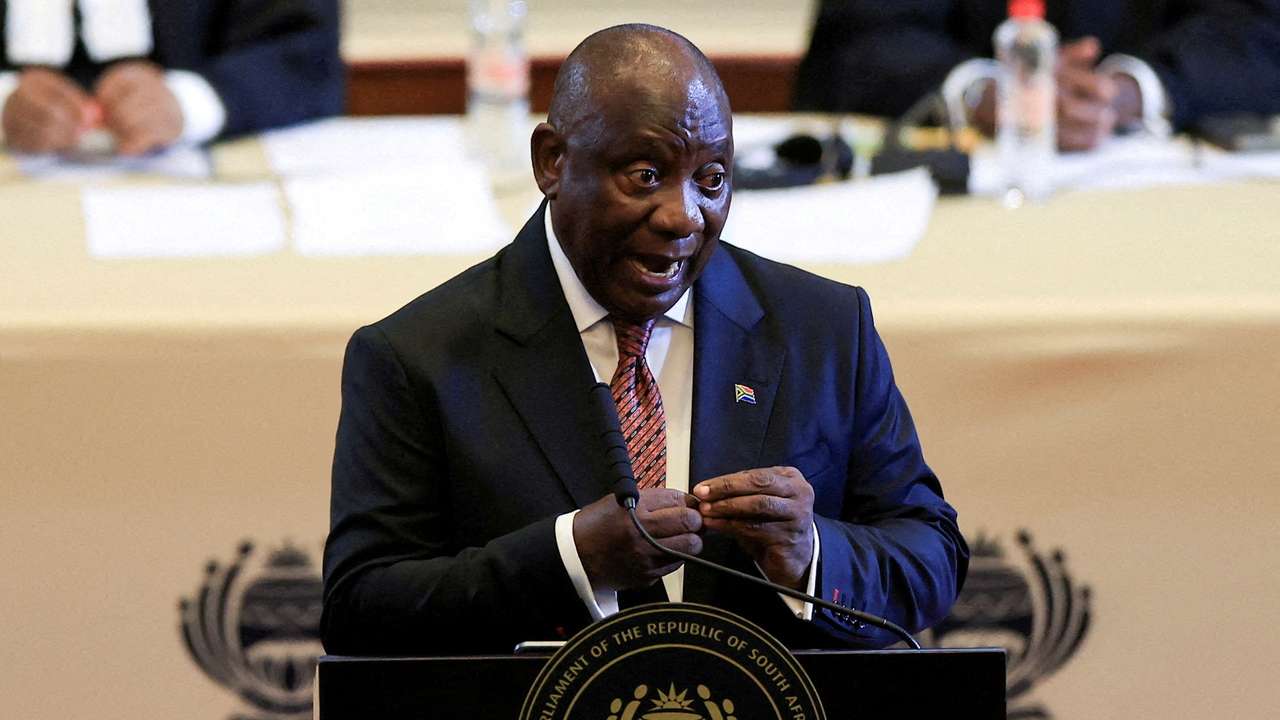
South Africa's President Cyril Ramaphosa is setting up a judicial commission of inquiry to establish whether attempts were made to prevent the investigation or prosecution of apartheid-era crimes, his office said on Wednesday.
The move is the outcome of settlement discussions in a court case brought by families of the victims of political killings and disappearances that happened decades ago, who say post-apartheid governments never properly investigated those crimes.
"Allegations of improper influence in delaying or hindering the investigation and prosecution of apartheid-era crimes have persisted from previous administrations," the presidency said in a statement.
"Through this commission, President Ramaphosa is determined that the true facts be established and the matter brought to finality."
RECOMMENDED FOR YOU
Madagascar's Gen Z 'betrayed' after ushering in new rule
After apartheid ended in 1994, South Africa set up a Truth and Reconciliation Commission (TRC) to help uncover human rights violations perpetrated under white minority rule.
The TRC handed over a list of several hundred cases to state prosecutors for investigation, but many were never pursued.
The 25 family members and survivors who filed the case in a Pretoria court in January are also seeking about 167 million rand ($9 million) from the state in damages.
The government will ask for their application to be suspended pending the commission's findings, the presidency said. It did not give a time frame.
The Foundation for Human Rights, an NGO supporting the families, said that they welcomed the establishment of a commission of inquiry but opposed the president's move to delay a ruling on their damages claim.
"Instead of entering into mediation, he has decided to offload the declaration of rights and constitutional damages onto a commission of inquiry, which has no authority to deal with it," it said in a statement.
This article was produced by Reuters news agency. It has not been edited by Global South World.