The Americas explained: How geography, language and culture redraw the map
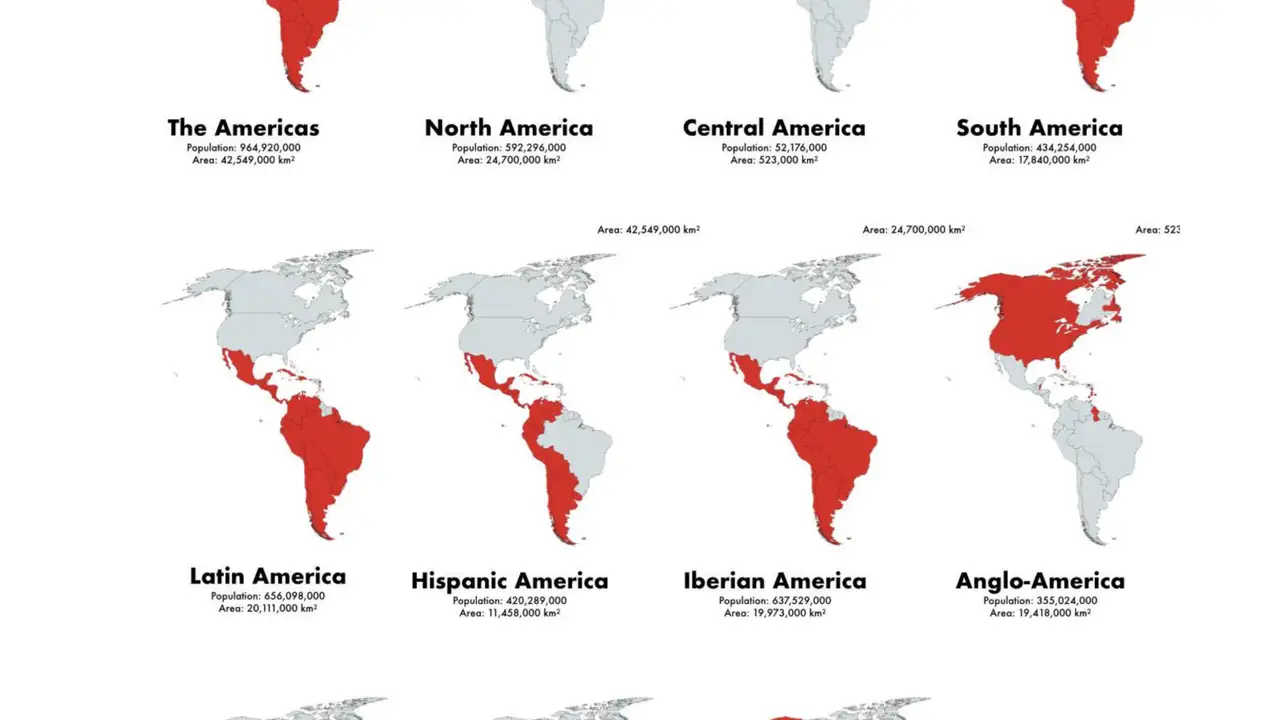
The Americas can be divided in several ways, depending on whether the focus is geography, language or culture. Terms such as North America, Latin America and Hispanic America often overlap, but they do not mean the same thing.
Key Points
- North America includes Mexico, Central America and the Caribbean
- Latin America crosses geographical boundaries
- Hispanic America mainly covers Spanish-speaking countries
The Americas can be divided in several ways, depending on whether the focus is geography, language or culture. Terms such as North America, Latin America and Hispanic America often overlap, but they do not mean the same thing.
The map captures many of these differences, although some of its boundaries and population figures depend on which definition is being used.
Geographically, North America includes Canada, the United States, Mexico, Central America and the Caribbean. The United Nations divides North America into Northern America, Central America and the Caribbean.
One point that often confuses people is Mexico. The UN places Mexico in Central America for statistical purposes, but Central America itself forms part of the wider North American region.
RECOMMENDED FOR YOU
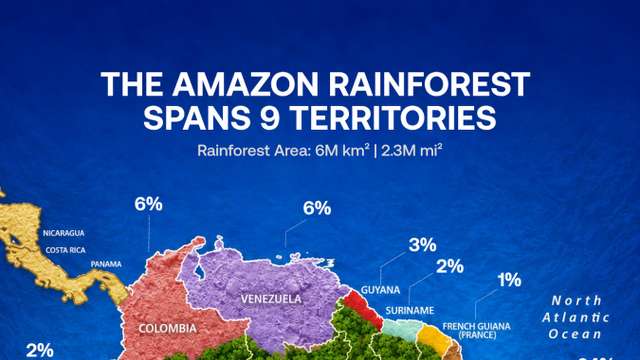
Amazon rainforest spans nine territories, with most of it in Brazil
South America includes countries such as Brazil, Argentina, Colombia, Chile, Peru and Venezuela.
Latin America is not simply another name for South America. It generally covers parts of the Americas where Spanish, Portuguese and, under some definitions, French-derived cultures and languages predominate.
That means Mexico is both North American and Latin American, while Brazil is both South American and Latin American.
The UN uses the statistical grouping Latin America and the Caribbean, covering Central America, South America and the Caribbean.
Hispanic America refers mainly to the Spanish-speaking countries of the Americas. It therefore includes Mexico, Argentina, Colombia and many other countries, but excludes Portuguese-speaking Brazil.
Ibero-America is broader, generally bringing together Spanish- and Portuguese-speaking countries in the Americas. Anglo-America usually refers mainly to English-speaking Canada and the United States.
These labels show why one country can belong to several regions at once. Mexico can be North American, Latin American, Hispanic American and Ibero-American, depending on the context.
The map should therefore be read as a guide rather than a single official division of the Americas. Regional definitions vary, particularly when they are based on language, culture or history rather than physical geography.
RECOMMENDED FOR YOU
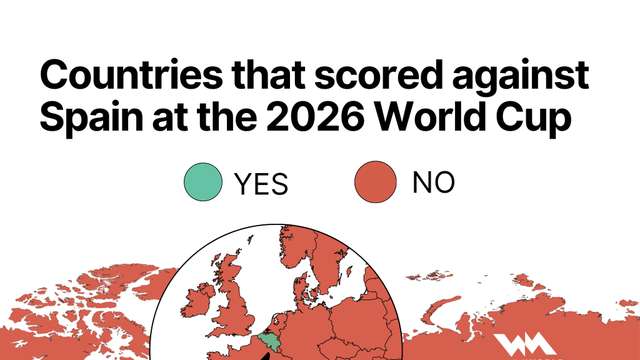
Belgium stands alone as the only team to score against Spain at 2026 FIFA World Cup
This story is written and edited by the Global South World team, you can contact us here.