The long road to independence: How Balkan states carved out their futures
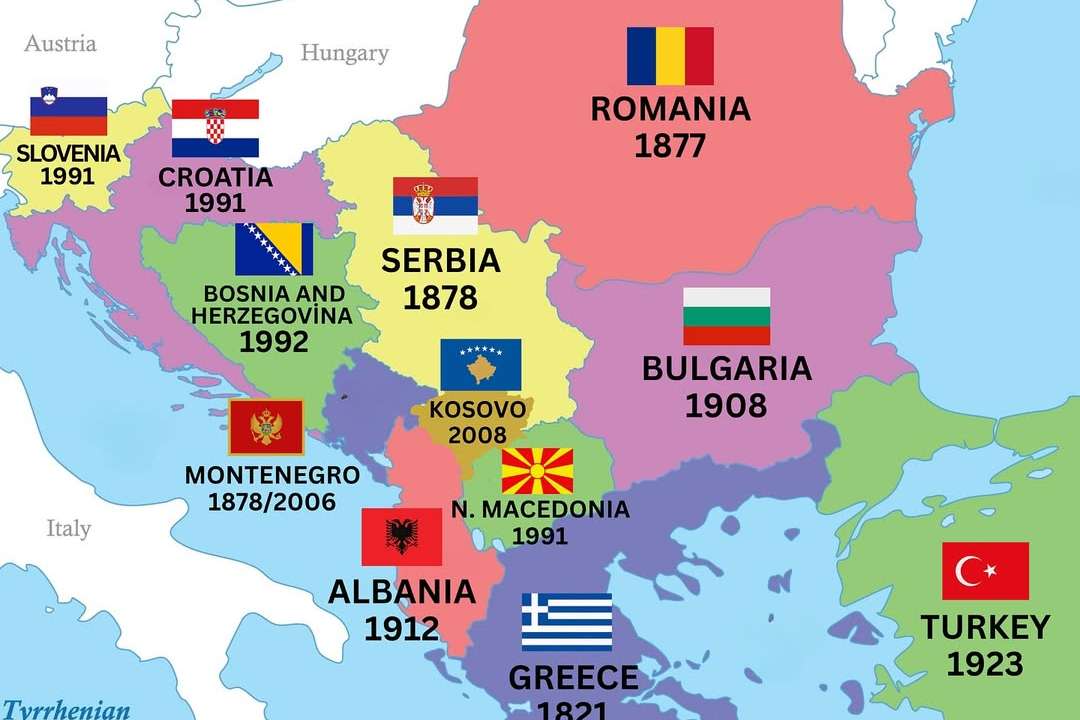
From the crumbling of empires to modern-day politics, the countries of the Balkan Peninsula each followed distinct paths to statehood, and the map above captures a slice of that story, showing when these nations formally gained independence.
Some declared sovereignty in the late 19th century, others only just broke away in the 2000s.
Take Bulgaria, for example: it formally proclaimed independence from the Ottoman Empire in 1908. Meanwhile, Albania did so in 1912.
Fast-forward to the early 21st century, and you’ll find Kosovo, which declared independence in 2008, still a subject of diplomatic contention today.
RECOMMENDED FOR YOU

France split into three nearly equal populations shows how unevenly the country is settled
Because these independence years reflect far more than calendar dates, they signal shifts in imperial control, the rise of nationalism, wartime upheaval and geopolitical gamesmanship.
As the United Nations notes, the 19th and early 20th centuries saw the Balkan region transition out of Ottoman rule into new political realities.
Today, the legacy of those decades echoes in the region’s push toward the European Union and beyond.
At the recent Brdo-Brijuni Process summit, leaders of Western Balkan nations emphasised their shared goal of European integration, a reminder that independence wasn’t always the final stop, but part of a broader journey.
This story is written and edited by the Global South World team, you can contact us here.