The missions that changed the course of WWII
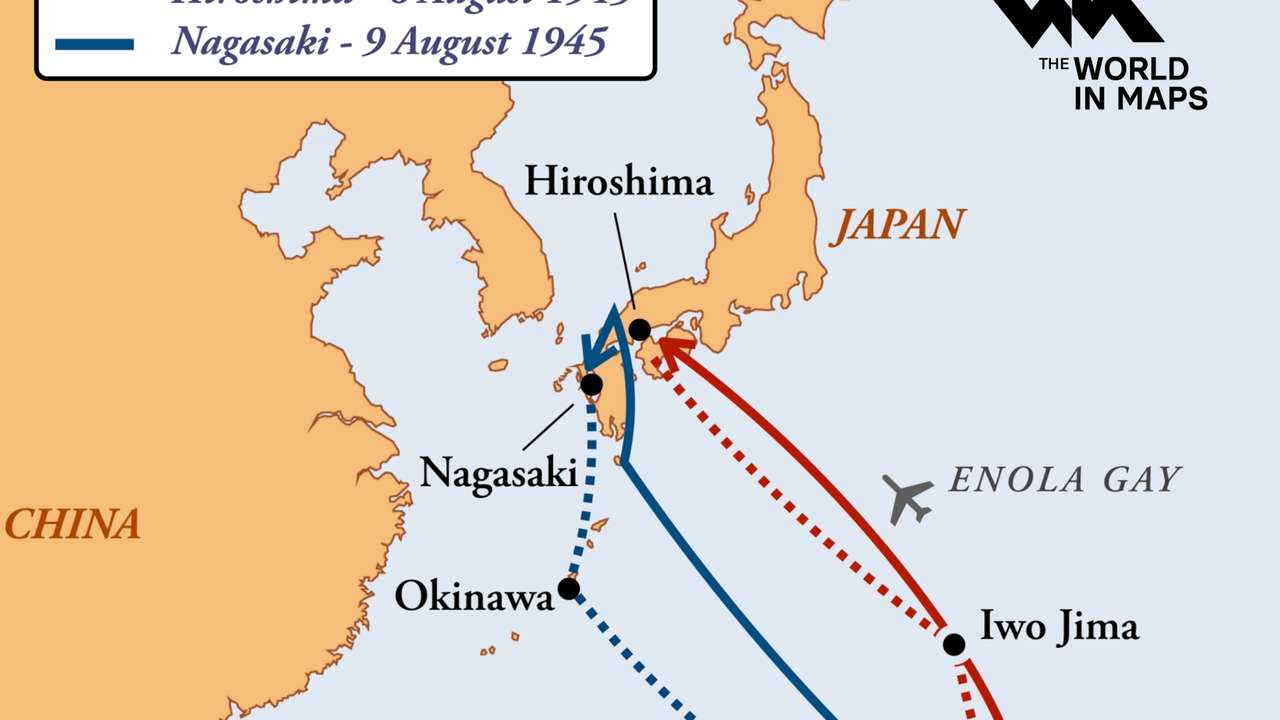
Eighty-one years after the first atomic bomb was used in warfare, the missions over Hiroshima and Nagasaki remain among the most consequential and contested military actions in modern history, killing tens of thousands of people immediately and exposing many more to burns, injuries and radiation.
Key Points
- U.S. atomic bombs struck Hiroshima and Nagasaki in August 1945
- Tens of thousands were killed in the initial explosions
- Japan surrendered days later, ending World War Two
Eighty-one years after the first atomic bomb was used in warfare, the missions over Hiroshima and Nagasaki remain among the most consequential and contested military actions in modern history, killing tens of thousands of people immediately and exposing many more to burns, injuries and radiation.
The two attacks were carried out by U.S. Army Air Forces B-29 bombers operating from Tinian in the Mariana Islands, roughly 2,500 km south-east of Japan. The National Archives says the bombings on Aug. 6 and Aug. 9, 1945, devastated the two Japanese cities and contributed to the end of World War Two.
The missions broadly correspond to the routes shown in the accompanying map, although the Nagasaki operation was more complicated than a direct Tinian-to-Nagasaki flight.
On Aug. 6, Colonel Paul Tibbets piloted the Enola Gay, a B-29 Superfortress assigned to the 509th Composite Group, from Tinian towards Hiroshima.
RECOMMENDED FOR YOU

More than 6 billion people are now online as global internet access reaches new high
The aircraft carried Little Boy, a uranium-based atomic bomb. At about 8:15 a.m. local time, the weapon was released over Hiroshima and detonated roughly 1,600 feet above the city, according to the National WWII Museum. The museum estimates that about 80,000 people died as a result of the initial explosion, while subsequent deaths from injuries and radiation pushed the toll higher.
The Smithsonian says the Enola Gay's weapon was the first atomic bomb used in combat. Its records describe Little Boy as a highly enriched uranium weapon using a gun-type design.
The destruction was immense. Smithsonian historical records cite U.S. estimates of 60,000 to 70,000 people killed or missing and about 140,000 injured in Hiroshima, illustrating why casualty figures can differ depending on the period and methodology used.
Three days later, on August 9, another B-29, Bockscar, left Tinian under the command of Major Charles Sweeney carrying Fat Man, a plutonium implosion bomb.
One important detail is missing from simplified maps of the mission. Nagasaki was the secondary target.
Bockscar initially flew towards Kokura, a major military-industrial centre on the Japanese island of Kyushu. Smoke and haze obscured the target, however, preventing the crew from making the required visual bombing run. The aircraft eventually diverted to Nagasaki.
The bomb was dropped at about 11 a.m.
The National WWII Museum estimates that roughly 40,000 people were killed by the initial detonation, with tens of thousands more dying later from injuries and radiation exposure. The city's terrain limited some of the blast effects, but areas around ground zero were devastated.
RECOMMENDED FOR YOU

Asia produces the largest share of global GDP
With fuel running dangerously low after the mission, Bockscar flew to Okinawa, where it landed before eventually returning to Tinian. That explains the Okinawa leg depicted on the map.
No nuclear weapon has been used in armed conflict since the attacks on Hiroshima and Nagasaki.
That distinction has made the two cities enduring symbols of the humanitarian consequences of nuclear warfare, while the decision to use the bombs continues to generate debate among historians over military necessity, alternatives available to U.S. policymakers and the factors that ultimately drove Japan to surrender.
This story is written and edited by the Global South World team, you can contact us here.