UN chief urges DRC and Rwanda to respect peace agreement
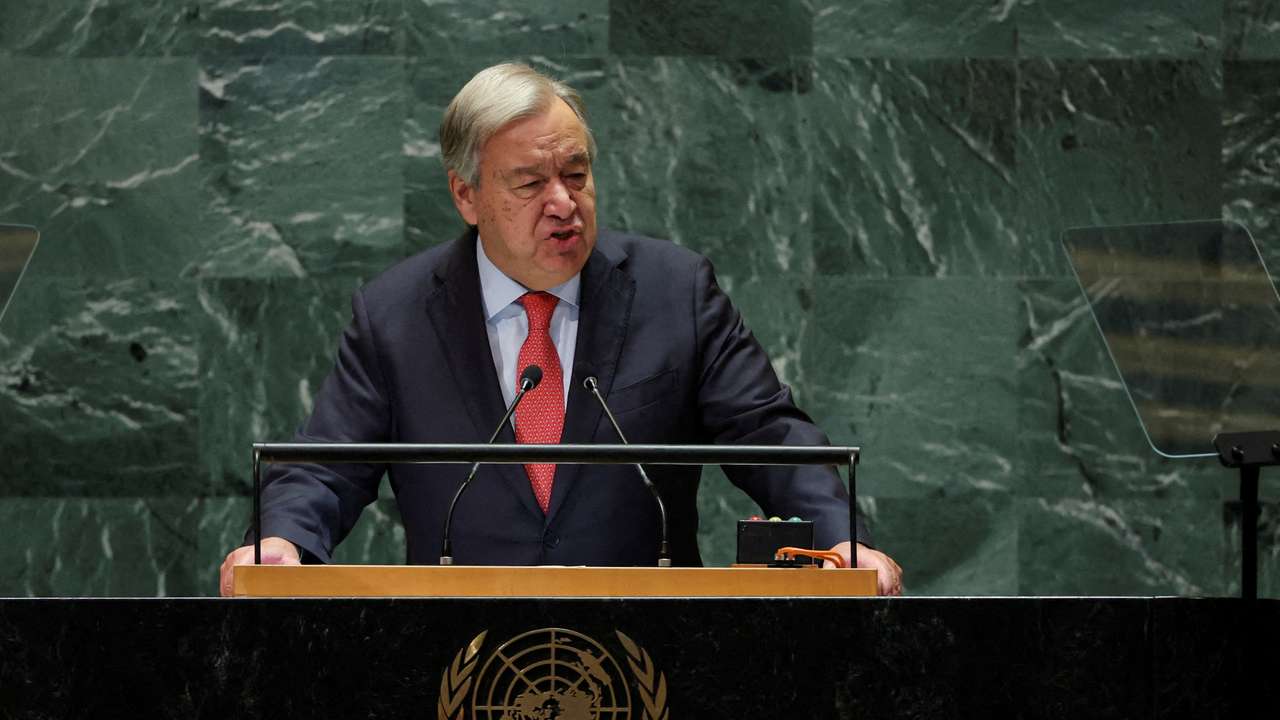
UN Secretary-General António Guterres has welcomed the peace agreement signed between the Democratic Republic of the Congo (DRC) and Rwanda, urging both nations to fully honour their commitments and cease hostilities.
The accord, signed in Washington, D.C. on June 27, aims to de-escalate the ongoing conflict in eastern DRC and stabilise the wider Great Lakes region.
“This agreement is a significant step toward de-escalation, peace, and stability,” Guterres said in a statement released by the UN. He commended the United States for its mediation, alongside efforts by Qatar, African Union mediator Faure Gnassingbé of Togo, and regional organisations such as the East African Community (EAC) and the Southern African Development Community (SADC).
The peace deal includes commitments to end state support for armed groups like the FDLR and M23, implement a ceasefire, establish a joint monitoring mechanism, and enable the voluntary return of displaced persons.
“With this peace agreement, we open a new chapter, one that calls not only for commitment, but for the courage to see it through,” said DRC Foreign Minister Therese Wagner.
RECOMMENDED FOR YOU
Six countries account for three-quarters of Europe’s unicorn startups
A summit between DRC President Félix Tshisekedi and Rwandan President Paul Kagame is planned for late July at the White House.
Guterres emphasised that the agreement must be implemented in full accordance with UN Security Council Resolution 2773 (2025), which calls for an immediate halt to violence and the resumption of diplomatic dialogue.
Eastern DRC has faced decades of conflict since the 1990s, with recent UN reports confirming Rwandan military support to M23 rebels, claims Rwanda denies. The fighting has displaced over 7 million people and left 27.8 million in need of humanitarian assistance, according to the UN Office for the International Organisation for Migration (IOM).
Despite the diplomatic progress, challenges remain with armed groups like the M23 still controlling territory, and a parallel negotiation process in Doha with M23 leaders is ongoing but not yet concluded.
Rwandan Foreign Minister Olivier, in a cautious tone, stated that, “We must acknowledge that there is a great deal of uncertainty in our region, and beyond, because many previous agreements have not been implemented,” he said. “And there is no doubt that the road ahead will not be easy.”
UNHCR head Filippo Grandi described the agreement as "a chance to stop the cycle of violence and displacement," while MONUSCO chief Bintou Keita warned that without swift implementation and international backing, hopes for lasting peace could falter.
"The path to peace demands shared responsibility and collective action," Keita told the UN Security Council on Friday.
This story is written and edited by the Global South World team, you can contact us here.
