Why Tinubu wants his FBI and DEA files kept secret
You know the past can return at the worst possible time. For Nigeria’s President Bola Ahmed Tinubu, that past is again at the centre of a political storm.
The controversy goes back to a Freedom of Information lawsuit filed in the United States by Aaron Greenspan, an American transparency activist and founder of PlainSite. In 2023, Greenspan sued several US federal agencies, including the FBI and the DEA, seeking records linked to a 1990s Chicago investigation into heroin trafficking and money laundering.
Tinubu’s name has long been associated with that case, though he was not indicted or convicted. In 1993, he forfeited about $460,000 to the US government after authorities alleged the money was linked to proceeds from narcotics trafficking. Tinubu has denied wrongdoing.
For years, Greenspan says US agencies responded with what is known as a Glomar response — neither confirming nor denying whether certain records existed. In 2024, the FBI began releasing some documents, but Greenspan argued they were heavily redacted and did not show Tinubu’s name.
RECOMMENDED FOR YOU

Nigeria's phantom agency exposes cracks in government oversight
He returned to court. The FBI said it was protecting the privacy of informants, associates and others connected to the records. But in 2025, a US judge ruled that parts of the agencies’ position were not plausible or reasonable, and ordered them to reconsider their redactions and stop relying on some Glomar responses.
The case has now taken another turn because Tinubu himself has entered the matter. His lawyers have asked the US District Court for the District of Columbia to block or restrict the release of unredacted FBI and DEA records, arguing that disclosure could violate his privacy rights.
That is where the legal question becomes political.
Tinubu is not an ordinary private citizen. He is the sitting president of Nigeria, Africa’s most populous country, and he is expected to seek re-election in 2027. His opponents argue that the records should be released because the public has a right to know what US law enforcement files say about him. His legal team argues that the existence of investigative records does not prove guilt and that privacy protections still apply.
The dispute has also drawn in Nigerian investigative journalist David Hundeyin, who has worked with Greenspan in seeking access to the files. For Tinubu’s critics, the case has become part of a wider argument about his political eligibility and credibility. For his supporters, it is an old allegation being revived for political purposes.
This is not the first time the controversy has followed Tinubu. During Nigeria’s 2023 election, opponents raised the same forfeiture case in an attempt to challenge his eligibility. The courts rejected the argument, and Tinubu went on to win the presidency.
Now, with another election approaching, the fight over his FBI files is back.
Click here for more episodes of World Reframed
RECOMMENDED FOR YOU
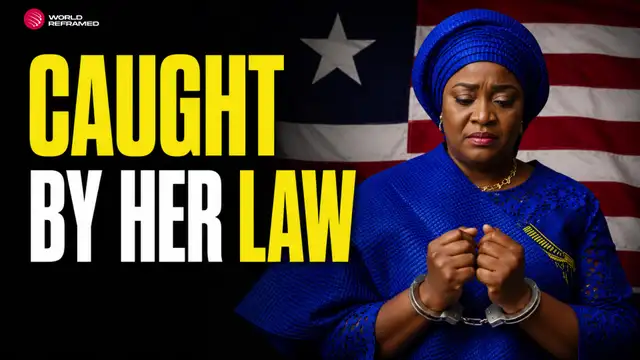
How a $317 million cocaine bust led to Liberia's former vice president's arrest
ISSN 2978-4891
This story is written and edited by the Global South World team, you can contact us here.
