US strikes Iranian targets in Syria -Pentagon
WASHINGTON (Reuters) -The U.S. military carried out strikes against two facilities in eastern Syria used by Iran's Islamic Revolutionary Guard Corps and groups it backs, the Pentagon said on Thursday, in response to a spate of attacks against U.S. forces in both Iraq and Syria.
As tensions soar over the Israel-Hamas conflict, U.S. and coalition troops have been attacked at least 19 times in Iraq and in Syria by Iran-backed forces in the past week.
A total of 21 U.S. forces have suffered minor injuries, the vast majority of them traumatic brain injuries.
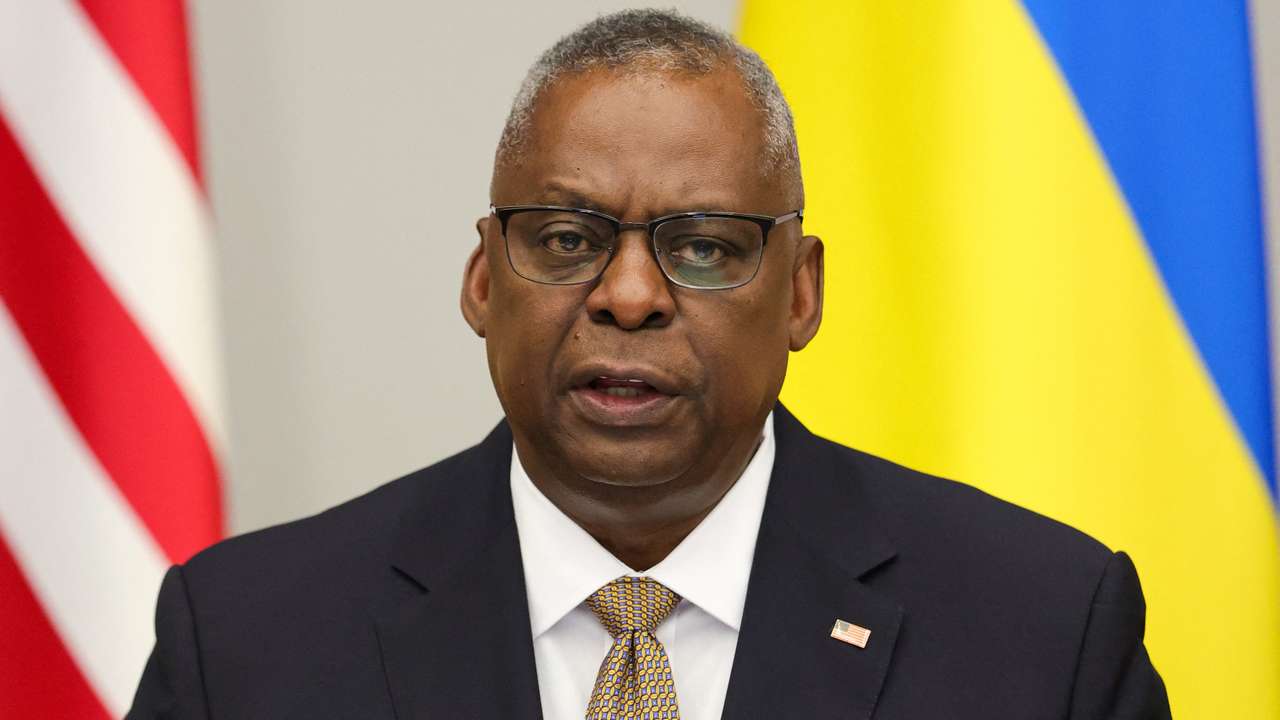
"These precision self-defense strikes are a response to a series of ongoing and mostly unsuccessful attacks against U.S. personnel in Iraq and Syria by Iranian-backed militia groups that began on October 17," U.S. Defense Secretary Lloyd Austin said in a statement.
RECOMMENDED FOR YOU

New Asia Forum: Indonesia to set out progress on sustainable AI data centres
The strikes were ordered by President Joe Biden.
"These Iranian-backed attacks against U.S. forces are unacceptable and must stop," Austin said in the statement.
"If attacks by Iran's proxies against U.S. forces continue, we will not hesitate to take further necessary measures to protect our people."
The strikes took place at roughly 4:30 a.m. on Friday in Syria (0130 GMT) near Abu Kamal, a Syrian town on the border with Iraq, and were carried out by two F-16 fighter jets using precision munitions, a senior U.S. official, speaking on the condition of anonymity, said.
The targets were weapons and munitions storage facilities, the official added, speaking late on Thursday to reporters in Washington.
The United States has occasionally carried out retaliatory strikes against Iranian-backed forces in the region after they attack American forces. In March, the U.S. military carried out multiple air strikes in Syria against Iran-aligned groups that it blamed for a drone attack that killed an American contractor.
President Biden has sent a rare message to Iranian Supreme Leader Ayatollah Ali Khamenei warning Tehran against targeting U.S. personnel in the Middle East, the White House said earlier on Thursday.
The United States has 900 troops in Syria, and 2,500 more in neighboring Iraq, on a mission to advise and assist local forces trying to prevent a resurgence of Islamic State, which in 2014 seized large swathes of both countries but was later defeated.
RECOMMENDED FOR YOU

Mudslides sweep away vehicles, flood homes in Chile's Santiago
There is growing concern that the Israel-Hamas conflict could spread through the Middle East and turn U.S. troops at isolated bases into targets.
"What we want is for Iran to take very specific actions, to direct its militias and proxies to stand down," a senior U.S. defense official said.
The United States did not coordinate the strikes with Israel, the official added.
Last week off the coast of Yemen, a U.S. warship shot down more than a dozen drones and four cruise missiles fired by Iranian-backed Houthis.
During a false alarm at Al-Asad air base in Iraq last week, a civilian contractor died from cardiac arrest.
The United States has sent warships and fighter aircraft to the region since the Israel-Hamas conflict erupted on Oct. 7, including two aircraft carriers, to try to deter Iran and Iran-backed groups. The number of troops added to the region is in the thousands.
Reuters reported this week the U.S. military was taking new measures to protect its Middle East forces during the ramp-up in attacks by suspected Iran-backed groups, and was leaving open the possibility of evacuating military families if needed.
The measures include increasing U.S. military patrols, restricting access to base facilities and boosting intelligence collection, including through drone and other surveillance operations, officials say.
RECOMMENDED FOR YOU

Women’s vote takes centre stage ahead of Brazil’s presidential run-off
This article was produced by Reuters news agency. It has not been edited by Global South World.