Quad ministers condemn April attack in Indian Kashmir without naming Pakistan
By Kanishka Singh
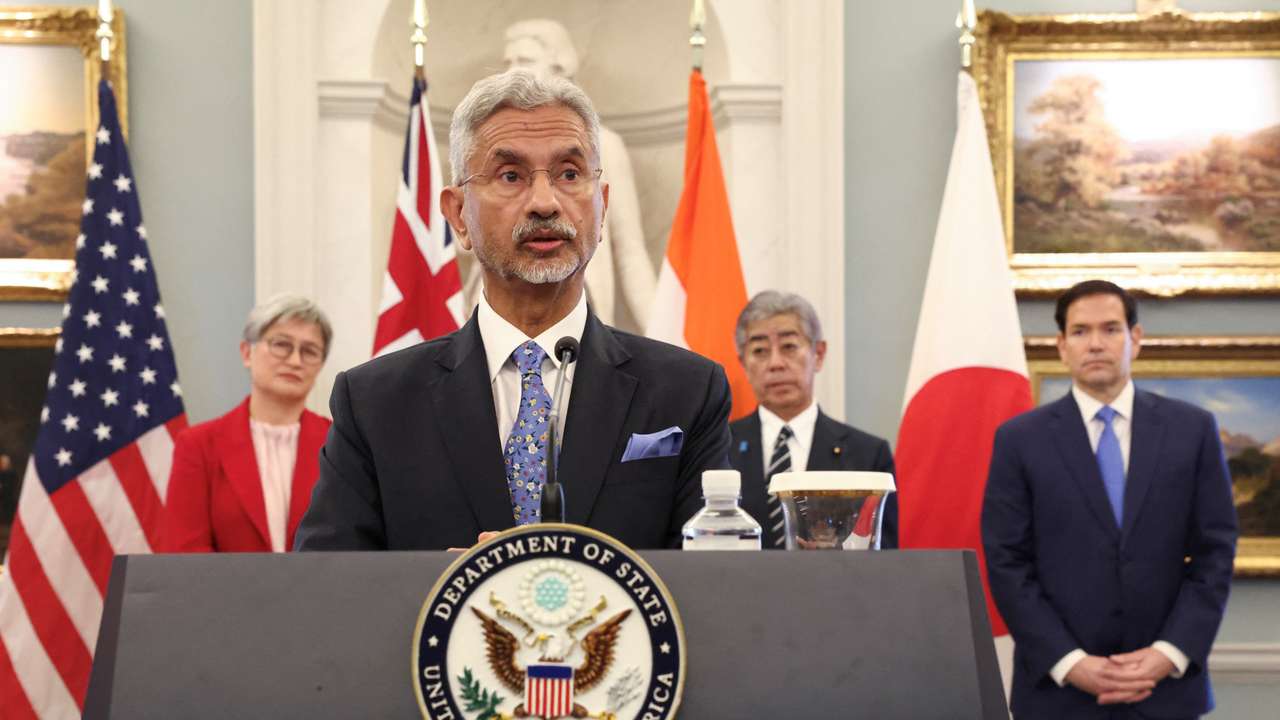
The Quad grouping of the United States, India, Japan and Australia called on Tuesday for the perpetrators of an Islamist militant attack that killed 26 in India-administered Kashmir to be brought to justice without delay.
The April 22 attack sparked heavy fighting between nuclear-armed India and Pakistan in the latest escalation of a decades-old rivalry as India blamed it on Pakistan, which denied responsibility while calling for a neutral investigation.
The U.S. State Department issued a joint statement by the foreign ministers of the grouping, who met in Washington, but stopped short of naming Pakistan or blaming Islamabad.
RECOMMENDED FOR YOU

Brazil's presidential election exposes challenge of ensuring equal treatment on Big Tech platforms: Opinion
"The Quad unequivocally condemns all acts of terrorism and violent extremism in all its forms and manifestations, including cross-border terrorism," the ministers said in the statement.
They called on all members of the United Nations to cooperate actively with "all relevant authorities" in delivering justice to the "perpetrators, organizers, and financiers of this reprehensible act", without any delay.
India is an increasingly important U.S. partner in Washington's effort to counter China's rising influence in Asia while Pakistan is a U.S. ally.
On May 7, Indian jets bombed sites across the border that New Delhi described as "terrorist infrastructure", setting off an exchange of attacks between the two countries by fighter jets, missiles, drones and artillery that killed dozens until a ceasefire on May 10.
The ceasefire was first announced by U.S. President Donald Trump on social media after Washington held talks with both sides, but India has differed with Trump's claims that it resulted from his intervention and threats to sever trade talks.
India's position has been that New Delhi and Islamabad must resolve their problems directly and with no outside involvement.
On Monday, India's foreign minister, Subrahmanyam Jaishankar, restated its position that trade was not a factor in the ceasefire.
"Relationships will never be free of issues," he said, referring to the United States, adding, "What matters is the ability to deal with it and to keep that trend going in the positive direction."
RECOMMENDED FOR YOU
‘Hamas could reach Paris’ - Netanyahu warns Macron amid France protests
This article was produced by Reuters news agency. It has not been edited by Global South World.