US to impose visa restrictions on officials, alleging ties to Cuban labor program
By Jasper Ward and Kanishka Singh
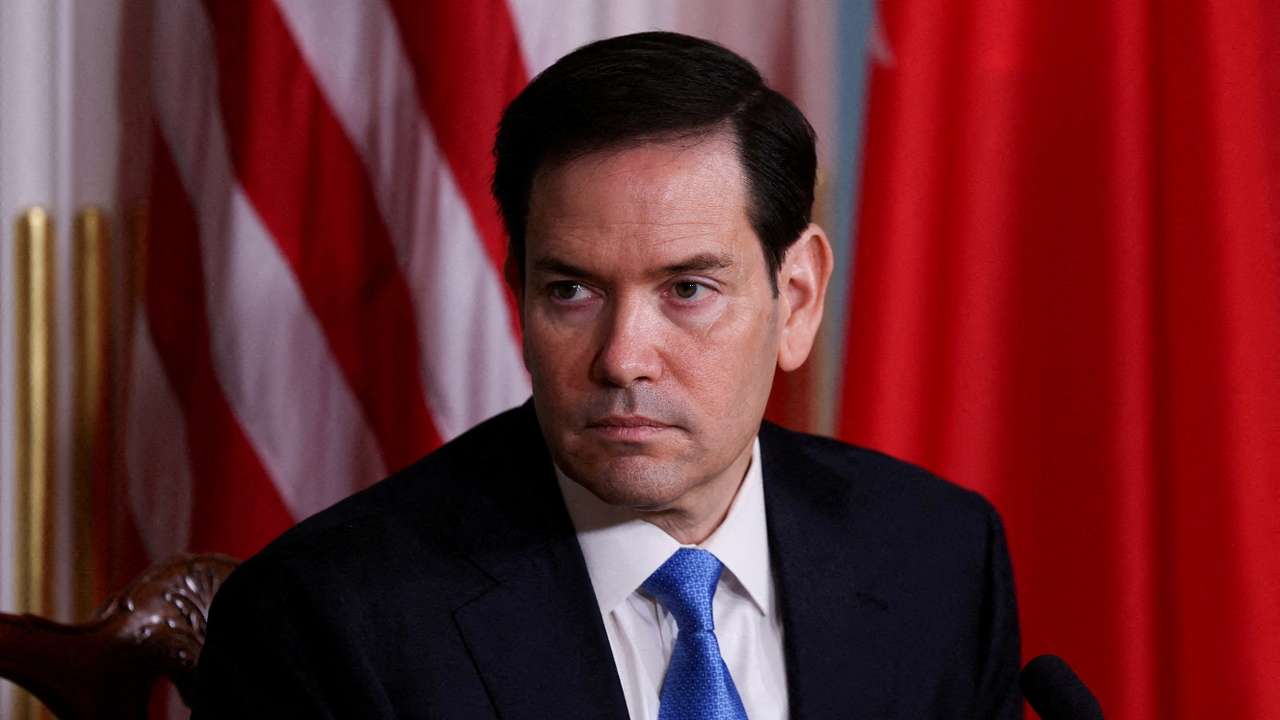
U.S. Secretary of State Marco Rubio on Wednesday took steps to revoke or restrict visas for some African, Caribbean and Brazilian officials who Washington alleges have ties to a Cuban program that sends medical workers overseas.
The State Department revoked the visas of Brazilian Ministry of Health official Mozart Julio Tabosa Sales and former Pan American Health Organization official Alberto Kleiman, Rubio said in a statement.
Rubio did not name other officials who were affected but said they were from Africa, Cuba and Grenada.
RECOMMENDED FOR YOU

Norway has Europe’s highest petrol prices, Russia and Belarus remain cheapest
The Cuban government has blasted U.S. efforts to stop the medical missions, calling them a cynical excuse to go after its foreign currency earnings.
Caribbean leaders have previously rejected U.S. accusations of Cuban labor exploitation.
"Cuba's medical cooperation will continue," Johana Tablada, Cuba's deputy director of U.S. affairs, said on X. "His (Rubio's) priorities speak volumes: financing Israel genocide on Palestine, torturing Cuba, going after health care services for those who need them most," Tablada wrote.
Brazilian Health Minister Alexandre Padilha said his government will not bow to what he called "unreasonable attacks" on Brazil's Mais Medicos, or "More Doctors," program mentioned by Rubio. The program was created in 2013. Cuba's contract in it was terminated in 2018.
President Donald Trump's administration in February expanded visa restrictions to target officials believed to be tied to the Cuban program, which has sent medics around the world since the Cuban revolution in 1959. The program provides hard cash to the island nation, which is enduring its latest economic crisis.
Trump has imposed a hard-line policy toward communist-run Cuba and reversed former President Joe Biden's measures.
Rubio labeled the Cuban program as one where "medical professionals are 'rented' by other countries at high prices and most of the revenue is kept by the Cuban authorities." He said it enriches Cuban officials and deprives Cuban people of essential medical care.
Washington will act "to bring an end to such forced labor," Rubio said, urging governments to pay doctors directly for their services.
RECOMMENDED FOR YOU

Ugandan queen mother claims house arrest amid Tooro succession dispute
In announcing restrictions on Brazil and ex-PAHO officials, Rubio accused the branch of the World Health Organization covering Caribbean, Central and South America of acting as an intermediary to implement the program without following Brazilian constitutional requirements, and dodging U.S. sanctions.
This article was produced by Reuters news agency. It has not been edited by Global South World.