What does Zimbabwe’s gender equality overhaul mean for Africa?

Zimbabwe has launched a new national system to monitor gender equality, replacing a patchwork of outdated and inconsistent data collection methods.
The move marks a major shift in how the country plans and tracks progress on women's rights and empowerment.
The system, adopted last week after wide consultation, is the first of its kind in Zimbabwe.
It brings together all the country’s gender-related goals under one national framework. Officials say the goal is to make better decisions by using accurate and consistent data.
For years, Zimbabwe struggled with poor gender statistics.
RECOMMENDED FOR YOU
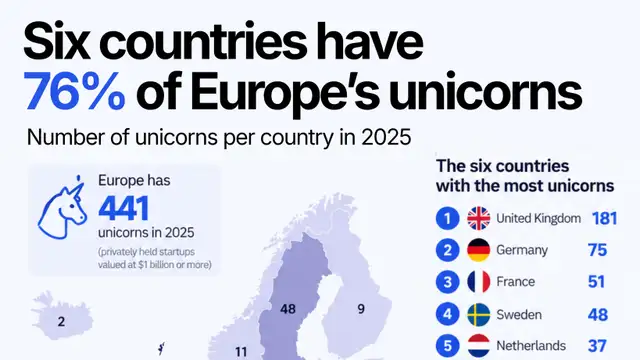
Six countries account for three-quarters of Europe’s unicorn startups
Ministries often submitted incomplete reports shortly before deadlines, making it hard for the government to understand real progress in areas such as land ownership, access to education, and women’s role in the economy.
The new system will measure gender gaps in six main areas: economic resources, health, education, human rights, political participation, and the environment.
These indicators are based on global and African gender equality standards but adjusted to fit Zimbabwe’s local context.
The country’s statistics agency, ZIMSTAT, will lead the data collection, working with other ministries. Officials aim to set a national baseline by August. The first gender equality report is expected in early 2026.
The project was developed with help from the UN Economic Commission for Africa. A joint oversight team made up of government agencies, civil society, and international experts will track progress and guide improvements.
Zimbabwe now joins a growing number of African countries investing in detailed, long-term systems to monitor gender equality.