What World Humanitarian Day should mean for Africa: Opinion
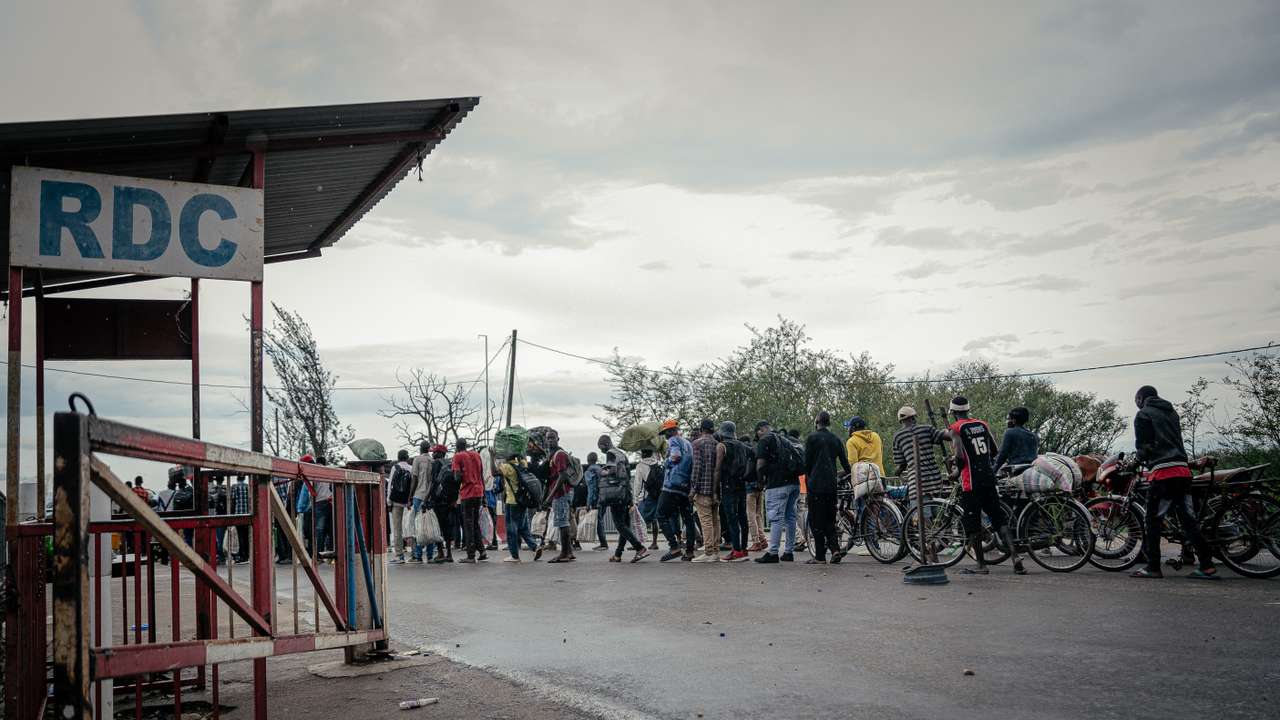
It is appalling that hundreds of aid workers are killed while trying to help those who need help the most.
According to the Aid Worker Security Database, more than 700 major attacks on humanitarian workers were reported in 2025 alone, while over 1000 have been killed in the last three years. Most of these fatalities occur in conflict zones like Sudan, Gaza and the Democratic Republic of Congo (DRC), highlighting the need to strengthen humanitarian protection in volatile environments.
Attacks on aid workers are similarly prevalent in Yemen, West Africa and Lebanon, where UN staff have reportedly been targeted.
Responders are increasingly caught in the crossfire. The adoption of modern technology has made protection of innocent people even more difficult. Drones, in particular, have claimed many who dedicate their lives to serving the underprivileged.
The United Nations Human Rights Office (OHCHR) reveals that in Sudan, drones account for at least 80% of civilian deaths in 2026, as seen in the May 8 strikes that killed 26 people in South Kordofan and North Kordofan.
RECOMMENDED FOR YOU

10 years after Paola Buenrostro was killed, activists say justice is still being denied
This dynamic complicates the safety of service providers.
In a statement, the United Nations High Commissioner for Human Rights, Volker Türk, says he is “outraged that attacks on humanitarians are happening more and more often.”
“Throughout my long career at the United Nations, I could never have imagined a time when my colleagues would be targeted for violence,” he adds.
The growing rate of attacks on local humanitarian workers is also worth noting. For instance, of the 350 aid workers killed in 2025, 349 were local staff. These are not merely numbers or collateral damage – they are real human beings, heroes and heroines who deserve appreciation, not death in the line of duty.
When serving the vulnerable becomes a death sentence, it does not further the cause of peace. Rather, it dampens the spirit of empathy – the binding human bond that requires us to be each other’s keeper – and it fuels the wanton disregard of international law.
“Families are left without aid, children go without food, patients are unable to access healthcare, and others are placed in harm’s way,” says Türk.
In other words, when aid workers are threatened, it prolongs the instability and worsens the suffering of innocent civilians. Ultimately, this situation tightens the noose of poverty and widens inequalities.
These problems aren’t a preserve of those in conflict zones. Gradually, they transform into global challenges, affecting us all.
RECOMMENDED FOR YOU
3,000 athletes are in Kyrgyzstan for the World Nomad Games — But this sport could steal the show
In Africa, national humanitarians are even more vulnerable. On top of being inequitably remunerated – partly on account of funding cuts – they are more susceptible to attacks, especially in armed conflict situations. Take the Central African Republic, where UNICEF staff and local education workers have been targeted.
These scenarios call for a concerted effort by governments and international players to hold the perpetrators of these atrocities accountable.
Considering that some of the deadliest conflicts are in Africa, regional bodies like the African Union must operationalise existing legal frameworks such as the Kampala Convention, which demands that state parties desist from attacking and harming humanitarian personnel “deployed for the assistance or benefit of internally displaced persons.”
Such protection could be broadened to include personnel operating with refugee populations.
In Africa, where a large number of the displaced live, the reality of the crisis is felt on the ground. It is the Ugandan or Congolese volunteer who stays when the guns are blazing, driven by the desire to save lives.
If World Humanitarian Day is to mean anything for these extraordinary sacrifices, it should translate to improved protection and better pay.
RECOMMENDED FOR YOU
Six countries account for three-quarters of Europe’s unicorn startups
The article solely represents the views of Simpson Muhwezi, a Ugandan freelance writer and development practitioner.
