Why Uganda wants to ban second-hand clothing
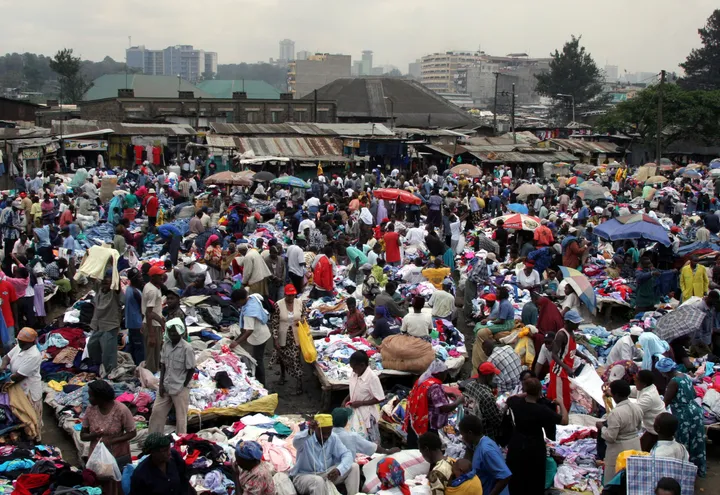
Ugandan President Yoweri Museveni has declared war on second-hand clothes to promote African wear.
Uganda intends to implement the ban on second-hand clothing in January 2024. "The government is ready to give investors incentives such as tax holidays to ensure we process our cotton into new garments to cover the market demands," said Uganda's state minister for trade, David Bahati in an interview with AFP.
There has been a public outcry in Uganda over the potential ban as the majority of the Ugandan population wears second-hand clothing and relies on selling them for livelihood.
According to a 2017 study by the US government's aid agency, USAID, East Africa including Uganda imports about an eighth of the world's used clothing providing jobs for some 355,000 people who earn $230 million a year.
This is not the first time the government has sought to ban second-hand imports. In 2016, President Museveni announced Uganda’s intentions to ban used clothing as part of an East African initiative. The ban was not implemented due to opposition by the Kampala City Traders Association, local media Monitor reported.
RECOMMENDED FOR YOU
Six countries account for three-quarters of Europe’s unicorn startups
As part of the East African United Front initiative that sought to protect the domestic textile industry, Rwanda imposed steep taxes on used clothing in 2016 to pave the way for the ban from 2017 to 2019, while Zimbabwe implemented its ban in 2015.
In 2023, Uganda is revisiting the issue of banning second-hand imports. "These clothes are from the dead in a foreign country. When a white (person) dies, the clothes are sent to Africa," President Museveni said in August this year.
Uganda’s state minister for trade said in an interview with AFP that the ban is a question of "dignity". “If the proposed ban goes ahead, we will be able to replace these second-hand clothes," he clarified.
Second-hand import in Uganda stifles the development of local textile industries and undermines Uganda’s ability to climb the value chain of the cotton and textile industry because secondhand clothing continues to swamp the market.
“We have people here who produce new clothes but they cannot infiltrate the market,” Museveni said at a ceremony of nine factories in Mbale city.
According to Uganda’s central bank, the country is a significant producer of cotton with the value of its cotton exports ranging between $26-76 million annually.
The government argues that the potential ban aims at protecting the local textile industry.
Will these reasons be enough for Uganda to implement the ban in January and how long can the country maintain it?
RECOMMENDED FOR YOU

Madagascar Roundup: Child food poverty hits 77%, growth rebound forecast for 2027 and northern risk mapping begins