World food prices rise for third straight month in May, UN says
World food prices rise for third straight month in May, UN says
By Maytaal Angel
The United Nations world food price index rose for a third consecutive month in May, as higher cereals and dairy product prices outweighed drops in prices for sugar and vegetable oils.
The U.N. Food and Agriculture Organization's price index, which tracks the most globally traded food commodities, averaged 120.4 points in May, up 0.9% from its revised April level, the FAO said on Friday.
RECOMMENDED FOR YOU

‘Hamas could reach Paris’ - Netanyahu warns Macron amid France protests
The May reading was nonetheless 3.4% below the level seen a year earlier.
The FAO index hit a three-year low in February as food prices continued to ease off from a record peak set in March 2022, following Russia's invasion of fellow crop export major Ukraine.
The uptick in May was supported by cereal prices rising 6.3% month-on-month amid growing concerns about unfavourable crop conditions curbing 2024 harvests in key producing areas like northern America, Europe and the Black Sea region.
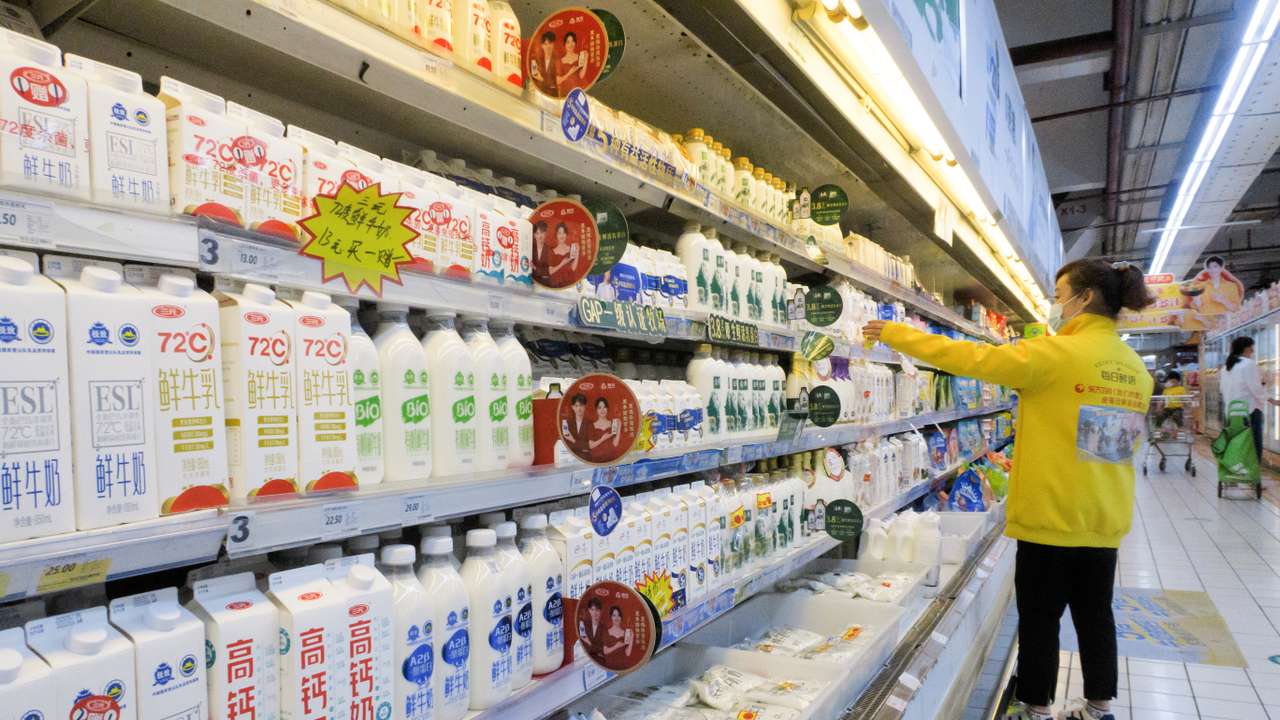
Dairy prices increased 1.8% in May from April, the FAO said, underpinned by increased product demand ahead of the summer holidays amid worries that milk production in western Europe may fall.
The FAO's May sugar index fell sharply, decreasing 7.5% on a monthly basis, as a good start to the new harvest in top producer Brazil got underway. Vegetable oil prices declined 2.4% for the month, as palm oil quotations fell amid rising seasonal output.
In a separate report on cereals supply and demand, the FAO forecast 2024/25 world cereal production at 2.846 billion metric tons, roughly on a par with 2023/24's record output, as barley, rice and sorghum output is seen increasing, offsetting declines in maize and wheat.
The FAO warned, however, that the "recent adverse weather conditions in the Black Sea region will likely result in a downgrade in world wheat production, a possibility not yet reflected in the forecast".
World cereal utilisation in 2024/25 was seen increasing 0.5% year-on-year to a new record high of 2.851 billion tons, the FAO said. World cereal stocks will likely increase 1.5% from their opening levels to a record 897 million tons, it added.
RECOMMENDED FOR YOU

Brazil's presidential election exposes challenge of ensuring equal treatment on Big Tech platforms: Opinion
This article was produced by Reuters news agency. It has not been edited by Global South World.