China maintains defence spending increase at 7.2% amid roiling geopolitical tensions
By Laurie Chen and Greg Torode
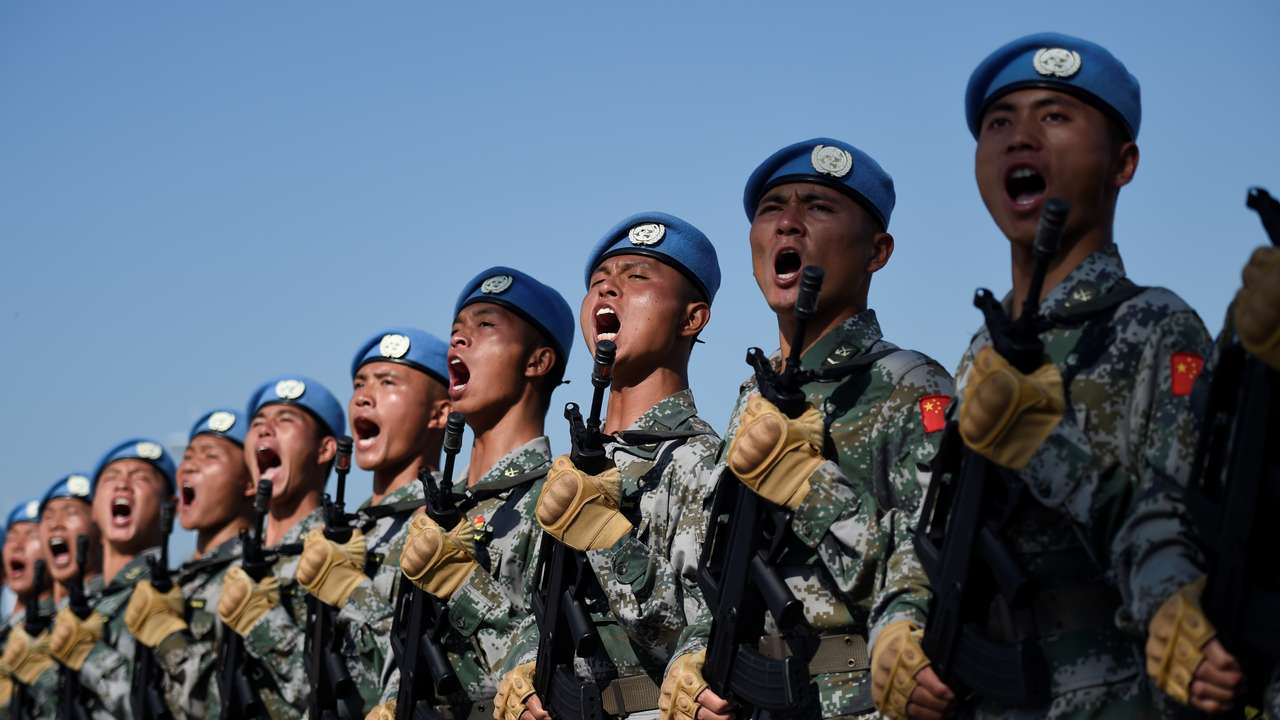
China will boost its defence spending by 7.2% this year, maintaining a steady growth rate as Beijing faces headwinds from three years of sluggish economic expansion amid mounting geopolitical challenges from Taiwan to Ukraine.
The increase, announced on Wednesday in a government report due to be released in parliament, matches last year's figure.
It remains well above China's economic growth target for this year of roughly 5% - which analysts say was expected and reflected Beijing's ambitions for continued military modernisation amid roiling geopolitical challenges.
RECOMMENDED FOR YOU
The war in Iran is still ongoing: how much more can the global economy take?
Since Xi became president and commander-in-chief more than a decade ago, the defence budget has ballooned to 1.78 trillion yuan ($245.65 billion) this year from 720 billion yuan in 2013.
Xi aims to complete full military modernisation by 2035, with China's military developing new missiles, ships, submarines and surveillance technologies.
This year's report continues to stress the importance of combat readiness and scientific and strategic improvements but also pledges to "continue improving the political conduct of the military" - an apparent reference to numerous corruption scandals affecting the People's Liberation Army (PLA).
Two former defence ministers and a Central Military Commission member have been among those removed in the last two years.
Regional military attaches are closely watching the budget and the report, with some noting that the combat readiness references will mean further intense drills and deployments around Taiwan and across the wider region.
Chinese naval ships staged an unprecedented live-fire drill in the Tasman Sea in February, forcing commercial aircraft to be diverted.
The London-based International Institute for Strategic Studies noted in a survey in February of the world's militaries that given China's wider economic constraints, "authorities face increasingly sharp questions about which areas to prioritise".
China remains the world's second-biggest military spender behind the United States, whose proposed military budget for 2025 is $850 billion.
RECOMMENDED FOR YOU

At 80, Lula aims for another election win in Brazil
Taiwan-based security analyst Wen-Ti Sung said Beijing was eager to project stability with moderate language and stable defence budgeting, even as it grew in strength, in contrast with the United States under new President Donald Trump.
"Beijing is trying to make acceptance of China as the relatively more predictable superpower easy as possible for others," said Sung, a non-resident fellow at the Atlantic Council.
This article was produced by Reuters news agency. It has not been edited by Global South World.